Pipe Relining FAQs
Get answers to the most common questions about pipe relining in Sydney.
General Information
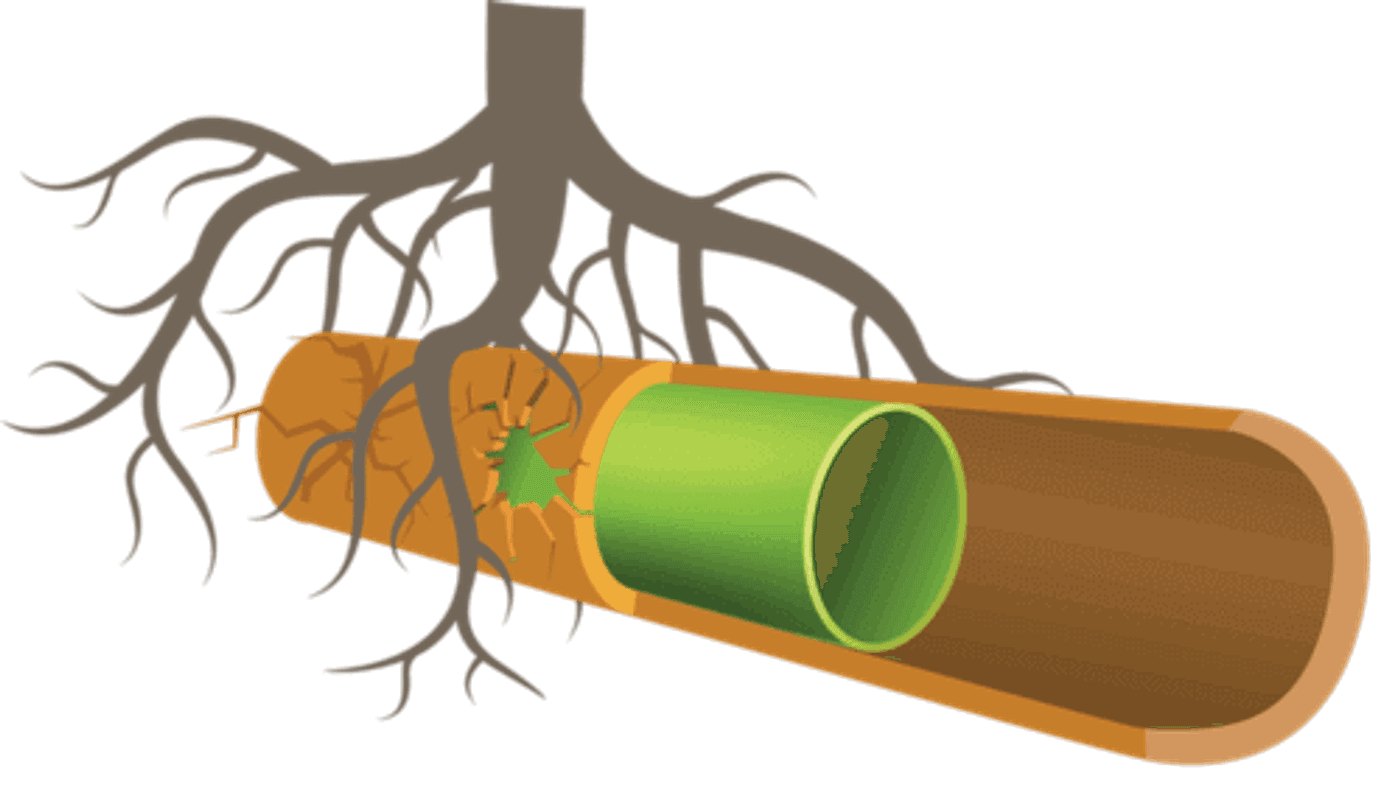
Pipe relining is a trenchless pipe repair method that fixes damaged pipes without full excavation. The process involves inspecting the line, cleaning and preparing it, then installing and curing a liner inside the existing pipe through an available access point. That creates a durable new internal pipe wall when the line is suitable for relining.
Pipe relining can be used across many sewer, stormwater, and drainage lines in residential, strata, and commercial settings. The final answer depends on the CCTV findings, including the pipe condition, diameter, bends, junctions, and access points available on site.
Pipe relining can work across many common pipe materials, but the material alone does not decide suitability. The CCTV footage, the shape of the line, the damaged section, and the access available are what confirm whether the pipe can be restored from within.
Some pipes with bends and junctions can be relined, but the exact layout needs to be checked on CCTV first. The camera shows whether the bends, junctions, and access points still allow the line to be prepared and lined safely.
Cost & Pricing
Pipe relining cost depends on pipe length, diameter, access, cleaning requirements, junction work, and what the CCTV shows. P24 inspects the line first, then provides a written quote for the repair scope discussed.
Several factors influence the cost: (1) Pipe length - longer pipes require more materials and labour, (2) Pipe diameter - larger pipes cost more, (3) Accessibility - hard-to-reach pipes may require additional work, (4) Extent of damage - severely damaged pipes may need more preparation, (5) Number of junctions - multiple connection points add complexity, and (6) Property type - commercial jobs may require additional planning and materials.
Pipe relining can be more cost-effective than excavation when the pipe is still suitable for trenchless repair, especially where replacement would also require surface restoration. The actual comparison depends on the line condition, access, and how much of the property would need to be opened to replace the damaged section.
Once the inspection and scope are clear, P24 provides a written quote for the work discussed. The quote explains the repair scope, the preparation required, and the handover documentation relevant to the completed relining work.
Process & Timeline
Timing depends on the pipe length, diameter, access, cleaning, curing method, and whether the job is residential, strata, or commercial. P24 explains the expected programme after the line has been inspected and the repair scope is clear.
Step 1: CCTV camera inspection to diagnose the problem. Step 2: Clean and prepare the line. Step 3: Measure and prepare the liner. Step 4: Install the liner through the available access point. Step 5: Cure the liner in place. Step 6: Carry out a final verification check. Step 7: Provide the completed work details and warranty documentation.
The affected drains usually cannot be used during the active relining stage. P24 explains the access window, likely downtime, and when the line can go back into service once the job timing and scope are confirmed.
Pipe relining is designed to use existing access points and avoid opening the full pipe run, which is why it is often chosen under driveways, gardens, and finished surfaces. Some jobs still need limited excavation if a section is collapsed or inaccessible, but the CCTV inspection shows that before the repair path is approved.
Durability & Warranty
Pipe relining is designed as a long-term repair. The final lifespan depends on the pipe condition, installation quality, and the operating environment around the line.
P24 provides a 25-year warranty on eligible pipe relining work. The quote and handover documents explain which repaired section is covered.
Pipe relining creates a durable, jointless pipe within the existing line and is often chosen as a long-term repair where the pipe still suits trenchless restoration. The right comparison still depends on the existing line condition and what the CCTV shows.
Pipe relining removes the failed joints and cracks that roots usually exploit, which is one of the main reasons it is considered after recurring root intrusion. The final result still depends on the condition of the line and whether the damaged section is suitable for relining in the first place.
Problems & Solutions
Pipe relining is often used for cracked pipes, root intrusion, failed joints, corrosion, wear, and other structural drainage faults where the CCTV shows the line still has enough shape to be restored from within. If the pipe is fully collapsed or unsuitable, another repair path may be needed.
Common signs include recurring blocked drains, slow drainage, gurgling sounds, sewage odours, wet ground near the pipe run, or CCTV footage showing cracks, root intrusion, failed joints, or deterioration. The camera inspection is what confirms whether the line actually suits relining.
Unfortunately, no. Pipe relining requires the existing pipe to maintain its basic structure so the liner can be inserted. If a pipe has completely collapsed, we may need to partially excavate to repair the collapsed section, then reline the remaining pipe. However, this is still much less disruptive and expensive than complete pipe replacement.
If a blockage returns after relining, the first step is to work out whether it relates to the relined section or to another part of the system. P24 explains the warranty scope during quoting and handover so the covered work and the next response are both clear.
Comparisons
Pipe relining is often the better option when the damaged line still suits trenchless repair and the property would be costly or disruptive to excavate. Pipe replacement is still the better path for some collapsed or unsuitable lines. The right answer depends on what the CCTV shows, not on a blanket rule.
Pipe relining can suit commercial properties when the damaged line still holds enough shape and the site has workable access. P24 can plan staged or after-hours work around tenants and operations, but the final method and timing depend on the CCTV findings and site requirements.
Still have a question about the line?
Call P24 or send the suburb, symptoms, and any CCTV findings you already have.
Call to discuss the issue and the next inspection or repair step.