Bahaa Dandan
5/5 on Google · April 2025
Great quick service amazing people thanks khoder and the team cheers
Sydney service area
Local trenchless repair
Commercial pipe relining for strata buildings, shared drainage, hospitals, schools, and active sites across Sydney, planned around CCTV findings, access windows, and staged works.
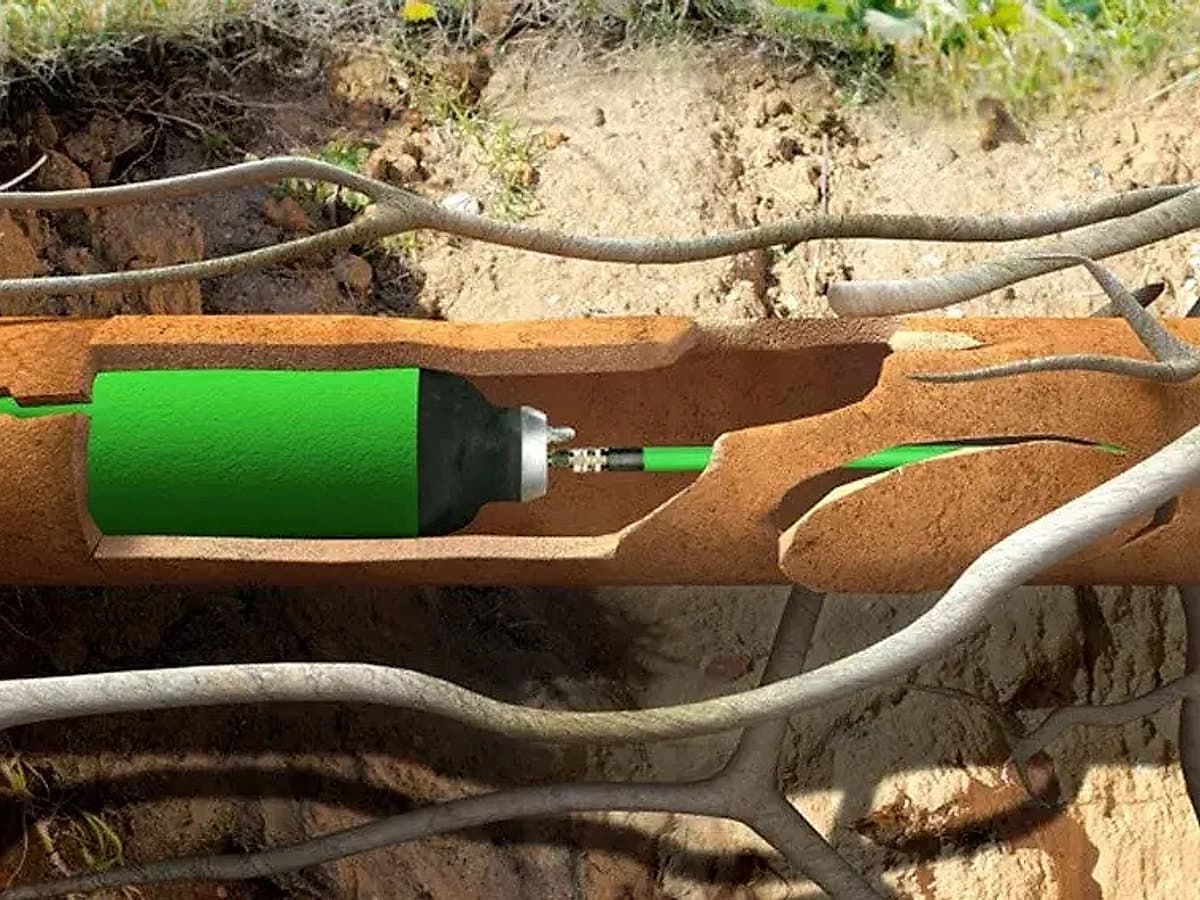
Commercial pipe relining Sydney is used where a damaged line needs repair but the site cannot be treated like a simple single-household job. Shared drainage, common property access, occupied buildings, trading hours, and stakeholder approval all affect how the work needs to be planned.
When CCTV shows the pipe is suitable, trenchless relining can restore the line from within and reduce the disruption that usually comes with excavation through car parks, slabs, landscaped areas, pathways, and common spaces. That makes it a practical repair path for strata buildings and commercial sites that need both technical accuracy and clear coordination.
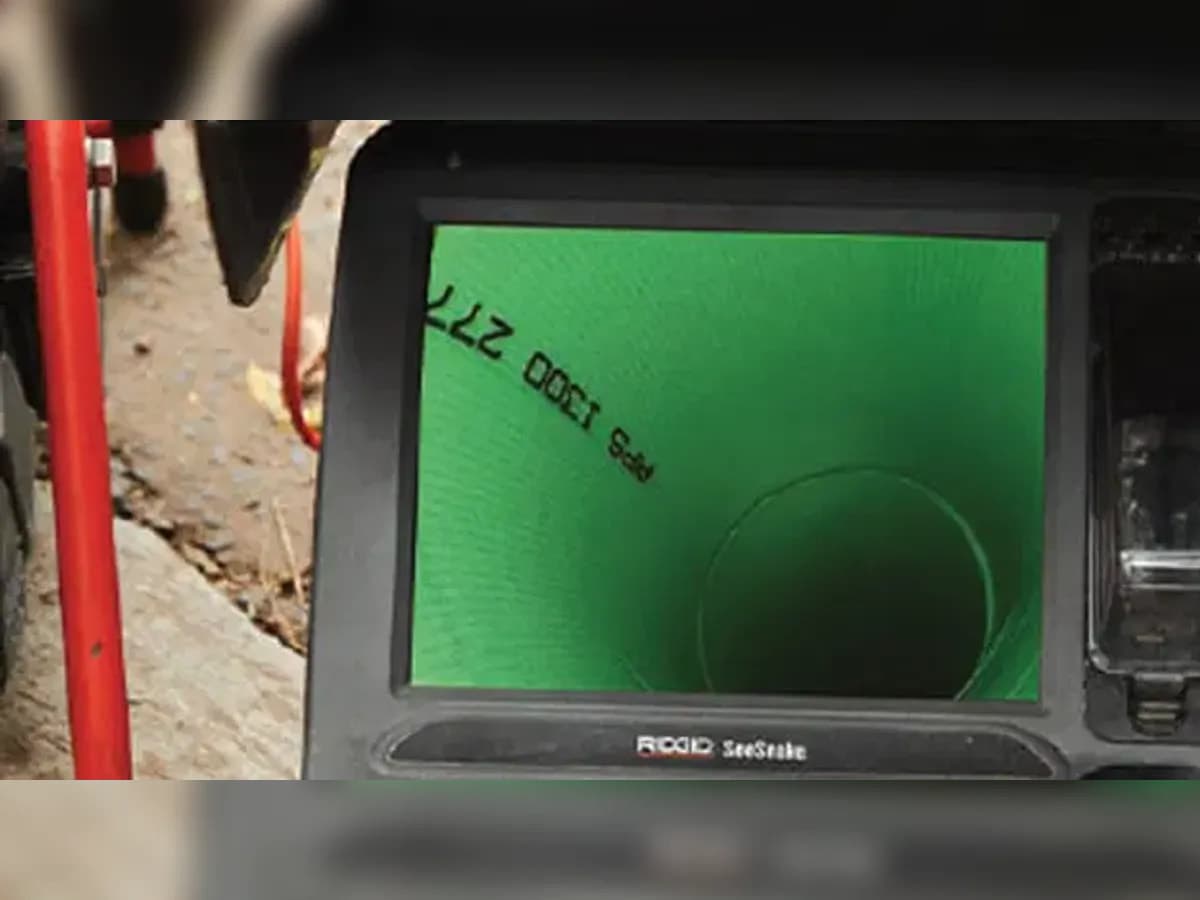
CCTV
Led Site Scope
These jobs usually involve shared access, multiple stakeholders, and a property that still needs to keep operating while the repair is carried out.
Useful where common lines, boundary drainage, stacks, or shared sewer runs need repair without opening large sections of common property.
Useful where the drainage repair has to fit around essential operations, staff movement, and access windows rather than a simple open site.
Useful where facilities teams need a repair path that works around tenants, trading activity, or building services.
Useful where the damaged line sits under slabs, pathways, driveways, loading areas, or landscaped common spaces.
The job often starts with a recurring drainage problem, then CCTV shows the line is damaged and needs more than another temporary fix.
When the same shared drain keeps blocking, the cause is often more than surface buildup alone. CCTV can show whether the problem is actually in the pipe.
Commercial and strata lines often age under constant use. Once the camera shows cracking, failed joints, or structural wear, relining becomes the repair conversation.
Root intrusion in common lines can keep causing repeat problems until the damaged entry points are repaired rather than cleaned over and over.
When the pipe sits below concrete, paving, driveways, car parks, or landscaped common areas, trenchless repair can be a far better fit than open excavation.
On commercial and strata sites, the repair method matters, but so do the scope, sequencing, and handover details around it.
Decision-makers need to know what the camera found, where the problem sits, and whether the line is actually suitable for relining.
See CCTV inspectionsThe repair often has to move around access windows, common areas, occupied spaces, and the way the site operates during the job.
The handover needs to show what was approved, what was repaired, and what documentation belongs with the completed work.
Keeping common areas, pathways, landscaping, and building surfaces intact is often one of the main reasons the site looks at trenchless repair in the first place.
These projects show how commercial and strata pipe relining works when access, staging, and operational continuity all matter.
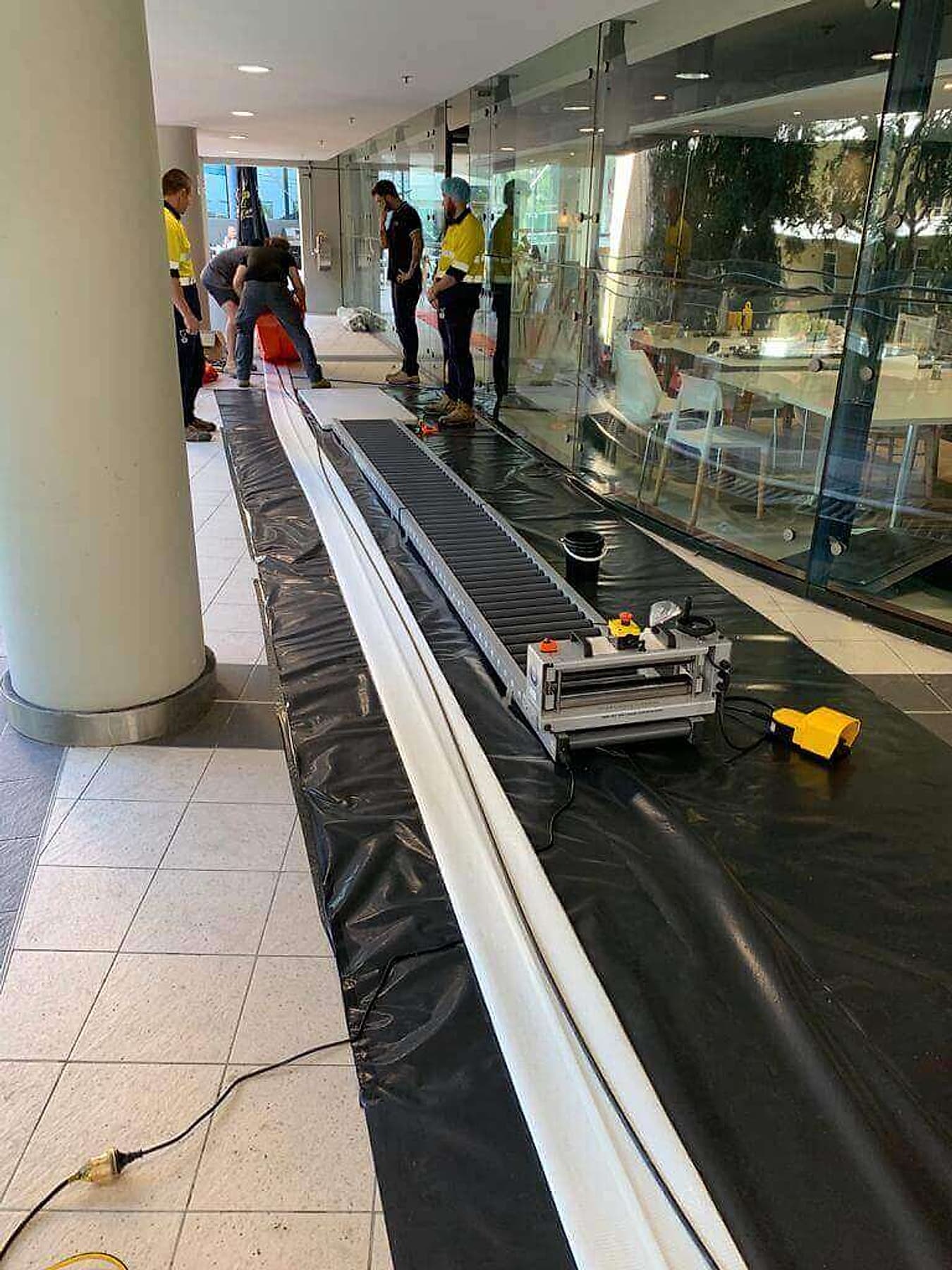
P24 repaired the damaged cast-iron stormwater system serving the Royal Prince Alfred Hospital roof, working across multiple levels while the hospital remained operational.
The hospital's 225mm cast iron stormwater pipe had sustained significant cracking and breaks throughout its length, spanning multiple hospital levels. The damaged pipe posed a flooding risk to critical areas including the ICU ward, requiring immediate intervention without disrupting hospital operations.
The team relined the damaged sections without excavating through the hospital. The stormwater system was restored while the hospital remained operational and patient areas stayed protected from the work.
Google reviews
4.9/5 from 35 reviews
Bahaa Dandan
5/5 on Google · April 2025
Great quick service amazing people thanks khoder and the team cheers
Plus Plumbing
5/5 on Google · April 2025
Whenever we need help with pipe relining, we only call these guys. They’re hands down the best in the business. We’ve used them plenty of times now and won’t be going anywhere else. Most recently we had James and Lawrence out on a job - they went above and beyond to make sure everything was spot on. The client was happy, the new liner was installed perfectly, and we know it’ll last without any dramas down the track. Can’t fault the service or the workmanship. Highly recommend.
Reviews from Google. Showing the most recent reviews with written comments.
Read all reviews on GoogleMount Druitt, Sydney
Mount Druitt TAFE Pipe Relining
P24 relined damaged drainage at Mount Druitt TAFE, staging the work around classes, staff movement, and campus access.
Marrickville, Sydney
Marrickville Multi-Unit Sewer Relining
P24 repaired multiple stack lines and junctions in a Marrickville unit block with damaged 100mm clay sewer pipes.
The work starts with the actual condition of the shared drainage system, then moves through planning, preparation, installation, and handover.
We review the affected lines, confirm the drainage layout, and use CCTV to see which sections are damaged and suitable for relining.
We map out the repair sequence, identify the access points, and explain how the work can be staged around residents, tenants, or site operations.
Each line is cleaned and prepared so the pipe is ready for lining where the CCTV findings support trenchless repair.
The liner is positioned through the chosen access point and cured in place so the damaged line is restored from within.
We check the finished repair on camera where relevant and provide the completed work details for site records and handover documentation.
Commercial and strata buyers usually need more than a price. They need a scope they can circulate, approve, and file against the building or site records.
Need a short capability statement?
P24 can provide a concise project pack for strata committees, facilities teams, and commercial decision-makers who need the local proof, work style, and scope expectations summarised before approving the job.
Request the project packThe best outcome depends on whether the line already shows structural damage, still needs diagnosis, or first needs clearing and preparation.
This is usually the best fit when CCTV shows the shared line is damaged but still suitable to be restored from within.
Some commercial and strata jobs are not ready for a relining decision until the drainage system has been inspected properly.
If the line is still dealing with active blockages, heavy buildup, or root mass, the system may need clearing before the repair path is confirmed.
Commercial pipe relining is quoted around the actual system layout, pipe condition, site access, and the way the works need to be staged.
Shared systems can include multiple lines and larger diameters, which changes both material use and installation time.
Plant rooms, risers, basements, common areas, and tenancy access all affect how the repair is sequenced.
The amount of jetting, root removal, and preparation needed before the liner goes in can change the overall scope materially.
Larger sites often need clearer records for stakeholders, approvals, warranty files, and ongoing asset management.
These options help when the drainage system still needs CCTV, active clearing, or sewer-specific repair work before the final scope is locked in.
Use CCTV when the drainage system still needs confirmed footage, condition mapping, or repair suitability before works are approved.
See CCTV inspectionsUse blocked drain work when the site is still dealing with recurring backups, active restrictions, or urgent shared-line drainage problems.
See blocked drainsUse sewer relining when the damaged section sits specifically in the sewer system and the job needs a sewer-focused repair scope.
See sewer reliningThese guides cover quote factors, repair decisions, and warranty questions that usually come up on strata and commercial drainage work.
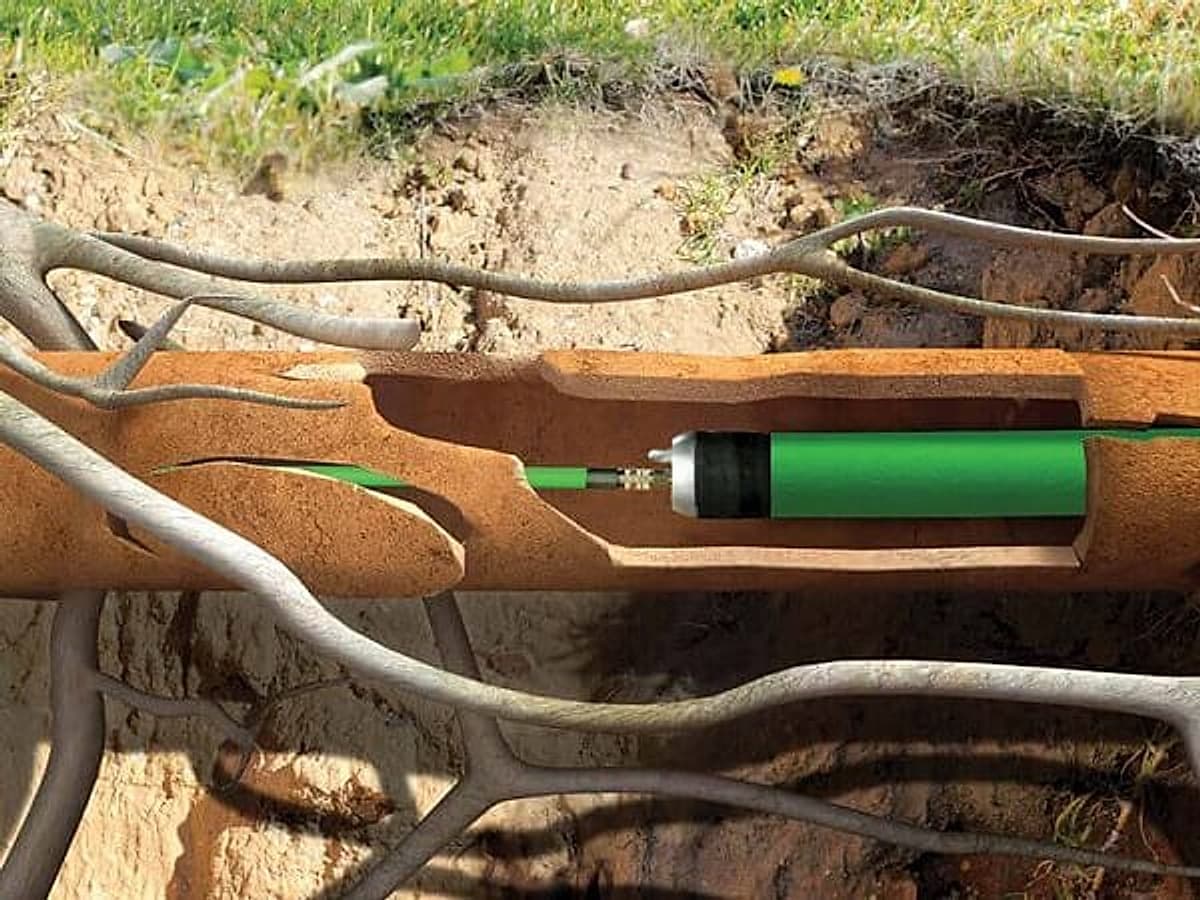
Understand what usually changes pipe relining cost in Sydney, from access and pipe length to CCTV findings, cleaning, and final repair scope.
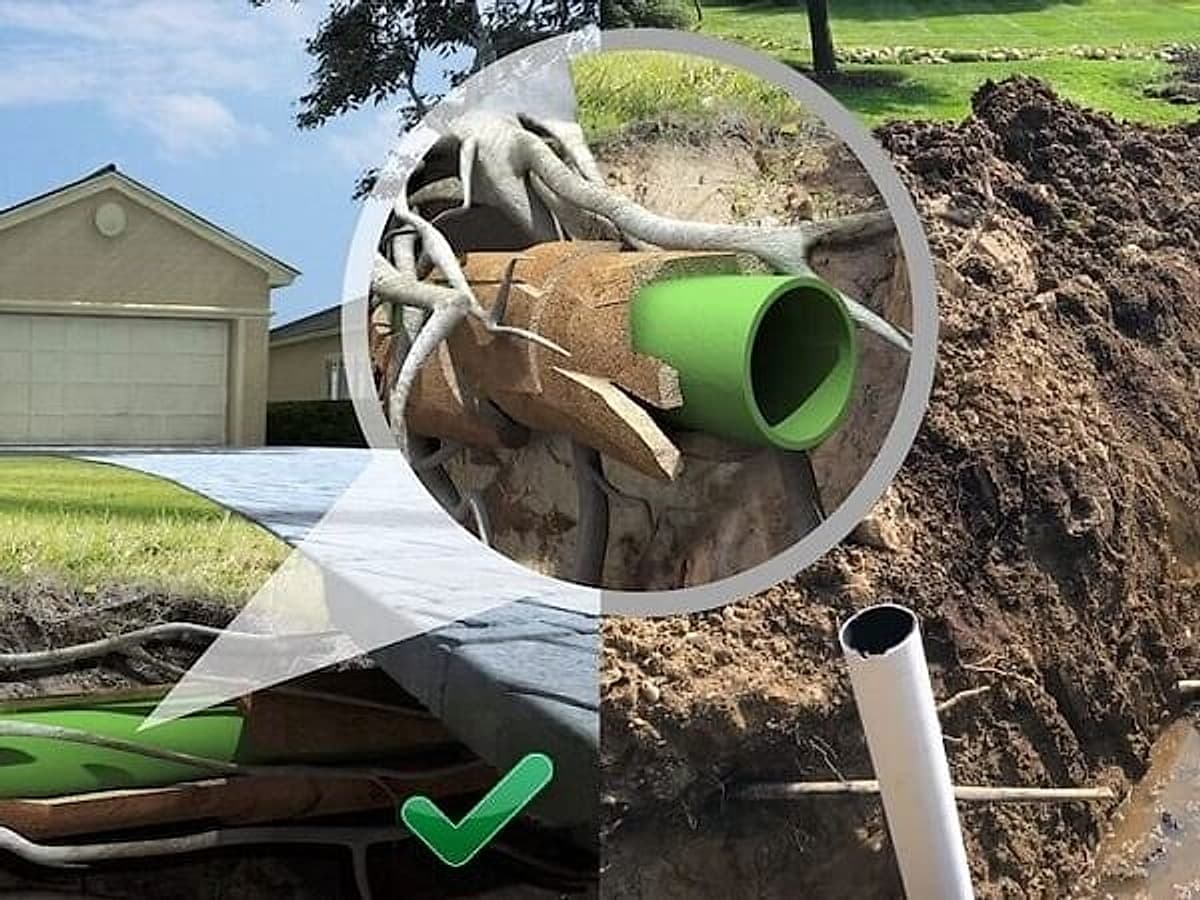
Compare pipe relining with replacement so you can understand where trenchless repair fits, when excavation may still be needed, and what affects the decision.
Learn what to check in a pipe relining warranty, what the paperwork should match, and how warranty details should be explained before the job starts.
Straight answers about CCTV, site access, quote factors, and what commercial or strata teams receive after the job.
Commercial and strata pipe relining repairs a damaged pipe from inside the existing line without full excavation. It is used on shared drainage, common property lines, and active commercial sites where CCTV confirms the pipe is suitable and the work needs to be staged around access and operations.
Yes. Shared strata lines can often be relined when CCTV shows the pipe still has the shape and condition needed for trenchless repair. Common lines usually need extra planning around access, staging, and communication before the work starts.
Yes. Commercial and strata relining should be quoted from the actual condition of the line, not guesswork. A CCTV drain inspection helps confirm the fault, the pipe condition, and whether relining is the right repair path for the site.
Yes. The work is planned around the way the property operates. That can include access windows, common areas, shared services, and the order the pipe runs need to be repaired so the site can keep functioning while the work is carried out.
You receive a clear scope for the approved work, CCTV findings where relevant, and the completed repair details needed for site records. Depending on the job, that can also include before and after footage, repair confirmation, and handover documentation.
The quote depends on pipe diameter, run length, access, the number of shared lines involved, the amount of cleaning and preparation needed, and how the work has to be staged across the site. We inspect first and then issue a written quote for the actual scope.
Commercial pipe relining is often a better fit when the line is damaged but still suitable for trenchless repair, especially where excavation would disrupt car parks, common areas, slabs, pathways, or the normal operation of the site.
Talk to P24 about commercial pipe relining, strata drainage repairs, CCTV inspection, and the right next step for shared lines across Sydney.
Call to discuss the issue and the next inspection or repair step.