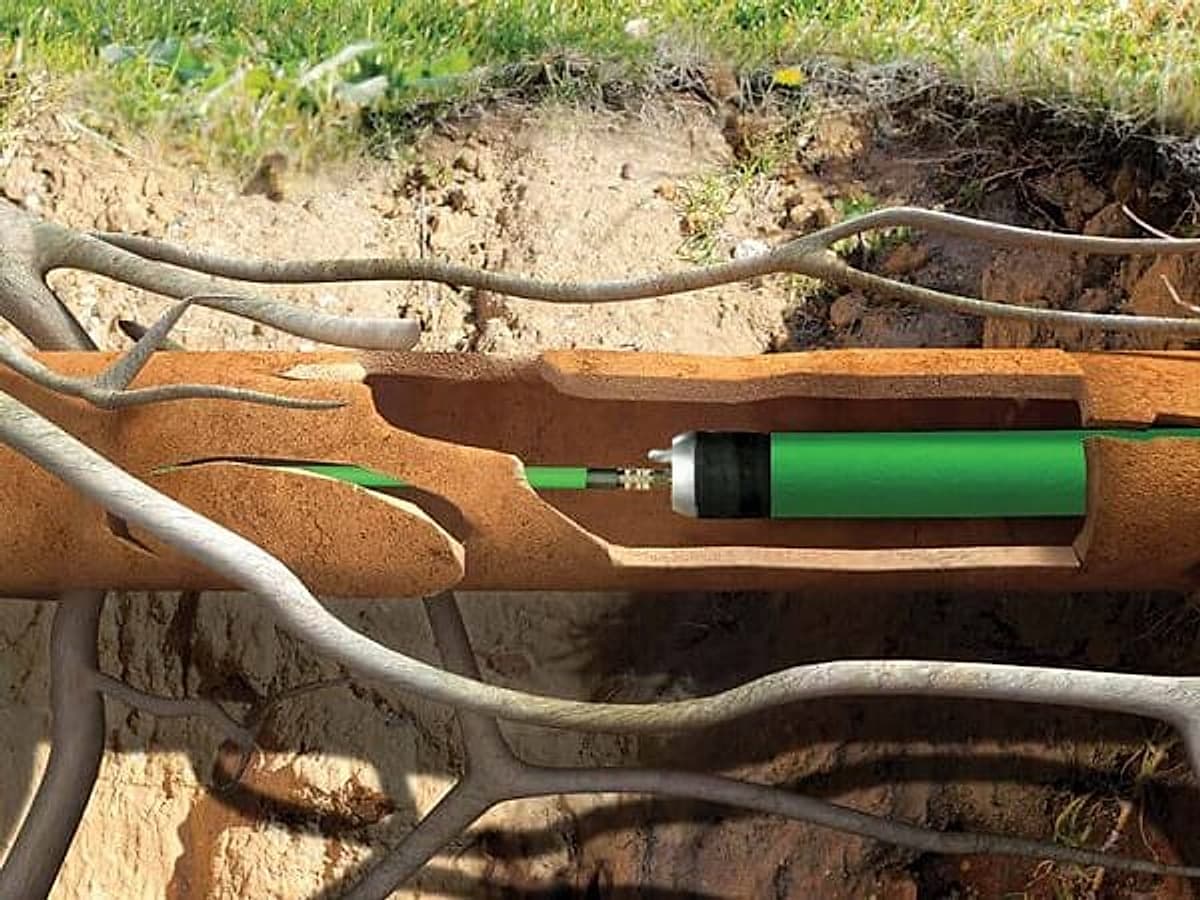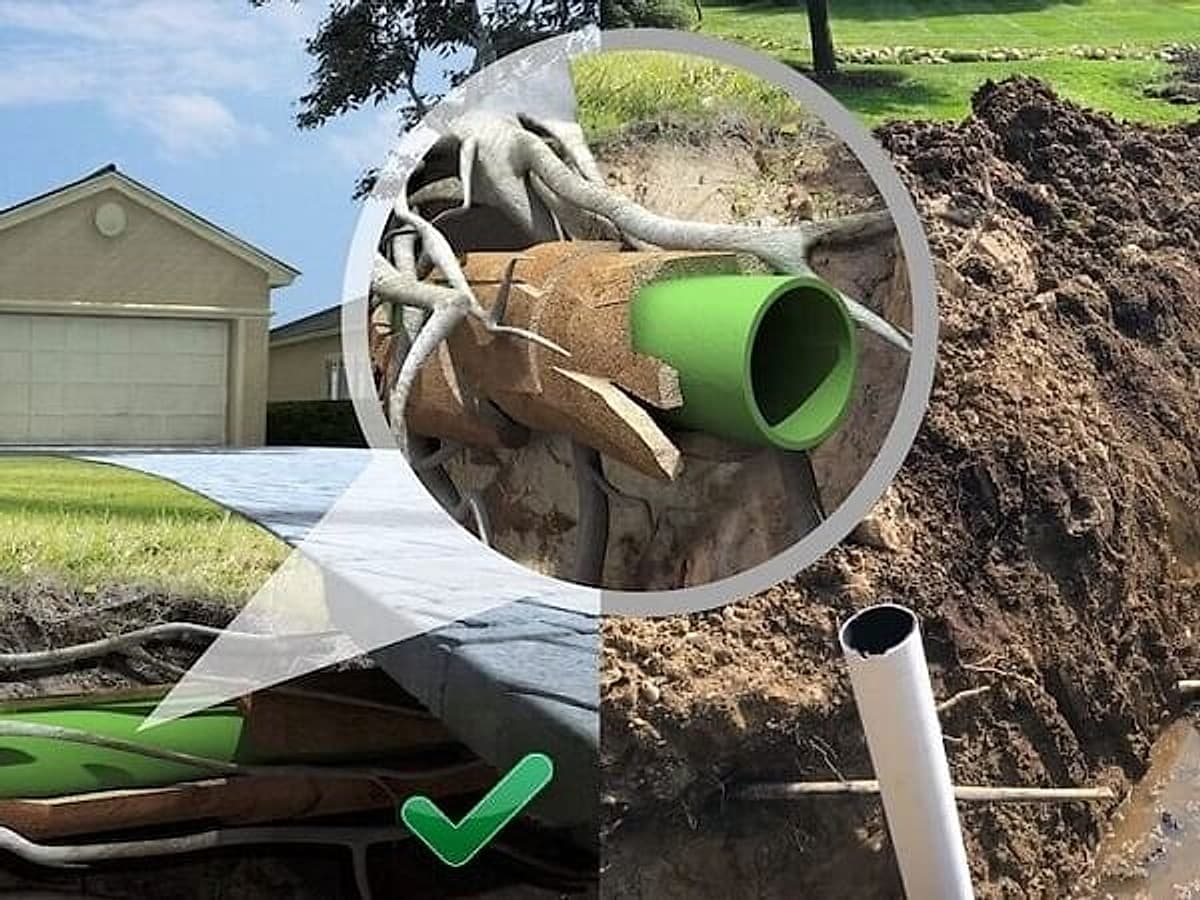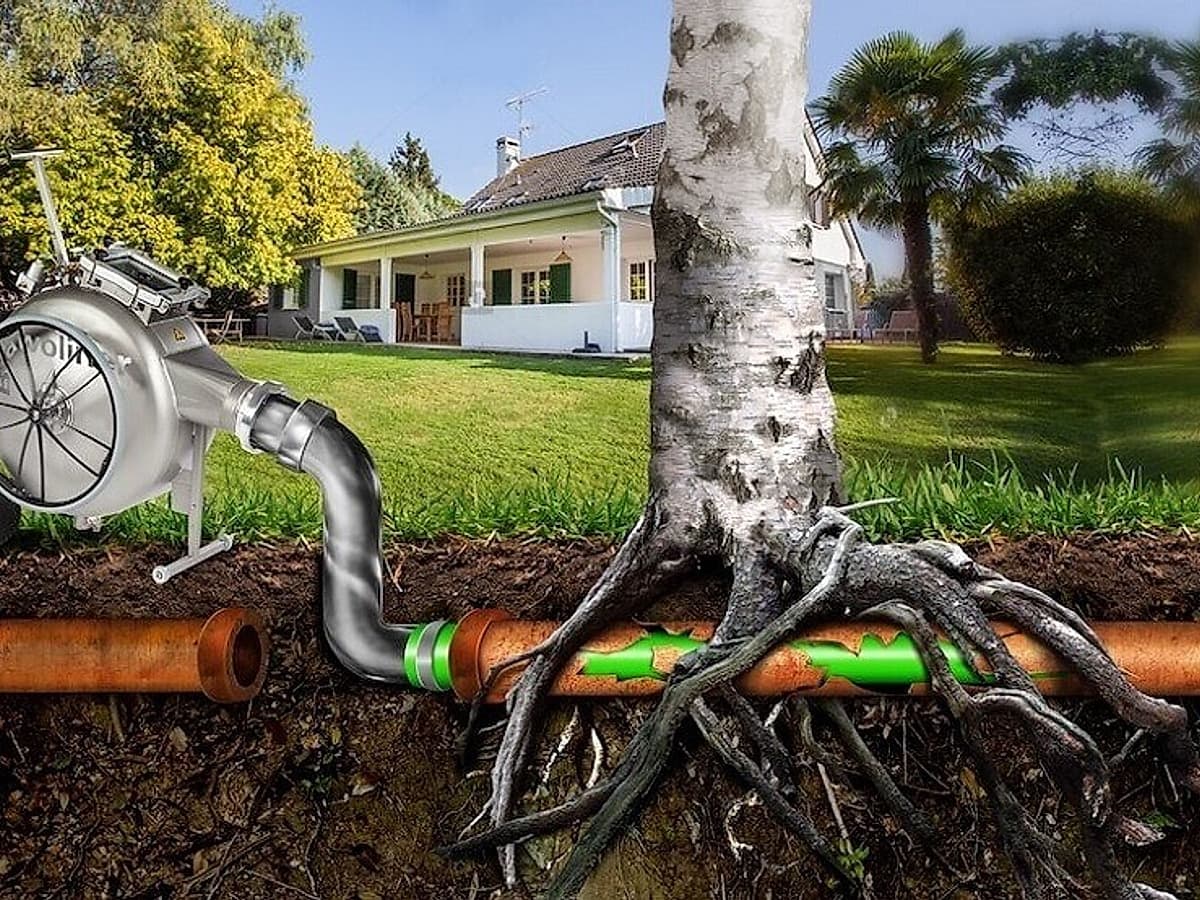
When you're facing damaged pipes in Sydney, understanding the cost of pipe relining versus traditional replacement can save you thousands of dollars and weeks of disruption. While prices vary based on your specific situation, pipe relining consistently proves 30-50% more cost-effective than excavation when you factor in all the hidden costs that come with digging up your property.
What Does Pipe Relining Cost in Sydney? The Real Numbers
Let's get straight to what you want to know: pipe relining in Sydney typically costs between $500 and $1,500 per meter. However, this per-meter pricing doesn't tell the complete story. Your actual project cost depends on multiple factors, and understanding these will help you budget accurately and avoid surprises.
Here's what most Sydney property owners can expect to pay for complete pipe relining projects:
- Small residential repairs (up to 10 meters): $3,000 - $8,000
- Medium residential projects (10-30 meters): $8,000 - $25,000
- Large residential or commercial projects (30+ meters): $25,000 - $50,000+
- Spot repairs (localized damage under 2 meters): $1,500 - $4,000
- Junction repairs: $800 - $2,500 per junction
These prices include everything: initial inspection, cleaning, materials, installation, curing, and final verification. Unlike traditional excavation quotes that often exclude restoration costs, pipe relining quotes are typically all-inclusive.
Breaking Down the Per-Meter Cost
The $500-$1,500 per meter range reflects different project complexities:
- $500-$700 per meter: Straightforward residential pipes in good structural condition with minimal damage, easy access, standard diameters (100-150mm)
- $700-$1,000 per meter: Average residential projects with moderate damage, some bends or junctions, typical accessibility
- $1,000-$1,500 per meter: Complex residential or light commercial pipes with significant damage, multiple junctions, difficult access, or larger diameters (150-225mm)
- $1,500+ per meter: Commercial projects, extra-large diameters (225mm+), severely damaged pipes, or exceptionally difficult access situations
The Seven Key Factors That Determine Your Pipe Relining Cost
Your pipe relining quote isn't pulled from thin air. Professional companies calculate costs based on specific, measurable factors that directly impact the materials, labor, and complexity of your project. Understanding these factors helps you evaluate quotes and understand why prices vary between properties.
1. Pipe Length and Diameter
This is the most obvious cost factor. Longer pipe sections require more resin-saturated liner material, longer curing times, and more labor hours. The relationship is straightforward: if you need 20 meters relined instead of 10, your material costs roughly double.
Pipe diameter affects costs even more significantly than length because larger pipes require:
- Substantially more liner material (a 225mm pipe uses four times the material of a 100mm pipe)
- More epoxy resin to saturate the thicker liner
- Specialized equipment capable of handling larger diameter installations
- Longer curing times due to increased resin volume
Common residential diameters (100-150mm) fall in the lower cost range, while commercial diameters (150-300mm+) can double or triple per-meter pricing.
2. Pipe Location and Accessibility
Accessibility dramatically impacts labor costs. Pipes easily reached through existing inspection openings or cleanouts cost significantly less to reline than pipes requiring specialized access solutions.
Easy access scenarios include:
- Pipes with existing inspection chambers or manholes
- Cleanout points near ground level
- Short distances from access points to work areas
- Clear pathways for equipment
Difficult access situations that increase costs:
- Pipes running under buildings, extensions, or permanent structures
- Deep pipes requiring extensive equipment setup
- Properties with limited space for equipment positioning
- Pipes accessible only from upper-story bathrooms or difficult interior locations
- Sites requiring traffic management or special permits
In some cases, creating a new access point may be necessary, adding $800-$2,500 to project costs—still far less than full excavation.
3. Extent and Type of Damage
The condition of your existing pipes directly affects preparation costs. Pipes with light damage require minimal preparation, while severely compromised pipes need extensive work before relining can proceed.
Minor damage (lower preparation costs):
- Small cracks or fractures
- Early-stage root intrusion
- Minor joint separation
- Light scale buildup
Severe damage (higher preparation costs):
- Heavy tree root infiltration requiring extensive cutting
- Severe corrosion or pipe material deterioration
- Large sections of collapsed or offset pipe
- Thick grease buildup or calcification
- Multiple junction failures
Heavily damaged pipes may require multiple high-pressure water jetting sessions, mechanical root cutting, and additional cleaning passes—potentially adding several hours of labor at $150-$250 per hour.
4. Number of Junctions, Bends, and Connections
Straight pipe runs are the simplest to reline. Each junction, bend, or connection adds complexity, requiring:
- Precise cutting and reinstatement of junction openings after liner installation
- Additional materials to ensure proper coverage around bends
- More complex installation techniques
- Longer installation and curing times
- Specialized robotic cutting equipment for junction reinstatement
Properties with simple, straight pipe runs (common in newer homes) typically fall at the lower end of pricing. Older properties with complex drainage networks, multiple junctions, and numerous bends often require premium pricing.
5. Pipe Material and Age
The existing pipe material affects relining difficulty and costs:
- PVC pipes (easiest): Smooth surfaces, predictable dimensions, minimal preparation needed
- Concrete pipes (moderate): May require more cleaning, but generally straightforward
- Clay/Earthenware (moderate to difficult): Often deteriorated, may have irregularities
- Cast iron (difficult): Severe corrosion common, extensive cleaning often required
- Asbestos cement (specialized): Requires special handling procedures, additional safety measures
Older pipes (50+ years) typically require more preparation work regardless of material type, potentially adding 15-30% to base costs.
6. Type of Property and Project Complexity
Residential projects generally cost less than commercial ones due to:
- Smaller pipe diameters
- Simpler drainage configurations
- Less regulatory complexity
- Standard working hours
Commercial and industrial projects often involve:
- Larger diameter pipes requiring more materials
- Complex multi-level drainage systems
- After-hours or weekend work to minimize business disruption
- Additional compliance and documentation requirements
- Higher insurance and liability considerations
7. Geographic Location Within Sydney
While this factor is often minimal, location within Sydney can affect costs:
- Central Sydney locations may incur parking fees or access charges
- Remote outer suburbs may include additional travel time charges
- High-traffic areas might require after-hours work at premium rates
- Properties in heritage areas may need special council approvals
Most reputable Sydney pipe relining companies service the entire metropolitan area at consistent rates, but it's worth confirming during the quoting process.
The Real Cost Comparison: Pipe Relining vs Traditional Replacement
On the surface, traditional pipe replacement might seem comparable in price to pipe relining. But this surface-level comparison is deeply misleading. The quoted price for excavation rarely includes the full scope of work—or the true cost to your property and daily life.
Let's break down a realistic comparison for a typical Sydney residential project requiring 15 meters of sewer pipe repair:
Traditional Excavation and Replacement: The Complete Picture
- Initial excavation labor and equipment: $6,000 - $12,000
Includes excavator hire, laborers, soil removal, and trench support
- Pipe removal and new pipe installation: $4,000 - $8,000
Materials, plumbing labor, and connecting to existing systems
- Backfilling and soil compaction: $1,500 - $3,000
Proper compaction requires multiple layers and specialized equipment
- Concrete driveway or pathway restoration: $4,000 - $15,000
If pipes run under hardscaping (very common in Sydney properties)
- Landscaping restoration: $3,000 - $10,000
Replacing lawns, gardens, retaining walls, and mature plants
- Fence removal and reinstallation: $1,000 - $3,000
Often necessary to access pipes along boundary lines
- Asbestos testing and removal (if applicable): $3,000 - $8,000
Common in Sydney homes built before 1980
- Council permits and inspections: $500 - $2,000
Required for excavation work in most Sydney council areas
- Soil disposal fees: $800 - $2,000
Contaminated or excavated soil often can't be kept on-site
Realistic Total: $23,800 - $63,000
Project Duration: 1-3 weeks (plus additional time for concrete curing and landscape establishment)
Pipe Relining: All-Inclusive Pricing
- CCTV inspection and diagnosis: Included (often free)
- High-pressure water jetting: Included
- Root cutting if needed: Included
- Epoxy liner and resin materials: Included
- Professional installation: Included
- Curing process: Included
- Junction reinstatement: Included
- Final CCTV verification: Included
- Site cleanup: Included
- 50-year warranty: Included
- Excavation costs: $0
- Restoration costs: $0
- Council permits: $0
Realistic Total: $10,500 - $18,000 for 15 meters
Project Duration: 1 day (pipes functional within hours)
The Bottom Line
For this typical residential project, pipe relining saves $13,300 to $45,000 compared to traditional replacement—a 40-70% cost reduction. Even more valuable: you avoid weeks of disruption, preserve your landscaping, and protect your property's aesthetic and functional value.
What's Included in Professional Pipe Relining Costs?
Understanding what's included in your pipe relining quote helps you compare proposals and avoid surprises. Reputable pipe relining companies provide comprehensive, all-inclusive pricing that covers every step of the process:
Pre-Work Assessment
- Initial CCTV camera inspection: Complete video survey of your pipes with time-stamped footage showing exact damage locations
- Detailed written report: Documentation of pipe condition, damage extent, and recommended solution
- Accurate measurements: Precise pipe length, diameter, and configuration assessment
- Fixed-price quote: Transparent pricing with no hidden fees or surprise charges
Preparation Work
- High-pressure water jetting: Professional cleaning to remove debris, grease, scale, and buildup
- Root cutting service: Mechanical or high-pressure removal of tree roots infiltrating pipes
- Obstruction removal: Clearing any blockages that could interfere with liner installation
- Pipe surface preparation: Ensuring optimal conditions for liner adhesion
Installation Process
- Premium epoxy resin liner: High-quality materials meeting Australian standards
- Custom-fitted liner tube: Precisely measured to your pipe dimensions
- Professional installation: Expert technicians using proven techniques
- Controlled curing process: Hot water, steam, or UV curing for optimal liner hardness
- Junction reinstatement: Robotically cutting and reopening junction connections
Quality Verification
- Post-installation CCTV inspection: Final video verification of liner quality and junction openings
- Flow testing: Ensuring proper drainage operation
- Documentation: Before-and-after video evidence of successful repair
Completion and Warranty
- Complete site cleanup: Removal of all equipment and materials
- Waste disposal: Proper removal of any debris or cleaning waste
- 50-year structural warranty: Comprehensive coverage on materials and workmanship
- Ongoing support: Access to customer service for any questions or concerns
This comprehensive approach means your quoted price is your final price—no unexpected additions or hidden charges that can derail your budget.
Hidden Costs of Traditional Replacement (That Quotes Don't Mention)
When contractors quote traditional pipe replacement, they rarely mention the full scope of associated costs. These "extras" often double or triple initial quotes, creating budget shock for unsuspecting property owners:
Structural and Material Costs
- Asbestos removal and disposal: $5,000-$12,000 if your pre-1980s property has asbestos cement pipes (extremely common in Sydney)
- Retaining wall repairs: $3,000-$15,000 if excavation undermines existing walls
- Foundation concerns: Potential thousands if excavation affects building foundations
- Underground utility relocation: $2,000-$8,000 if water, gas, or electrical lines interfere
Regulatory and Administrative Costs
- Council permits and inspections: $500-$2,500 depending on your local council
- Engineering reports: $1,500-$3,000 if required for heritage areas or challenging sites
- Traffic management: $1,000-$4,000 for properties affecting public footpaths or roads
- Neighbour notifications: Potential legal costs if work affects adjacent properties
Lifestyle and Business Impact Costs
- Temporary accommodation: $2,000-$8,000 if your home becomes unlivable during extensive excavation
- Lost business revenue: Thousands in lost income for commercial properties closed during repairs
- Property value impact: Disrupted properties can be harder to sell if work coincides with selling plans
- Time off work: Lost wages from needing to oversee extended construction projects
Unexpected Site Complications
- Rock or difficult soil: $3,000-$10,000 extra for rock breaking or soil stabilization
- High water table: $2,000-$6,000 for dewatering and specialized excavation
- Contaminated soil disposal: $2,000-$8,000 if soil testing reveals contamination
- Weather delays: Extended equipment hire and labor costs if rain delays work
These hidden costs explain why initial excavation quotes of $15,000 regularly balloon to $35,000-$50,000 once reality sets in. Pipe relining eliminates virtually all of these potential cost explosions.
How to Get an Accurate, Reliable Quote
Accurate pipe relining quotes require proper assessment—not guesswork or rough estimates. Beware of companies offering quotes over the phone without inspecting your pipes. These quotes are meaningless and often lead to nasty surprises when work begins.
Here's the professional process for accurate quoting:
Step 1: Request a CCTV Inspection
Professional pipe relining companies provide free or low-cost CCTV camera inspections. This non-invasive inspection:
- Shows exactly what's wrong with your pipes
- Measures precise pipe length requiring relining
- Identifies pipe diameter and material type
- Reveals root intrusion, cracks, or structural damage
- Provides time-stamped video footage you can review
Step 2: Receive Detailed Assessment
After inspection, you should receive:
- Written report detailing pipe condition
- Exact measurements of damaged sections
- Recommendation for relining vs. other solutions
- Identification of any additional work needed
- Copy of inspection footage for your records
Step 3: Get Fixed-Price Quote
A proper quote includes:
- Total project cost with no hidden fees
- Itemized breakdown of work to be performed
- Timeline for project completion
- Warranty details and coverage period
- Payment terms and schedule
- Company licensing and insurance information
Step 4: Compare Multiple Quotes
Get quotes from at least three companies and compare:
- Total price: Not just per-meter rates, but complete project costs
- What's included: Ensure all necessary work is covered
- Material quality: Verify they use premium epoxy resins
- Warranty terms: 50-year warranties are industry standard
- Company reputation: Check reviews, testimonials, and track record
- Licensing and insurance: Confirm proper credentials and coverage
Red Flags to Watch For
Avoid companies that:
- Provide quotes without CCTV inspection
- Pressure you to decide immediately
- Offer prices significantly lower than competitors (often indicates inexperience or inferior materials)
- Can't provide proof of licensing and insurance
- Won't provide written quotes or warranties
- Have no online presence, reviews, or references
Is Pipe Relining Worth the Investment? The Long-Term Value Analysis
Looking at the upfront cost alone misses the complete picture. Pipe relining is an investment in your property's infrastructure that delivers value far beyond the initial expense.
Exceptional Longevity and Durability
Modern epoxy resin liners carry 50-year warranties because they genuinely last that long—and often longer. The earliest pipe relining installations from the 1970s remain functional today, over 50 years later. This means:
- One pipe relining job likely outlasts your ownership of the property
- No need for repeated repairs or ongoing maintenance
- Peace of mind knowing your pipes are structurally sound
- Cost per year of service: potentially as low as $70-$500 annually over 50 years
Increased Property Value
Updated, relined pipes add tangible value to your property:
- Building inspection reports show modern, warrantied pipe infrastructure
- Buyers pay premium prices for homes with addressed plumbing issues
- Transferable warranties provide additional selling points
- Disclosure of resolved pipe problems prevents negotiation leverage for buyers
- Properties with documented pipe relining sell faster and for higher prices
Eliminated Ongoing Maintenance Costs
Damaged pipes create recurring expenses that pipe relining eliminates:
- No more blockage call-outs: Save $200-$500 per year on drain clearing services
- No root intrusion: Seamless liners prevent tree roots from re-entering pipes
- Improved flow capacity: Smooth liner surfaces prevent buildup and maintain drainage efficiency
- Zero corrosion: Epoxy doesn't deteriorate like metal or clay pipes
Prevented Emergency Failures
Proactive pipe relining prevents catastrophic failures that occur when damaged pipes finally collapse:
- Emergency plumber call-outs: $500-$1,500 just to diagnose
- Temporary repairs: $1,000-$3,000 to restore basic function
- Water damage to property: Potentially $5,000-$50,000+ in restoration costs
- Health hazards from sewage backups: Cleanup costs plus potential illness
- Stress and disruption during crisis situations
Preserved Property Aesthetics
The value of maintaining your property's existing landscape and hardscaping:
- Mature trees that took decades to grow remain untouched
- Designer landscaping stays intact
- Expensive paving, driveways, and pathways preserved
- Decking, pergolas, and outdoor structures unaffected
- Property retains curb appeal and aesthetic value
Environmental Responsibility
Choosing pipe relining supports environmental sustainability:
- Reduced waste to landfills (old pipes remain in ground)
- Lower carbon footprint from eliminated excavation and transportation
- Protected soil ecosystems and tree root systems
- Prevented water waste from leaking pipes
- Contributing to sustainable construction practices
Financing Options for Pipe Relining Projects
While pipe relining costs less than traditional replacement, larger projects can still represent significant investments. Fortunately, multiple financing options help Sydney property owners manage costs:
Company Payment Plans
Many reputable pipe relining companies offer flexible payment arrangements:
- Interest-free payment plans for qualified customers
- Staged payment schedules (deposit, mid-project, completion)
- Extended payment terms for larger commercial projects
- Senior and pensioner discounts in some cases
Home Equity Loans and Lines of Credit
Property owners with available equity can access:
- Low-interest rates compared to personal loans or credit cards
- Flexible repayment terms
- Large borrowing capacity for extensive projects
- Potential tax benefits (consult your accountant)
Personal Loans for Home Improvements
Banks and financial institutions offer unsecured personal loans specifically for home improvements:
- Quick approval processes (often within 24-48 hours)
- No need to use property as collateral
- Fixed interest rates and predictable repayments
- Loan amounts typically $5,000-$50,000
Insurance Claims
Depending on your policy and the cause of damage, home insurance may cover pipe repairs:
- Sudden, unexpected pipe failures may be covered
- Storm damage to stormwater pipes
- Tree root damage in some circumstances
- Requires proper documentation and CCTV evidence
Note: Gradual deterioration or lack of maintenance typically isn't covered, but it's always worth checking your policy and speaking with your insurer.
Commercial and Business Financing
Business property owners have additional options:
- Business equipment loans
- Commercial lines of credit
- Tax deductions for property maintenance (consult your accountant)
- Depreciation schedules for capital improvements
Money-Saving Tips for Pipe Relining Projects
While you shouldn't compromise on quality, these strategies help you get the best value:
Act Before Emergency Strikes
Proactive repairs cost significantly less than emergency call-outs:
- Standard pricing vs. after-hours emergency rates (50-100% premium)
- Time to compare quotes and choose the best company
- Ability to schedule work at convenient times
- Avoid water damage costs from pipe failures
- Leverage preventive maintenance discounts some companies offer
Combine Multiple Pipe Sections
If you have multiple damaged pipe sections, relining them simultaneously often reduces per-meter costs:
- Single mobilization fee instead of multiple visits
- One CCTV inspection covering all areas
- Bulk material discounts
- Consolidated project management
Choose Off-Peak Timing
Some companies offer better rates during quieter periods:
- Winter months (June-August) often have more availability
- Mid-week scheduling vs. weekends
- Planning ahead for non-urgent work
Maintain Your Relined Pipes
Maximize your investment's lifespan through proper maintenance:
- Regular drain cleaning to prevent buildup
- Avoid disposing of grease, oil, and inappropriate materials
- Periodic CCTV inspections (every 5-10 years) to catch minor issues early
- Tree root management near pipe lines
Common Cost Questions Answered
Why do quotes vary so much between companies?
Legitimate variation occurs due to different material quality, equipment sophistication, technician experience, and warranty coverage. However, extreme outliers (either very high or very low) deserve scrutiny. Very low prices often indicate inferior materials, inexperienced technicians, or missing work scope.
Can I just reline the damaged section instead of the whole pipe?
Yes. Spot repairs or patch relining for localized damage typically costs $1,500-$4,000 and works well for isolated cracks or joint failures. However, if your pipe has multiple problems or is old and deteriorating, full-length relining provides better long-term value by addressing the entire pipe's condition.
Does pipe relining cost more for older homes?
Older homes often have more damaged pipes requiring extensive preparation (root cutting, heavy cleaning), potentially adding 15-30% to base costs. However, they also benefit most from relining since traditional replacement involves navigating asbestos pipes, established landscaping, and unknown underground obstacles—all of which explode excavation costs.
Are there ongoing costs after pipe relining?
No. Once installed, relined pipes require no special maintenance beyond normal drain care. Unlike traditional pipes that gradually deteriorate and require repeated repairs, quality pipe relining is a one-time investment with 50+ year lifespan.
How much does commercial pipe relining cost?
Commercial projects typically cost $1,200-$2,500+ per meter due to larger pipe diameters (often 225-600mm+), complex drainage networks, and after-hours work requirements. However, the cost-benefit analysis heavily favors relining for commercial properties because excavation would require business closure, customer disruption, and massive restoration expenses.
Why Choose P24 Pipe Relining Sydney
At P24 Pipe Relining Sydney, we believe in transparent, honest pricing without surprises or hidden fees. Our comprehensive approach ensures you understand exactly what you're paying for and what to expect.
What We Offer
- Free CCTV inspections and detailed reporting: Know exactly what's wrong before committing
- Fixed-price quotes with no hidden costs: Your quote is your final price
- Premium materials and proven techniques: We use only the best epoxy resins and equipment
- 50-year structural warranties: Comprehensive coverage for your peace of mind
- Experienced, licensed technicians: Years of specialized pipe relining expertise
- Same-day service available: For urgent situations requiring immediate attention
- Flexible payment options: Working with you to make pipe relining affordable
- Comprehensive insurance coverage: Full protection for your property
Our Commitment to Value
We compete on quality and service, not by cutting corners on materials or rushing jobs. Every pipe relining project receives the same attention to detail whether it's a small residential repair or large commercial installation.
Our technicians take pride in delivering work that exceeds expectations, backed by some of the strongest warranties in the industry. When you choose P24, you're not just buying pipe relining—you're investing in permanent, warrantied infrastructure improvements that protect your property for decades.
Take the Next Step
Understanding pipe relining costs helps you budget appropriately and make informed decisions. While your specific project cost depends on your unique situation, pipe relining consistently delivers superior value compared to traditional excavation methods.
The best way to get accurate pricing is through a professional CCTV inspection and assessment. This reveals exactly what your pipes need and enables precise, fixed-price quoting.
Ready to learn what pipe relining will cost for your Sydney property? Contact P24 Pipe Relining Sydney today for a free, no-obligation CCTV inspection and detailed quote. Our experienced team will assess your pipes, explain your options, and provide transparent pricing so you can move forward with confidence.
Don't wait for minor pipe problems to become major emergencies. Proactive pipe relining costs less, causes less disruption, and provides decades of worry-free service. Let us show you how affordable permanent pipe repair can be.