Signs You Need Pipe Relining
Learn the signs that usually push the conversation beyond a simple clear, including recurring blockages, root entry, and CCTV evidence of pipe damage.
Short answer
The clearest signs you may need pipe relining are recurring blocked drains, repeated root entry, CCTV footage showing cracks or failed joints, and damage sitting under areas you do not want excavated.
P24 Pipe Relining Sydney
6 min read
Key Takeaways
- Recurring blocked drains often point to a deeper fault than surface buildup alone
- CCTV footage is the quickest way to confirm whether the line needs repair
- Pipe relining is usually checked when the line is damaged but still suitable to restore from within
Signs you need pipe relining usually show up before anyone says the words "pipe relining". In 2026, the common pattern is still the same: the drain keeps failing, the blockage comes back, or CCTV shows cracks, failed joints, root entry, or wear that points to structural damage in the line.
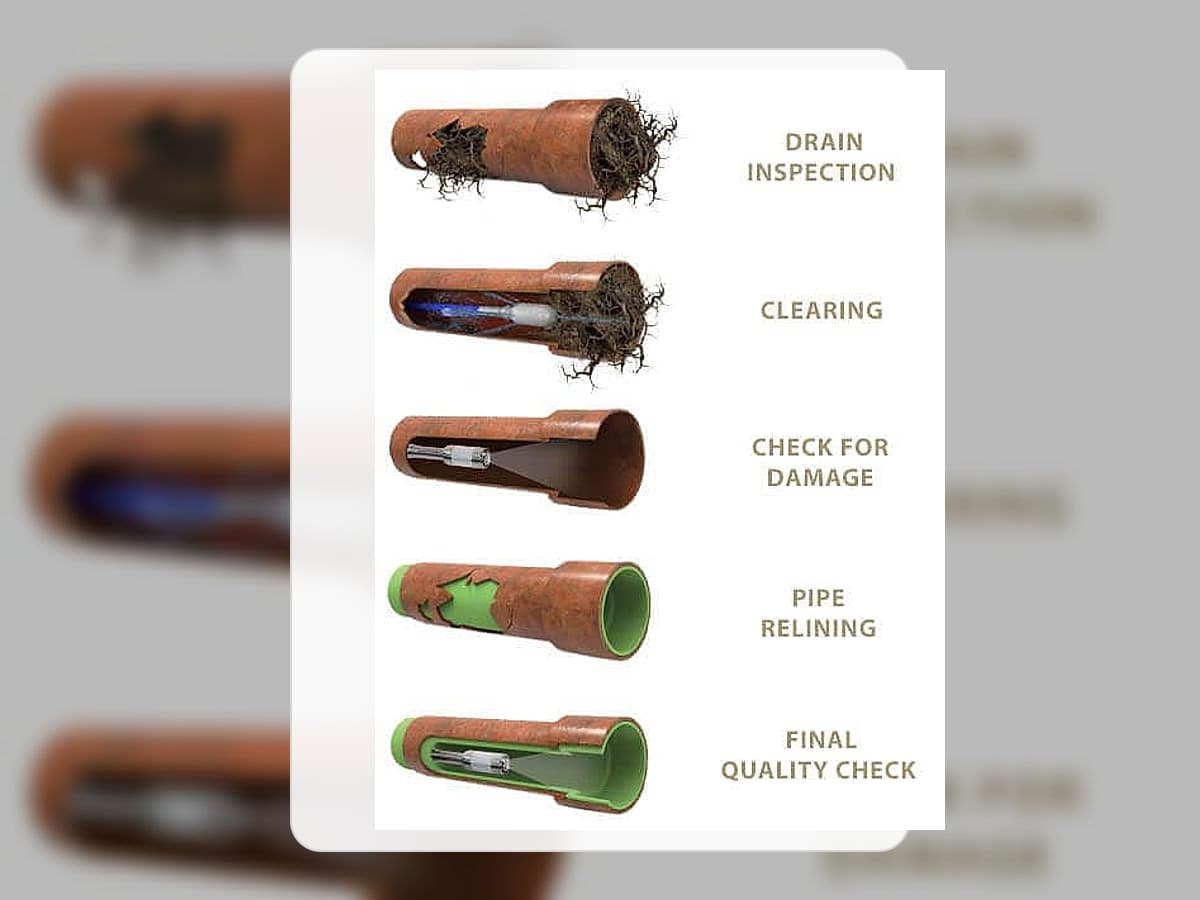
The important part is this: symptoms alone do not prove that relining is the answer. They only show when the conversation has probably moved beyond a simple clear. Pipe relining becomes relevant once the line has been checked properly and the footage shows the damaged section is suitable to restore from within.
The Strongest Sign Is Usually A Problem That Keeps Returning
A one-off blockage does not automatically mean the line needs repair. A recurring problem is different.
If the same drain keeps backing up, slowing down, gurgling, or smelling after earlier work, there is a fair chance the issue sits in the pipe itself rather than in loose debris alone.
That can happen when:
- roots keep entering through a failed joint
- a crack keeps catching waste
- a worn section of line keeps holding build-up
- the damaged pipe sits under an area where the fault is not visible from the surface
Recurring trouble does not confirm relining, but it does show the line needs a more useful diagnosis.
Recurring Blocked Drains Are One Of The Clearest Warning Signs
Recurring blocked drains are often the sign that turns a maintenance issue into a repair discussion.
Common warning patterns include:
- the same branch or fixture keeps blocking
- several fixtures react at once
- the drain is slow between full blockage events
- earlier clearing only helped for a short time
In those cases, the real question is no longer just how to restore flow today. It is why the same section keeps failing. That is where Blocked Drains Sydney often leads into a broader repair conversation.
CCTV Footage Showing Structural Damage Is Another Major Sign
Once the camera shows defects in the host pipe, the signs become much stronger.
Cracks
A crack can catch waste, let roots in, or allow the same section to keep deteriorating over time.
Failed joints
Failed joints are one of the main reasons roots and debris keep re-entering the same part of the line.
Repeated root intrusion
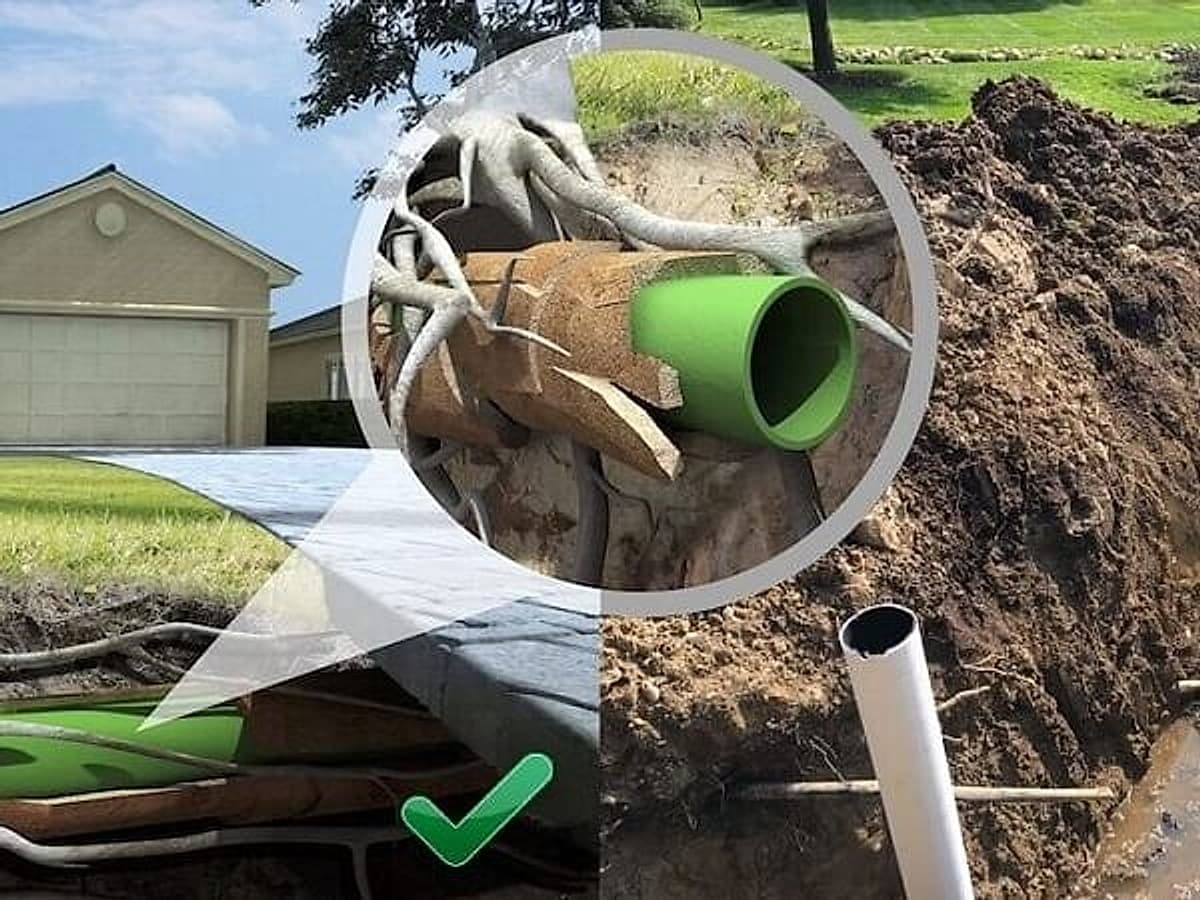
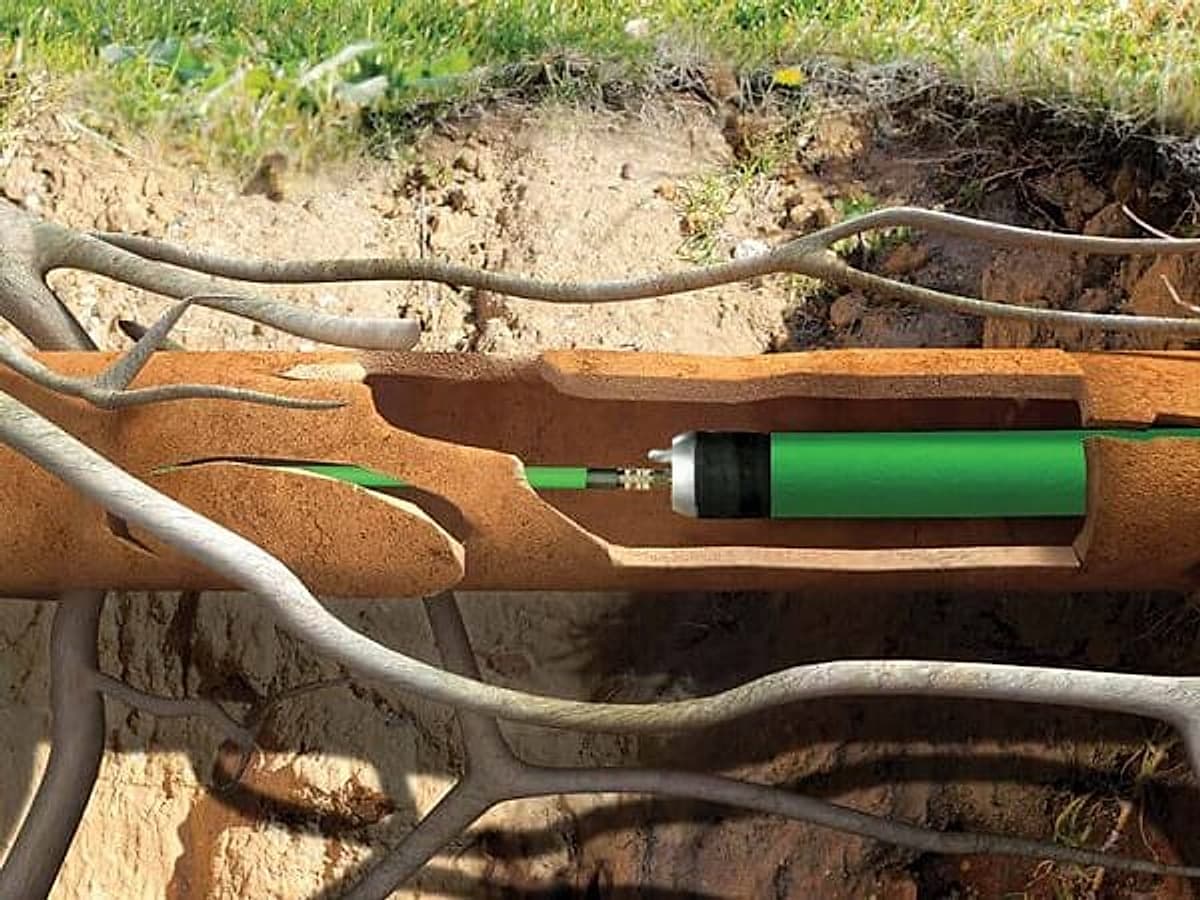
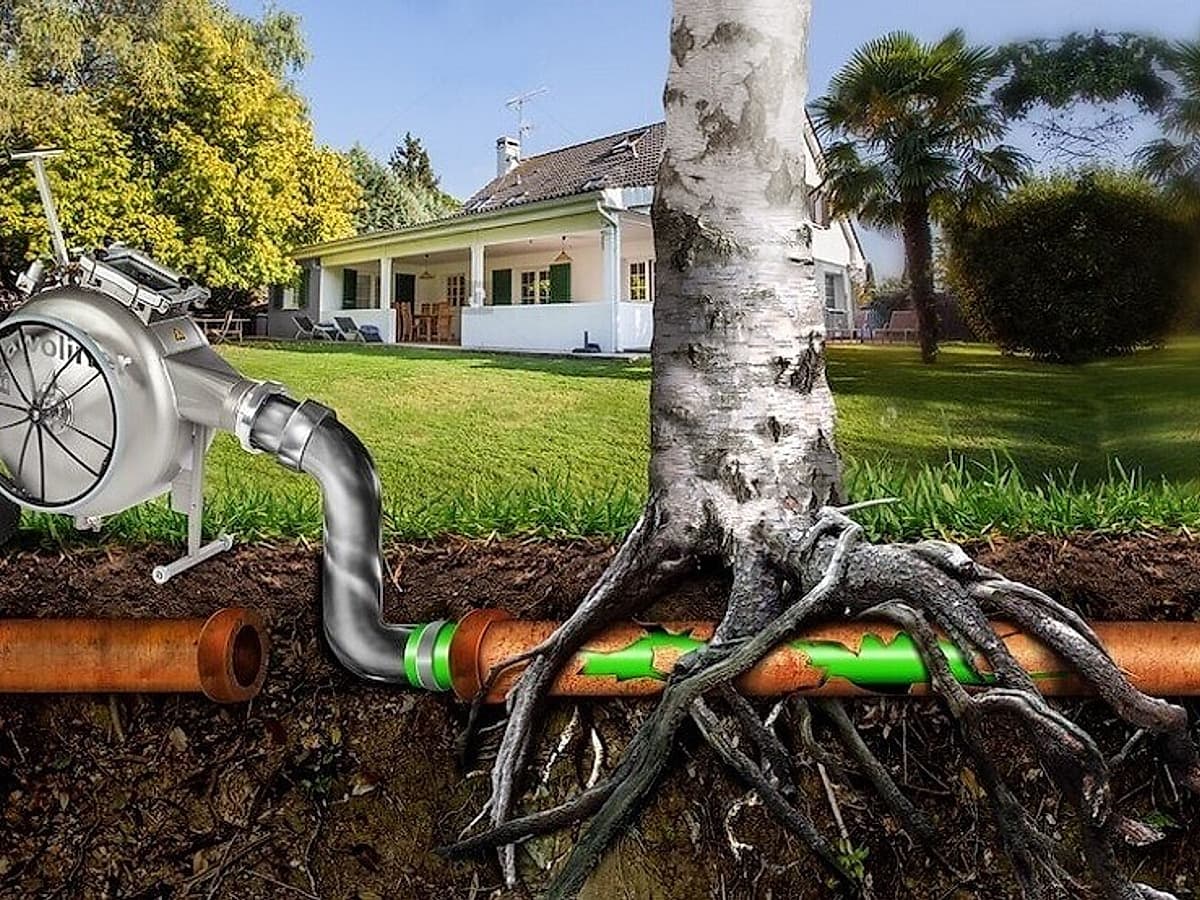
Roots often change the conversation completely. If roots keep coming back after earlier clearing, the underlying issue is usually the opening in the pipe that keeps letting them in.
This is why CCTV drain inspections are so often the turning point between recurring symptoms and an actual repair decision.
Damage Under Hard-To-Reach Areas Often Pushes The Decision Toward Relining
Sometimes the line damage is not especially dramatic. The real issue is where it sits.
Pipe relining is often worth checking when the damaged section runs under:
- driveways
- paths
- gardens
- courtyards
- internal floors
- common property
In those settings, excavation can widen the job quickly. That does not mean relining is always the right answer, but it is one reason the method is commonly assessed early.
Slow Flow Between Full Blockages Is Often An Early Warning Sign
Some lines do not fail all at once. They show a longer period of reduced performance first.
You may notice:
- sinks that drain more slowly than they used to
- shower or floor wastes that stay sluggish
- toilets that behave inconsistently
- external drains or gullies that hold water
- smells that return under heavier use
That pattern often means the line is still moving water, but not cleanly. If it keeps happening, the pipe usually needs more than assumption-based maintenance.
Repeated Root Entry Is One Of The Strongest Signs
Tree roots are one of the clearest warning signs because they often reveal both the symptom and the deeper cause.
If the line has already been cleared and roots still return, the problem is rarely the roots alone. The problem is the defect that keeps letting them back in.
That is one of the most common situations where relining becomes worth checking, especially after the line has been cleaned and the damage has been confirmed on camera.
A Short-Term Fix That Does Not Last Is Also A Sign
Another common pattern is when the line improves, then fails again quickly.
That usually means one of two things:
- the earlier work did not reach the real cause
- the pipe has structural damage that keeps recreating the blockage conditions
Either way, the symptoms are telling you the line needs a clearer diagnosis than another quick response.
The Signs Can Look Slightly Different On Different Lines
Sewer lines
Recurring wastewater backup, smells, and several fixtures reacting together often point to deeper sewer issues.
Stormwater lines
Overflow during rain, water holding in pits, and damaged external runs can point to stormwater faults.
Shared drainage
Multiple complaints across units or tenancies can point to a common-line problem that needs broader assessment.
The signs are not identical on every system, but the pattern is similar: repeated trouble plus structural evidence in the line.
When The Signs Still Point To Cleaning Or Diagnosis First
It is just as important to know when the line may not be ready for a repair decision yet.
The next step may still be cleaning or diagnosis when:
- the blockage appears local and one-off
- the line has not been inspected yet
- the pipe is still full of roots or build-up and the host wall is not clearly visible
- the symptom is active but the structural condition is still unknown
That does not weaken the case for relining. It just means the process has to start earlier in the chain.
A Practical 2026 Checklist
If you think the line may need relining, ask:
- does the problem keep coming back?
- has the line been checked on CCTV?
- are roots, cracks, or failed joints visible?
- does the damaged section sit under an area where excavation would be disruptive?
- has the line been cleaned enough to show the true condition?
If the answer to several of those is yes, pipe relining is usually worth assessing seriously.
The Bottom Line
Signs you need pipe relining usually show up as recurring blocked drains, CCTV evidence of cracks or failed joints, repeated root entry, or a damaged line under areas where excavation would spread the job too far.
The signs themselves do not book the repair. They do tell you when the line has moved beyond "wait and see". Once that point is reached, the next step is to inspect the line clearly and judge the repair from the footage rather than the symptom alone.
Next step
Need to confirm what the line is actually doing?
If the blockage keeps returning or the cause is still unclear, start with the footage and the condition of the line before anyone guesses at the repair path. The most relevant service after this guide is usually Pipe Relining Sydney.
Related services
Sydney coverage
Need a local pipe relining page after this guide?
Start with the Sydney locations hub if you want region and suburb guidance, then move into the area that matches the property.
Pipe Relining Sydney Locations
Start with the Sydney locations hub, then move into the right region.
Open pagePipe Relining Eastern Suburbs
Browse local pipe relining guidance for the Eastern Suburbs.
Open pagePipe Relining Inner West
See pipe relining services and completed work across the Inner West.
Open pagePipe Relining North Shore
See pipe relining services across the North Shore.
Open page
P24 Pipe Relining Sydney
Sydney's Pipe Relining Specialists
Sydney pipe relining and drain repair specialists with more than 20 years of experience, German Brawoliner equipment, clear quotes, and a 25-year warranty on eligible relining work.