Understanding the pipe relining process removes the mystery from this innovative technology and explains why it's become the preferred method for pipe repair across Sydney. From the initial camera inspection to the final quality verification, each step is precisely engineered to create a brand-new pipe within your existing one—delivering a permanent solution with minimal disruption to your property.
Overview: The Six Core Stages of Pipe Relining
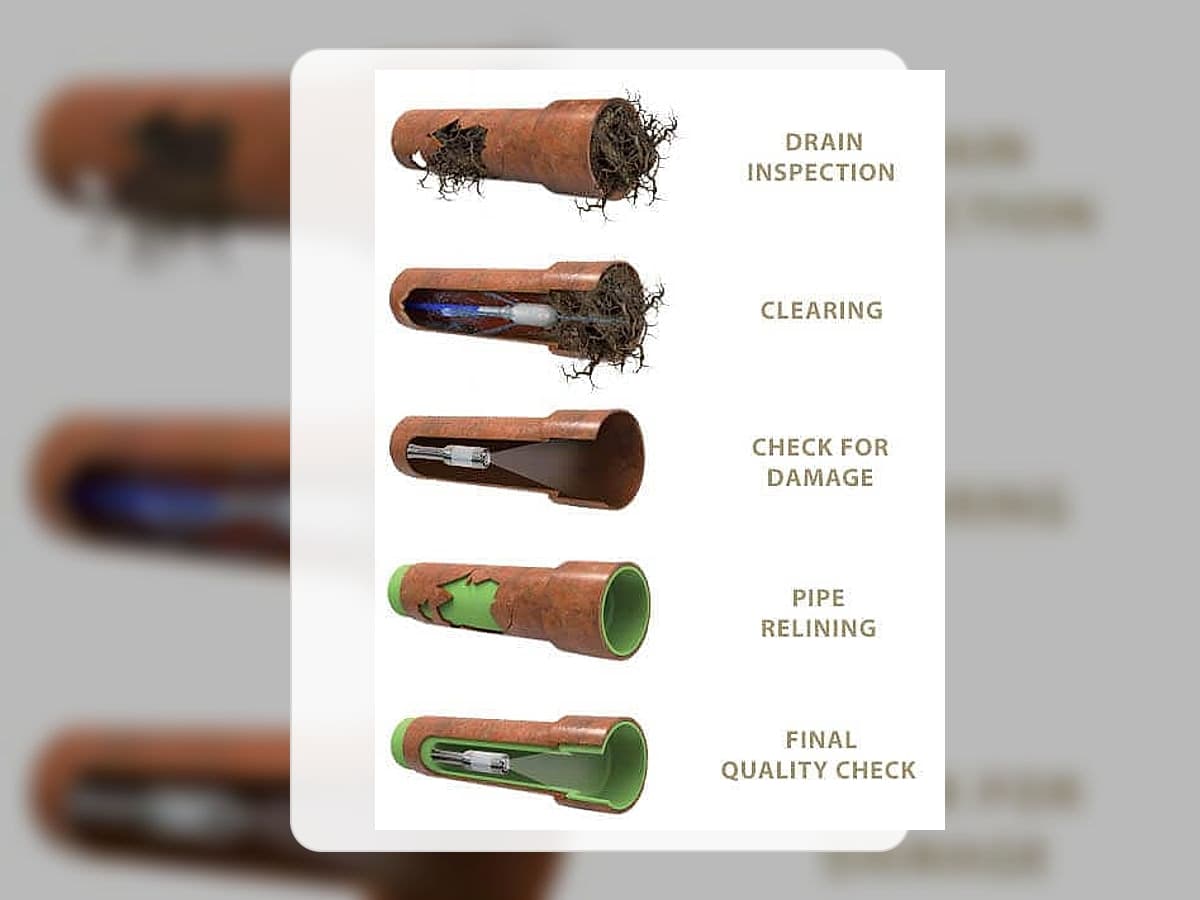
Professional pipe relining follows a systematic, proven process that ensures quality results every time:
- Stage 1: Comprehensive CCTV Pipe Inspection and Assessment
- Stage 2: High-Pressure Water Jetting and Pipe Preparation
- Stage 3: Liner Preparation and Resin Saturation
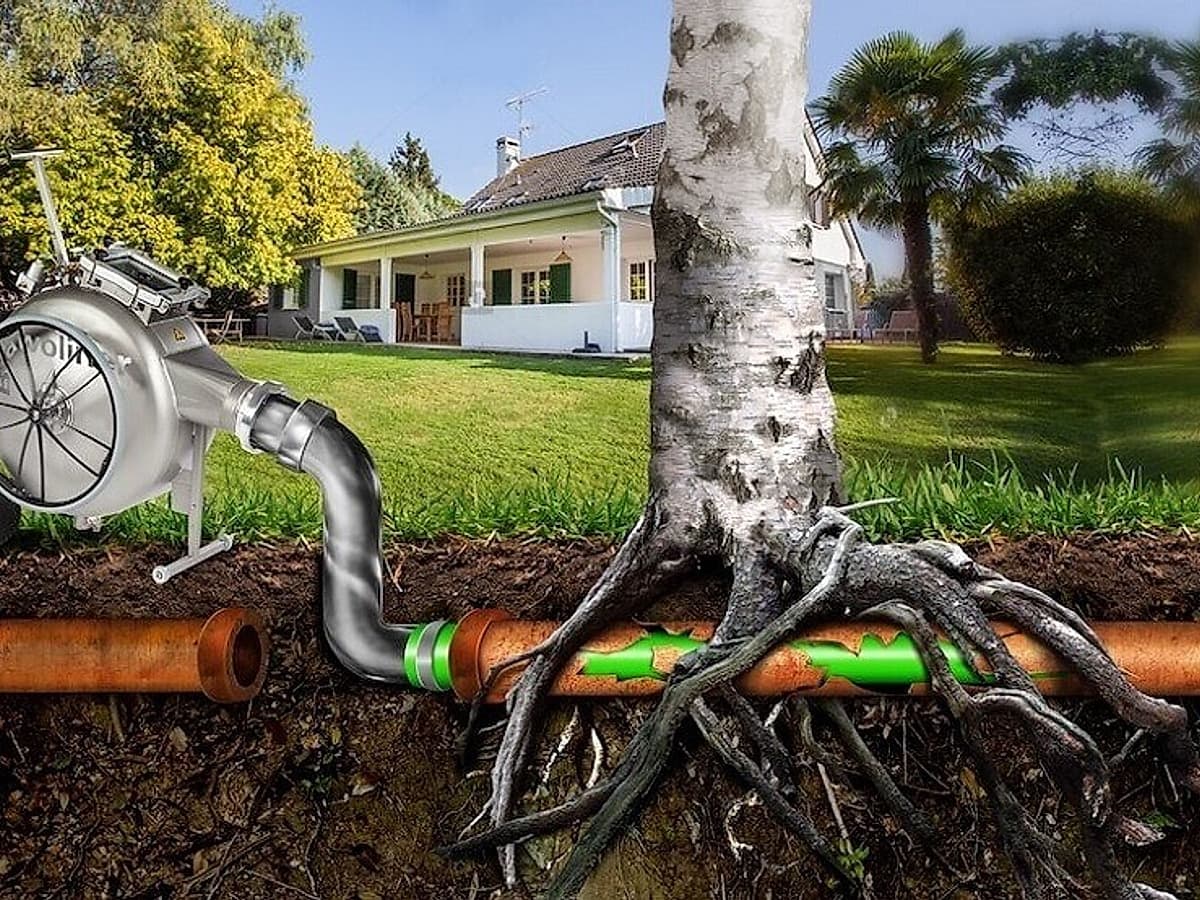
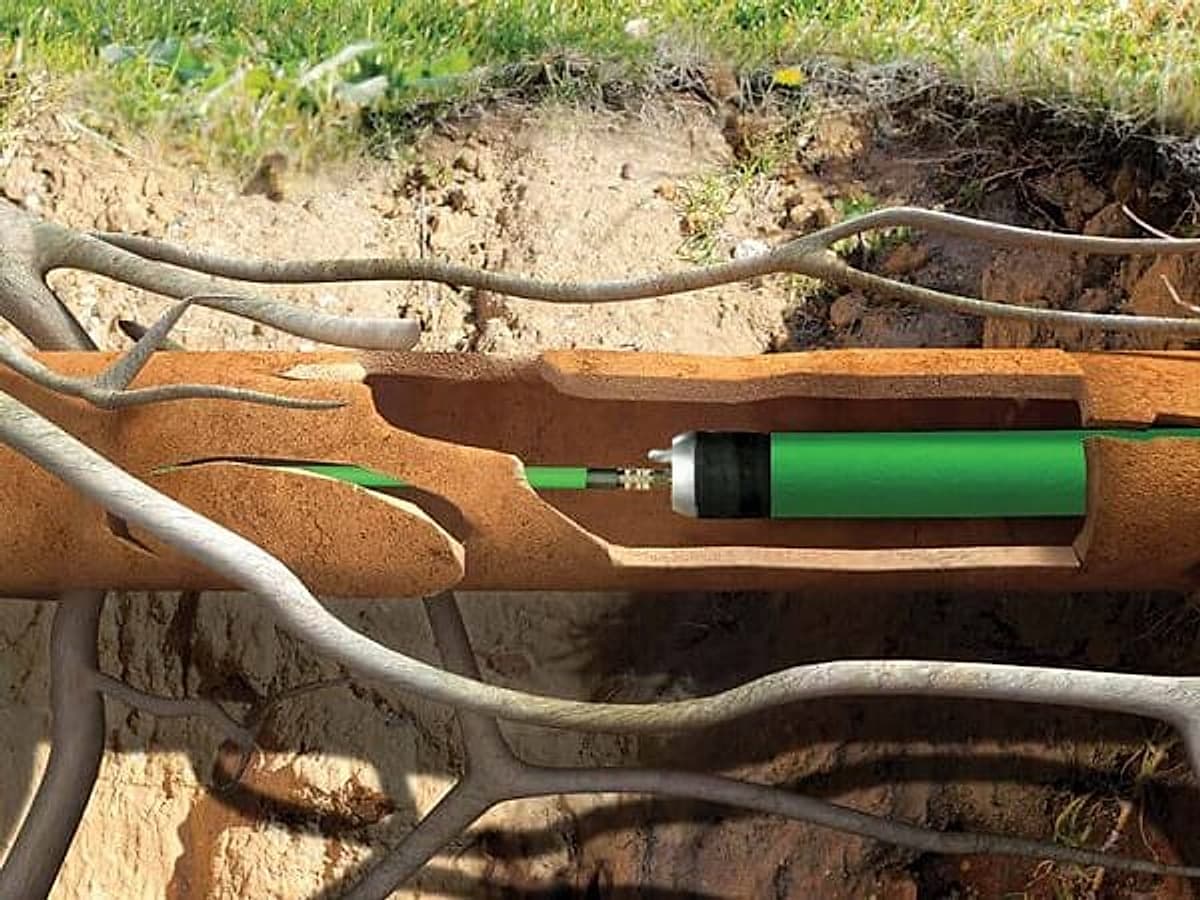
- Stage 4: Liner Installation and Positioning
- Stage 5: Curing Process and Hardening
- Stage 6: Junction Reinstatement and Final Verification
Each stage is critical to the success and longevity of the repair. Let's explore what happens during each step and why it matters.
Stage 1: Comprehensive CCTV Pipe Inspection and Assessment
Every successful pipe relining project begins with seeing exactly what's wrong. This stage provides the diagnostic foundation for everything that follows.
The Inspection Process
A specialized, high-definition CCTV camera mounted on a flexible push rod or crawler system is inserted into your pipes through an existing access point—typically a cleanout, inspection opening, or in some cases, directly through a toilet or drain opening.
As the camera travels through your pipes, it captures detailed video footage showing:
- Damage Type and Severity: Cracks, fractures, collapsed sections, offset joints, corrosion
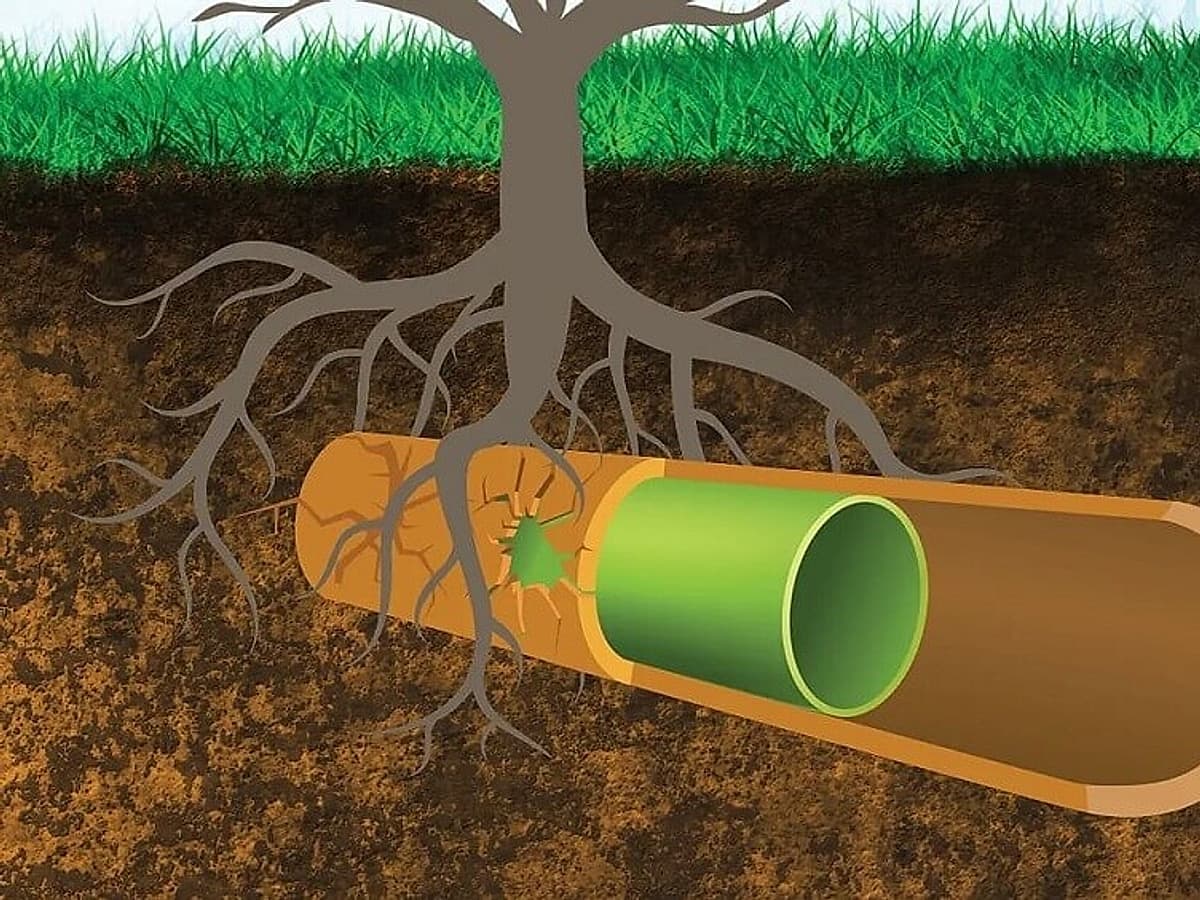
- Root Intrusion: Location and extent of tree root penetration
- Blockages: Built-up grease, sediment, foreign objects
- Pipe Material: Clay, cast iron, concrete, PVC, or other materials
- Pipe Diameter: Precise internal measurements
- Pipe Configuration: Bends, junctions, length, fall/gradient
- Overall Condition: Assessment of the entire pipe system
Why This Inspection is Crucial
The CCTV inspection serves multiple critical purposes:
- Confirms Suitability: Verifies that pipe relining is appropriate for your situation (it's suitable for 85-90% of damaged pipes)
- Identifies All Issues: Reveals problems you might not know about
- Provides Measurements: Exact lengths and diameters needed to order or prepare the correct liner
- Documents Condition: Creates "before" footage for comparison after relining
- Guides Strategy: Informs decisions about installation method, resin type, and curing approach
- Accurate Quoting: Allows for precise, fixed-price quotes with no surprises
What You Experience
During the inspection, you'll often watch the live camera feed on a monitor alongside the technician. Seeing your pipes' actual condition provides clarity and confidence in the proposed solution. The technician will explain what you're seeing and point out specific areas of concern.
The footage is recorded and becomes part of your service documentation. Reputable companies provide you with a copy, along with a detailed report noting specific problems and their locations (measured in meters from the inspection point).
Stage 2: High-Pressure Water Jetting and Pipe Preparation
Once the inspection confirms pipe relining is appropriate, the next critical step is thoroughly cleaning the pipes. This isn't ordinary drain cleaning—it's precision preparation that ensures the new liner bonds properly to the host pipe.
The Water Jetting Process
Professional hydro-jetting equipment delivers water at extremely high pressure (typically 3,000-4,000 PSI) through specialized nozzles designed for pipe cleaning. These nozzles come in various configurations:
- Penetrating Nozzles: Forward-facing jets break through heavy blockages
- Flushing Nozzles: Rear-facing jets clean pipe walls as the nozzle is pulled back
- Root-Cutting Nozzles: Specialized designs cut through and remove tree roots
- Chain Flails: Rotating chains break up hardened scale and deposits
- Scraping Attachments: Remove stubborn buildup from pipe walls
What Gets Removed
The high-pressure water jetting process removes everything that shouldn't be in your pipes:
- Years or decades of grease buildup
- Scale and mineral deposits
- Tree roots (cut flush with the pipe wall)
- Rust and corrosion debris
- Sediment and sludge
- Any existing blockages
- Biological growth
- Old pipe joint material
The goal is to expose clean pipe surfaces so the new epoxy liner can properly adhere. Any material left on the pipe walls could prevent proper bonding and compromise the installation.
Multiple Passes for Perfect Cleaning
Technicians typically make multiple passes through the pipe with different nozzle configurations:
- Pass 1: Break through blockages and cut major roots
- Pass 2: Remove loosened material and debris
- Pass 3: Final cleaning of pipe walls
- Verification: Camera inspection confirms cleanliness
This multi-pass approach ensures the pipe is thoroughly clean without damaging the host pipe structure.
Why This Step Takes Time
For heavily damaged or root-affected pipes, cleaning can take 1-2 hours or more. This isn't wasted time—it's the foundation of a successful, long-lasting repair. Rushing this stage compromises the entire project.
Stage 3: Liner Preparation and Resin Saturation
While the pipes are being cleaned (or immediately after), the liner that will become your new pipe is being carefully prepared.
Understanding the Liner Material
The liner itself is a flexible, felt-like tube made from fiberglass, polyester, or similar materials. In its un-saturated state, it's flexible and porous. The resin saturation transforms it into a rigid, structural pipe.
Liners are manufactured in various diameters to match different pipe sizes. For your specific job, the liner is:
- Selected to match your pipe's diameter
- Cut to the exact length needed (based on CCTV measurements)
- Quality-checked for any manufacturing defects
- Prepared for resin saturation
The Resin System
Most pipe relining uses two-part epoxy resin systems specifically engineered for pipe repair applications. These resins are designed to:
- Remain workable for a specific time window
- Fully saturate the liner material
- Cure at controlled temperatures
- Achieve high structural strength when cured
- Resist chemicals, corrosion, and roots
- Meet industry standards and certifications
Resin Mixing and Saturation
The two-part resin components are precisely mixed according to manufacturer specifications. Correct mixing ratios are critical—too much hardener and the resin cures too quickly; too little and it may not cure properly.
The mixed resin is then used to saturate the liner using one of several methods:
- Wet-Out Tables: Liner is laid flat and resin is applied and worked into the material
- Saturation Machines: Automated equipment ensures even, complete saturation
- Vacuum Impregnation: Vacuum draws resin through the liner for thorough saturation
The goal is complete, even saturation throughout the liner. Any dry spots or uneven saturation could create weak points in the finished pipe.
Time-Critical Preparation
Once mixed, the resin has a limited working window before it begins to cure. This window varies by resin type and temperature but is typically 1-3 hours. Experienced technicians coordinate timing so the saturated liner is installed during its optimal handling window—after sufficient saturation but before premature curing begins.
Stage 4: Liner Installation and Positioning
This is the most critical stage—where the prepared liner is installed into your pipes and positioned precisely where it needs to be.
Installation Methods
Two primary installation methods are used, chosen based on your specific pipe configuration:
Inversion Method (CIPP - Cured-In-Place-Pipe)
The inversion method is most common for longer runs and standard configurations:
- Setup: The resin-saturated liner is loaded into an inversion tower or drum
- Inversion Begins: Water or air pressure is applied, causing the liner to invert (turn inside-out)
- Progressive Installation: The inverting liner progressively travels through the pipe, pushed by the pressure
- Wall Contact: As it inverts, the liner presses firmly against the host pipe walls
- Full Positioning: The liner continues inverting until it completely fills the required length
- Pressure Maintained: Pressure holds the liner in place while curing begins
The beauty of inversion is that it's self-feeding—the pressure that inverts the liner also pushes it into place. It can navigate bends up to 90 degrees and adapts to pipe irregularities.
Pull-In Method
For certain configurations (very long runs, larger diameters, specific access situations):
- Setup: A winch cable is passed through the pipe to the exit point
- Liner Attachment: The resin-saturated liner is attached to the winch cable
- Pulling: The liner is pulled through the pipe from entry to exit
- Expansion: Once in position, water or air pressure expands the liner against the pipe walls
- Pressure Maintained: Pressure holds it in place during curing
Navigating Bends and Junctions
Modern pipe relining handles complex pipe configurations remarkably well:
- Bends up to 45°: Navigate easily with either method
- Bends up to 90°: Can be lined with careful technique
- Multiple Bends: Consecutive bends are manageable in most cases
- Junctions: The main line is lined continuously; junction openings are reinstated afterward
Pressure Application and Monitoring
Once positioned, the liner is held under pressure (typically 5-10 PSI for water pressure, or controlled air pressure):
- Ensures complete contact with the host pipe
- Presses the liner into any irregularities or damage
- Prevents the liner from moving during curing
- Creates the shape of the finished pipe
Technicians continuously monitor pressure during installation and throughout curing to ensure it remains within specifications.
Stage 5: Curing Process and Hardening
The curing stage transforms the flexible, resin-saturated liner into a hard, structural pipe. This chemical process (polymerization) is carefully controlled for optimal results.
Curing Methods
Hot Water Cure (Most Common)
Hot water curing is the most widely used method for residential pipe relining:
- Equipment: A hot water boiler heats water to 160-180°F (70-80°C)
- Circulation: Hot water circulates through the liner, providing even heating
- Temperature Control: Digital controls maintain precise temperature
- Duration: Typically 3-4 hours depending on liner thickness and resin type
- Monitoring: Technicians monitor temperature throughout the cure
Hot water curing provides reliable, consistent results and has been proven over decades of use.
Steam Cure
Steam curing offers faster cure times:
- Equipment: Steam generator produces controlled steam
- Rapid Heating: Steam transfers heat very efficiently
- Duration: Typically 2-3 hours
- Advantages: Faster than hot water, excellent temperature control
Ambient Cure
Some resin systems cure at ambient temperature:
- Process: Natural curing without heat application
- Duration: 12-24 hours (overnight)
- When Used: Situations where time isn't critical, certain resin formulations
- Advantages: No curing equipment needed
UV Light Cure
Advanced UV curing offers the fastest cure times:
- Equipment: UV light train travels through the liner
- Process: UV light triggers rapid polymerization
- Duration: 1-2 hours (fastest method)
- Control: Light intensity and speed control cure rate
- Applications: Ideal for certain pipe configurations and applications
What Happens During Curing
At the molecular level, curing is a chemical reaction where:
- Resin molecules link together (polymerization)
- The liquid resin transforms to a solid
- Chemical bonds create structural strength
- The liner becomes rigid and self-supporting
- Final material properties are achieved
The cured liner becomes a structural pipe in its own right, not simply a coating. It meets or exceeds the strength of new PVC pipes.
Quality Control During Curing
Professional technicians monitor several parameters:
- Temperature: Must remain within specified range
- Time: Must cure for the full required duration
- Pressure: Must maintain constant pressure throughout
- Visual Checks: Monitor equipment for any issues
Proper curing is essential for the liner to achieve its full strength and longevity. This is why rushing the curing process is never acceptable—it compromises the entire installation.
Stage 6: Junction Reinstatement and Final Verification
After curing is complete and the liner has hardened into a solid pipe, several final steps ensure a perfect, functional result.
Equipment Removal
First, all installation equipment is removed:
- Pressure bladders or inversion equipment
- Curing apparatus (hot water boilers, steam generators, etc.)
- Any temporary seals or plugs
The cured liner now stands independently as a complete pipe.
Junction Reinstatement
During installation, the liner covered any junction points where branch lines connect to the main pipe. These must be reopened:
- Location: CCTV inspection identifies exact junction locations
- Robotic Cutting: A robotic cutter with a camera navigates to each junction
- Precision Cutting: The cutter precisely removes the liner material covering the junction opening
- Clean Edges: Cutters create smooth, clean edges at junction interfaces
- Verification: Camera confirms each junction is properly opened
Modern robotic cutters are precise and efficient, completing junction reinstatement quickly.
End Trimming
The liner ends are trimmed flush at connection points:
- At the entry point (cleanout, inspection opening)
- At the exit point or connection to the main sewer
- Any other termination points
This creates clean, professional connections and ensures proper flow into and out of the relined section.
Final CCTV Inspection
A comprehensive camera inspection documents the completed work:
- Visual Verification: Confirms the liner is perfectly installed
- Smooth Surface: Shows the seamless interior of the new pipe
- Junction Openings: Verifies all junctions are properly reinstated
- Full Length: Inspects the entire relined section
- Documentation: Creates "after" footage showing the completed repair
This final inspection is incredibly satisfying—seeing the dramatic transformation from damaged, deteriorated pipes to a smooth, perfect new pipe interior.
Water Flow Testing
Before declaring the job complete, flow testing confirms everything works perfectly:
- Water is run through the system
- Flow rate and drainage are verified
- All connections are checked for proper operation
- Any issues are immediately addressed
Site Cleanup and Restoration
Final cleanup ensures your property is left in excellent condition:
- All equipment is removed from the site
- Work areas are cleaned
- Access points (cleanouts, inspection openings) are properly closed
- Any minor disruption is restored
- The site is left clean and professional
Documentation and Warranty
You receive comprehensive documentation:
- Before and after CCTV footage (usually on USB drive or via digital delivery)
- Written report detailing work performed
- Warranty documentation (typically 50 years)
- Care and maintenance recommendations
- Contact information for any future questions
Quality Assurance Throughout the Process
Professional pipe relining companies implement quality control at every stage:
Material Quality
- Premium epoxy resins from reputable manufacturers
- High-quality liner materials
- Materials that meet industry standards and certifications
- Proper storage and handling of materials
Process Quality
- Trained, certified technicians
- Adherence to manufacturer specifications
- Proper equipment calibration and maintenance
- Following proven procedures
- Multiple verification steps
Final Result Quality
- CCTV verification of installation perfection
- Flow testing confirms proper operation
- Documentation proves quality
- Comprehensive warranty backs the work
What Makes the Process Different from Traditional Replacement
Comparing the pipe relining process to traditional dig-and-replace highlights why this modern method is superior:
Traditional Replacement Process
- Mark pipe locations (guesswork involved)
- Excavate trenches (heavy machinery, property damage)
- Remove old pipes (labor-intensive, messy)
- Dispose of old materials (landfill waste)
- Install new pipes (section by section with joints)
- Backfill trenches (compaction required)
- Restore surfaces (concrete, paving, landscaping)
- Wait for concrete to cure
- Final landscape restoration
Time: 1-3 weeks minimum
Disruption: Massive—your property becomes a construction site
Pipe Relining Process
- CCTV inspection (precise diagnosis)
- Clean pipes (from inside, no digging)
- Install liner (through existing access points)
- Cure liner (while pipes are in place)
- Final verification (camera confirms perfection)
Time: 1 day typically
Disruption: Minimal—property remains intact
Common Questions About the Process
Can I watch the process?
You're welcome to observe the CCTV inspections and ask questions about the work. However, during active installation and curing, technicians need to focus on the work. Most property owners review the final footage, which clearly shows the before and after condition.
What if something goes wrong during installation?
Experienced technicians anticipate and prevent issues. If an unexpected problem arises (extremely rare), they'll explain the situation and the solution. Reputable companies stand behind their work—if there's any issue with the installation, they'll make it right.
How do you know the liner is properly cured?
Technicians monitor time and temperature throughout curing, ensuring the resin reaches full cure according to manufacturer specifications. The final CCTV inspection visually confirms the liner is properly hardened.
What happens to the damaged old pipe?
The original host pipe remains in place, serving as a protective shell around the new liner. The liner becomes the functional pipe, while the host pipe protects it from external forces. This composite structure is actually stronger than either element alone.
Why the Process Matters: Long-Term Success
The systematic, quality-controlled pipe relining process isn't just about getting the work done—it's about ensuring the repair lasts 50+ years. Each stage is engineered based on decades of experience and countless installations worldwide.
When you choose professional pipe relining from experienced specialists, you're getting:
- Proven processes refined over decades
- Quality materials from reputable manufacturers
- Trained technicians who know the importance of each step
- Equipment specifically designed for pipe relining
- Quality control at every stage
- Documentation that proves quality
- Warranties that demonstrate confidence
The P24 Pipe Relining Process
At P24 Pipe Relining Sydney, we've perfected every aspect of the pipe relining process through years of experience and thousands of successful installations. Our systematic approach ensures:
- Thorough Assessment: We never skip the CCTV inspection—it's the foundation of quality work
- Complete Preparation: We take the time needed for proper cleaning, ensuring optimal liner adhesion
- Quality Materials: We use only premium epoxy resin systems with proven track records
- Skilled Installation: Our experienced technicians execute each stage with precision
- Proper Curing: We never rush—the liner cures for the full required time
- Complete Verification: Final CCTV inspection and testing confirm perfect results
- 50-Year Warranty: We back every installation with a comprehensive warranty
If you're considering pipe relining for your Sydney property, understanding the process helps you appreciate why it's become the preferred solution for pipe repair. The combination of advanced technology, quality materials, proven procedures, and skilled execution delivers results that last decades.
Contact P24 Pipe Relining Sydney today for a free CCTV inspection and consultation. We'll show you exactly what's happening in your pipes and explain how our systematic process will solve your drainage problems permanently—with minimal disruption and maximum quality.