What Is Pipe Relining?
Learn what pipe relining is, how it repairs a line from within, and why CCTV and preparation matter before anyone commits to the repair.
Short answer
Pipe relining is a trenchless repair method that restores a damaged pipe from within the existing line after CCTV, cleaning, and suitability checks have confirmed the section can be lined safely.
P24 Pipe Relining Sydney
5 min read
Key Takeaways
- Pipe relining repairs a damaged line from within the existing pipe run
- The process starts with CCTV and line preparation
- The method is most useful when excavation would spread beyond the failed section
What is pipe relining? In 2026, the simplest answer is that it is a trenchless repair method that restores a damaged pipe from within the existing line. Instead of opening the full run, the damaged section is inspected, prepared, lined internally, and checked again before handover.
That answer matters because many Sydney property owners first hear about relining after recurring blocked drains, CCTV footage, or a repair recommendation. The term can sound technical, but the core idea is practical: if the line is suitable, the repair happens inside the pipe rather than by digging out the whole run.
What Is Pipe Relining?
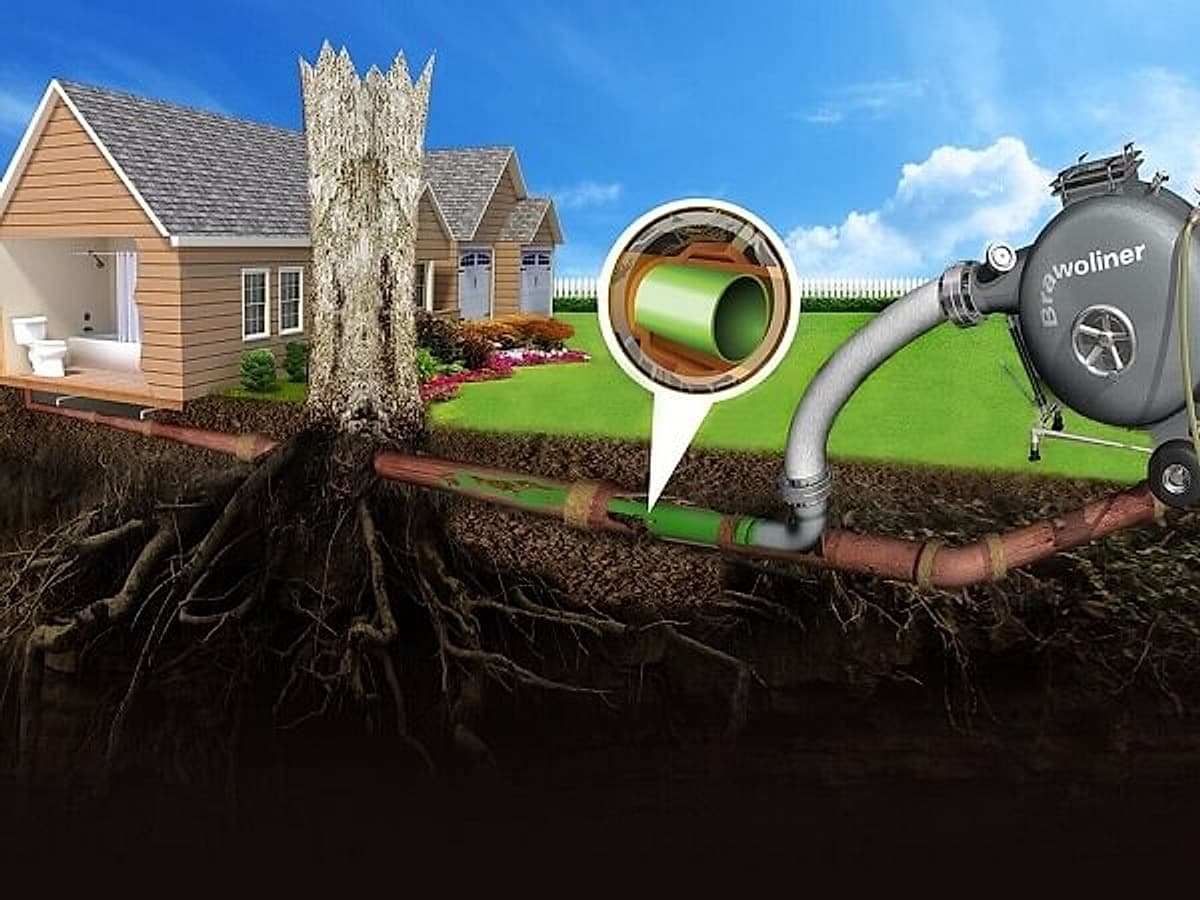
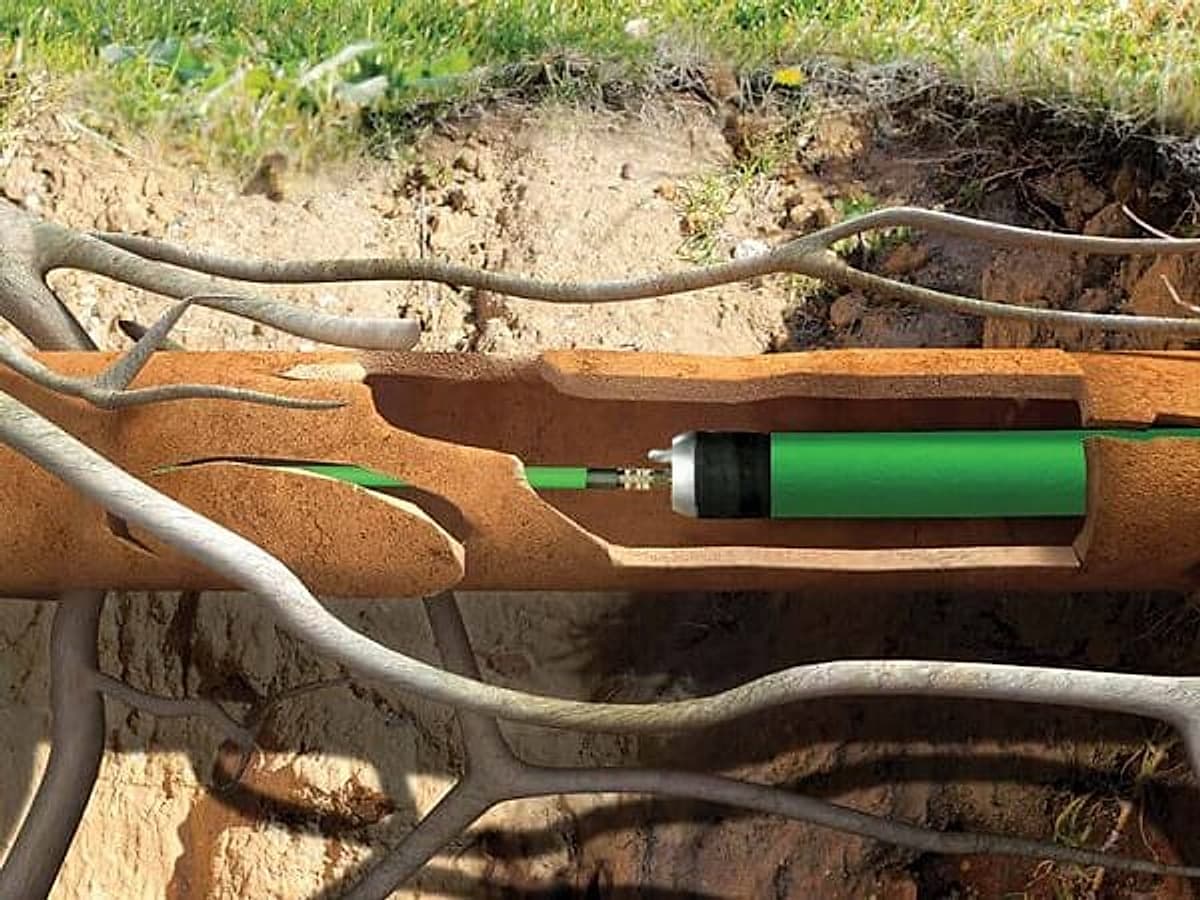
Pipe relining is a trenchless pipe repair method that creates a new internal lining inside an existing damaged pipe. The line is first inspected and prepared, then a liner is installed through the approved section and cured in place so the damaged run can be restored from within.
What Pipe Relining Is Not
It also helps to be clear about what relining is not.
Pipe relining is not:
- a shortcut around proper diagnosis
- something booked from symptoms alone
- the right answer for every damaged pipe
- a substitute for cleaning or preparation when the line still needs that work
This matters because people often hear "no dig" and assume the method automatically fits. It does not. The pipe still has to be suitable to reline safely.
How The Method Usually Works
The practical sequence is fairly simple.
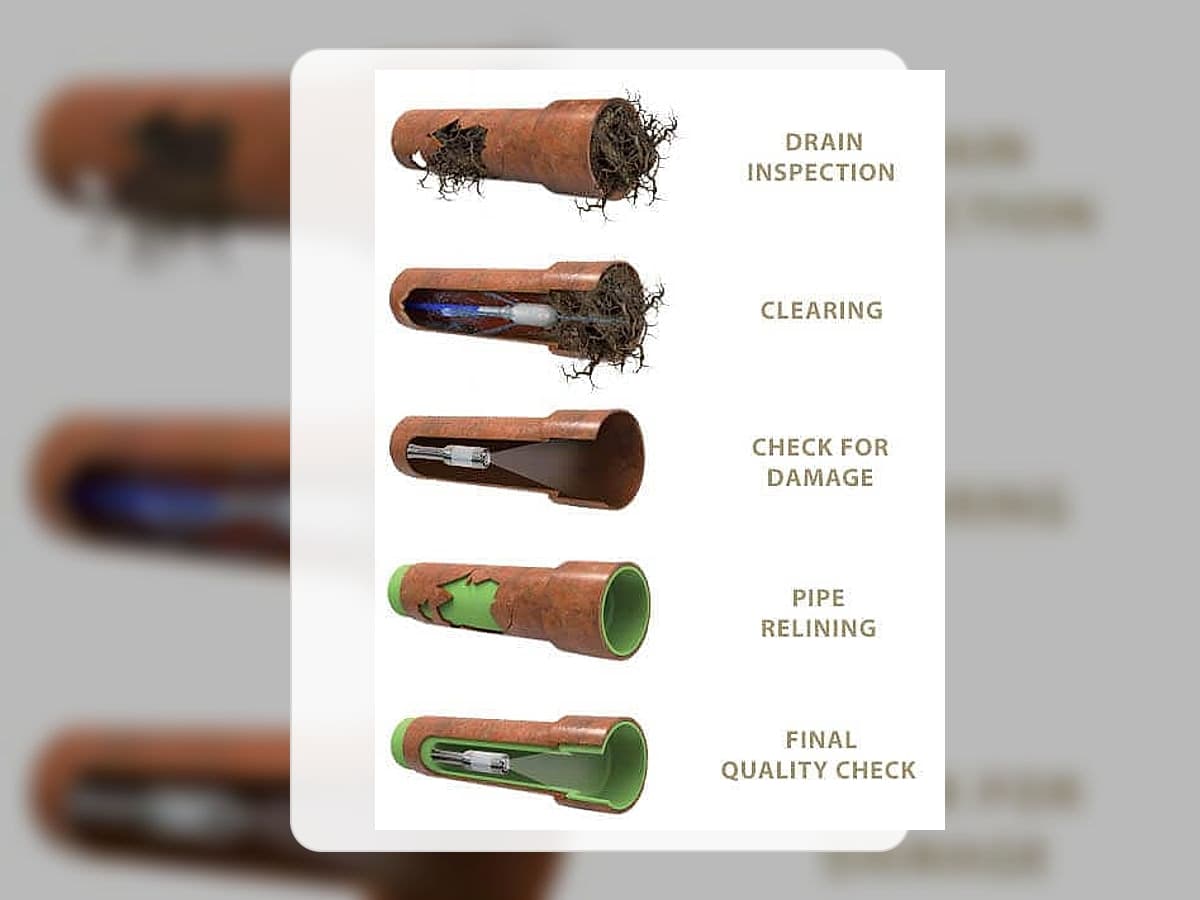
- inspect the line on camera
- identify the damaged section
- clean and prepare the host pipe
- install the liner through the approved section
- cure the liner in place
- re-check the finished result
That is the basic process behind Pipe Relining Sydney. Each stage matters because the repair decision depends on the condition of the actual line, not just the symptom above ground.
Why Property Owners Ask About Pipe Relining
Most people do not start with the question "what is pipe relining?" They start with a drainage problem.
Common triggers include:
- recurring blocked drains
- CCTV footage showing cracks or failed joints
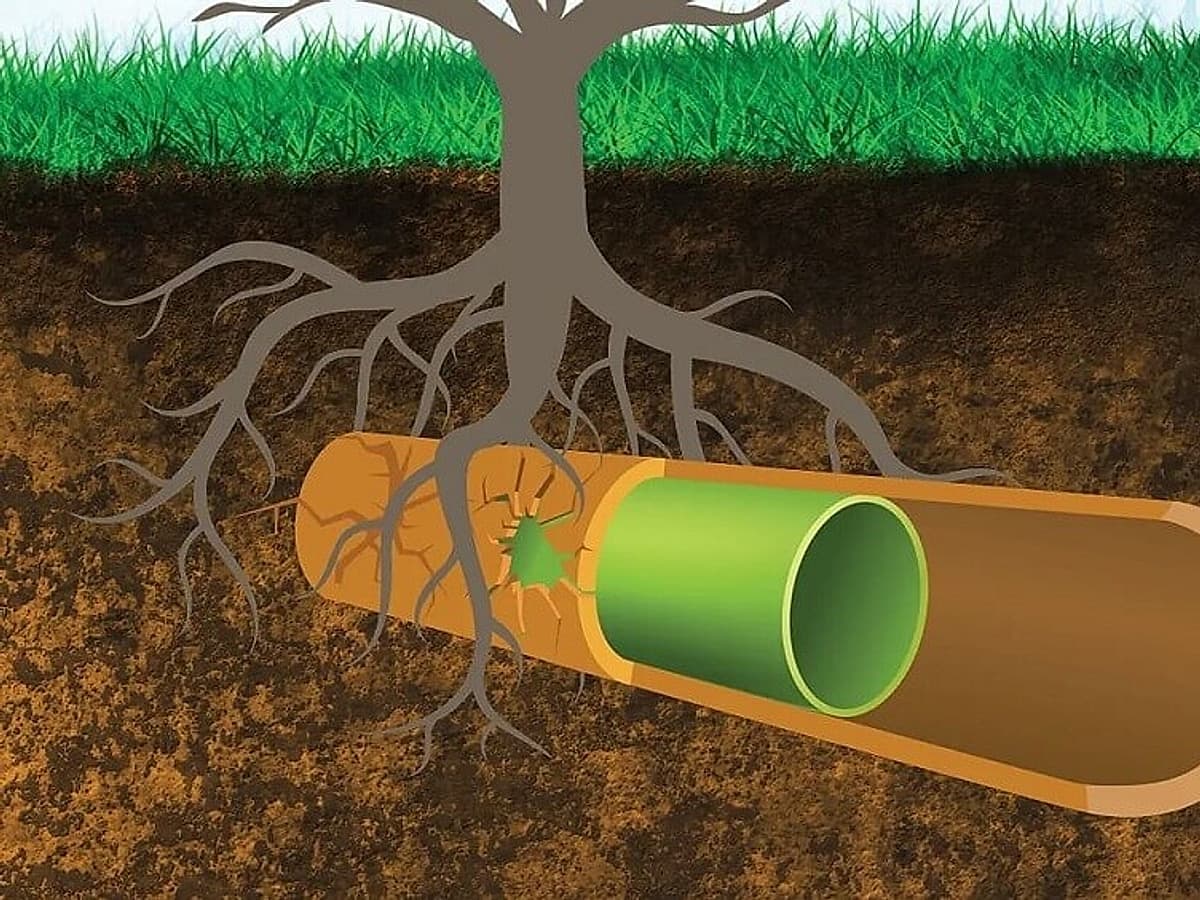
- root entry that keeps returning
- a damaged line under a driveway, slab, or garden
- a repair decision where open excavation feels broad for the size of the fault
Once those issues show up, relining becomes relevant because it may offer a repair path that stays focused on the damaged section.
Where Pipe Relining Is Commonly Used
Pipe relining is often considered on:
- sewer lines
- stormwater lines
- drain lines affected by roots or wear
- sections under built or landscaped areas
- some shared drainage runs in strata and commercial properties
The use case still depends on the footage. One stormwater defect may be suitable to line, while another may need a different repair path. One sewer line may be a clean relining job, while another may be too collapsed to restore from within.
Why CCTV Matters So Much
If you only remember one part of the answer, it should be this: CCTV is what turns pipe relining from an idea into a real decision.
A CCTV drain inspection helps confirm:
- where the defect sits
- whether the line is blocked, cracked, or worn
- how much preparation is needed
- whether the host pipe still looks suitable to line
Without that step, most relining discussions are still guesses.
Why Preparation Comes Before The Liner
People often focus on the liner itself, but the liner is only one part of the job.
If the line is full of roots, grease, scale, or debris, it usually needs preparation before the damaged section can be assessed clearly or lined properly. That is why some jobs move through blocked drain work or cleaning before the relining scope is finalised.
The host pipe has to be ready for the repair. That is one reason the method often sits inside a bigger repair sequence rather than as a one-step solution.
When Pipe Relining Can Be A Strong Fit
Pipe relining is often worth checking when:
- the line is damaged but still holds enough shape to restore from within
- the defect sits under areas where excavation would be disruptive
- the issue keeps returning because of structural faults in the pipe
- the owner wants a repair path with lower surface impact than full replacement
This is where relining tends to make the most sense in practice.
When Pipe Relining May Not Fit
It may not be the right method when:
- the pipe is fully collapsed
- the run cannot be prepared properly
- the layout or access makes lining impractical
- the repair scope requires broader changes than restoring the existing run
That is not a weakness in the method. It is just the difference between a pipe that can be restored from within and a pipe that cannot.
Why Sydney Properties Ask About It So Often
Sydney properties often raise the question because access can be awkward. Drainage lines regularly run under driveways, paths, gardens, slabs, and established homes. When a damaged section sits in those areas, the owner usually wants to know whether the repair can stay more contained.
That local context is part of why relining stays relevant. The method is not only about the pipe. It is about the pipe and the site around it.
What To Ask If You Are Considering Pipe Relining
If you are comparing repair options, these questions are useful:
- has the line been inspected properly?
- what defect did the camera find?
- what section is actually being repaired?
- what preparation is needed first?
- is the host pipe suitable to restore from within?
If those answers are still unclear, the process usually needs to move back to diagnosis before a repair can be approved.
The Bottom Line
What is pipe relining? It is a trenchless repair method that restores a damaged pipe from inside the existing line after inspection, preparation, installation, curing, and final verification.
For property owners, the practical value is simple. If the line is suitable, the repair can often stay more focused on the damaged section and the property above it may face less disruption than an open replacement job. The real decision always starts with the footage.
Next step
Need to confirm what the line is actually doing?
If the blockage keeps returning or the cause is still unclear, start with the footage and the condition of the line before anyone guesses at the repair path. The most relevant service after this guide is usually Pipe Relining Sydney.
Related services
Sydney coverage
Need a local pipe relining page after this guide?
Start with the Sydney locations hub if you want region and suburb guidance, then move into the area that matches the property.
Pipe Relining Sydney Locations
Start with the Sydney locations hub, then move into the right region.
Open pagePipe Relining Eastern Suburbs
Browse local pipe relining guidance for the Eastern Suburbs.
Open pagePipe Relining Inner West
See pipe relining services and completed work across the Inner West.
Open pagePipe Relining North Shore
See pipe relining services across the North Shore.
Open page
P24 Pipe Relining Sydney
Sydney's Pipe Relining Specialists
Sydney pipe relining and drain repair specialists with more than 20 years of experience, German Brawoliner equipment, clear quotes, and a 25-year warranty on eligible relining work.