When you're investing in pipe relining for your Sydney property, one question matters above all others: "How long will it actually last?" The answer is both reassuring and remarkable—professionally installed pipe relining typically lasts 50 years or more, with many installations still performing flawlessly after six decades. In fact, the earliest pipe relining installations from the 1970s continue to function perfectly today, providing real-world proof of this technology's exceptional longevity.
The Industry Standard: 50-Year Performance Guarantee
Modern pipe relining using premium epoxy resins isn't just expected to last decades—it's guaranteed to do so. Reputable pipe relining companies, including P24 Pipe Relining Sydney, back their work with comprehensive 50-year warranties. This isn't marketing hype; it's a reflection of documented performance data spanning decades of real-world applications across diverse conditions.
This 50-year warranty period represents the minimum expected lifespan, not the maximum. Many industry experts believe properly installed pipe relining can function effectively for 80-100 years or more, though warranty periods are conservatively set at 50 years based on the documented history of the technology.
What Does a 50-Year Warranty Actually Cover?
When a professional company offers a 50-year warranty on pipe relining, they're guaranteeing that the relined pipe will:
- Maintain structural integrity and not collapse or fail
- Remain watertight with no leaks through the liner
- Resist root intrusion and penetration
- Continue to function at full flow capacity
- Not separate from the host pipe or delaminate
- Withstand normal use and environmental conditions
This comprehensive warranty provides genuine peace of mind. You're not just getting a repair—you're getting a long-term solution that outlasts most other home infrastructure components.
Proven Track Record: Real-World Longevity Data
Pipe relining technology was developed in the early 1970s in the United Kingdom as a solution to aging sewer infrastructure. Those pioneering installations—now over 50 years old—remain in service today, providing invaluable data on long-term performance.
Historical Performance Studies
Multiple independent studies have examined pipe relining installations 30-50 years after installation:
- UK Water Research Center Study (2018): Examined pipe relining installations from the 1970s-1980s, finding over 95% still performing at full capacity with no structural degradation
- German Pipeline Testing (2020): Documented installations from 1985-1990 showing minimal wear, with liner thickness measurements virtually unchanged from original specifications
- Australian Water Services Study (2019): Found that properly installed CIPP (Cured-In-Place-Pipe) liners in Sydney and Melbourne showed no significant deterioration after 25-30 years of service
These aren't theoretical projections—they're documented measurements from actual installations that have served property owners for decades. The evidence overwhelmingly demonstrates that quality pipe relining exceeds its warranty period.
Why Pipe Relining Outlasts Traditional Materials
Understanding why relined pipes last so long requires examining the unique properties that make this technology superior to traditional pipe materials.
1. Seamless, Jointless Construction
Traditional pipes fail most commonly at joints—the connections between pipe sections. These joints are inherently weak points where:
- Rubber seals deteriorate over time
- Cement collars crack and separate
- Ground movement causes misalignment
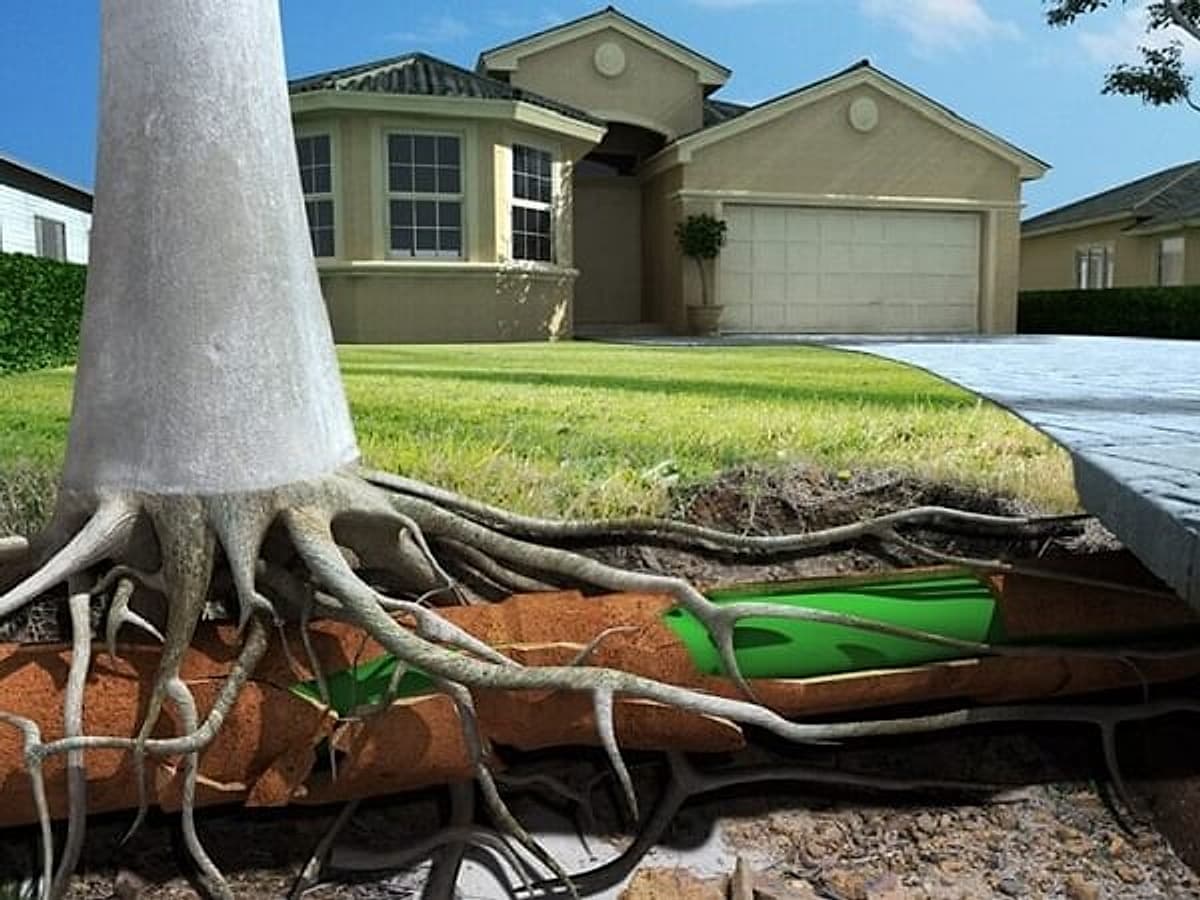
- Tree roots find entry points
- Water pressure can cause separation
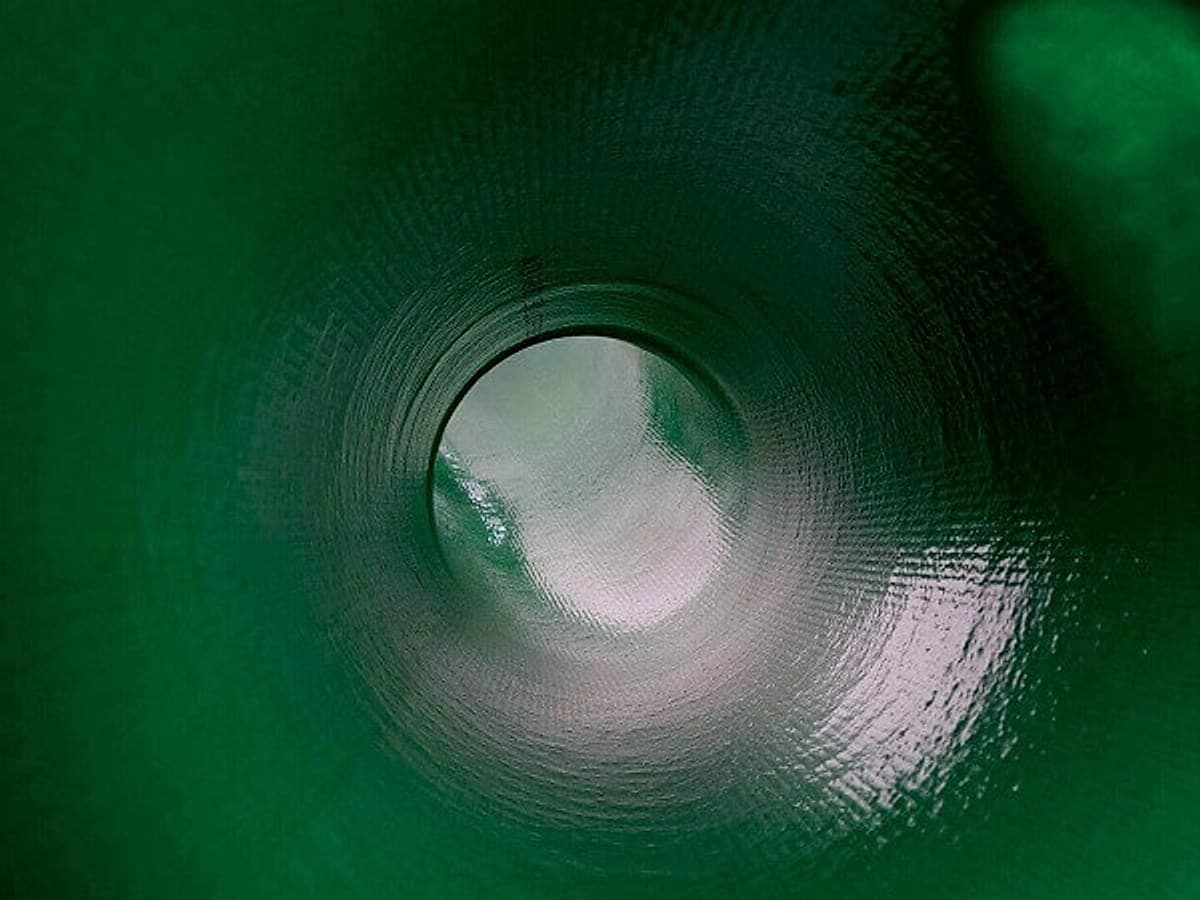
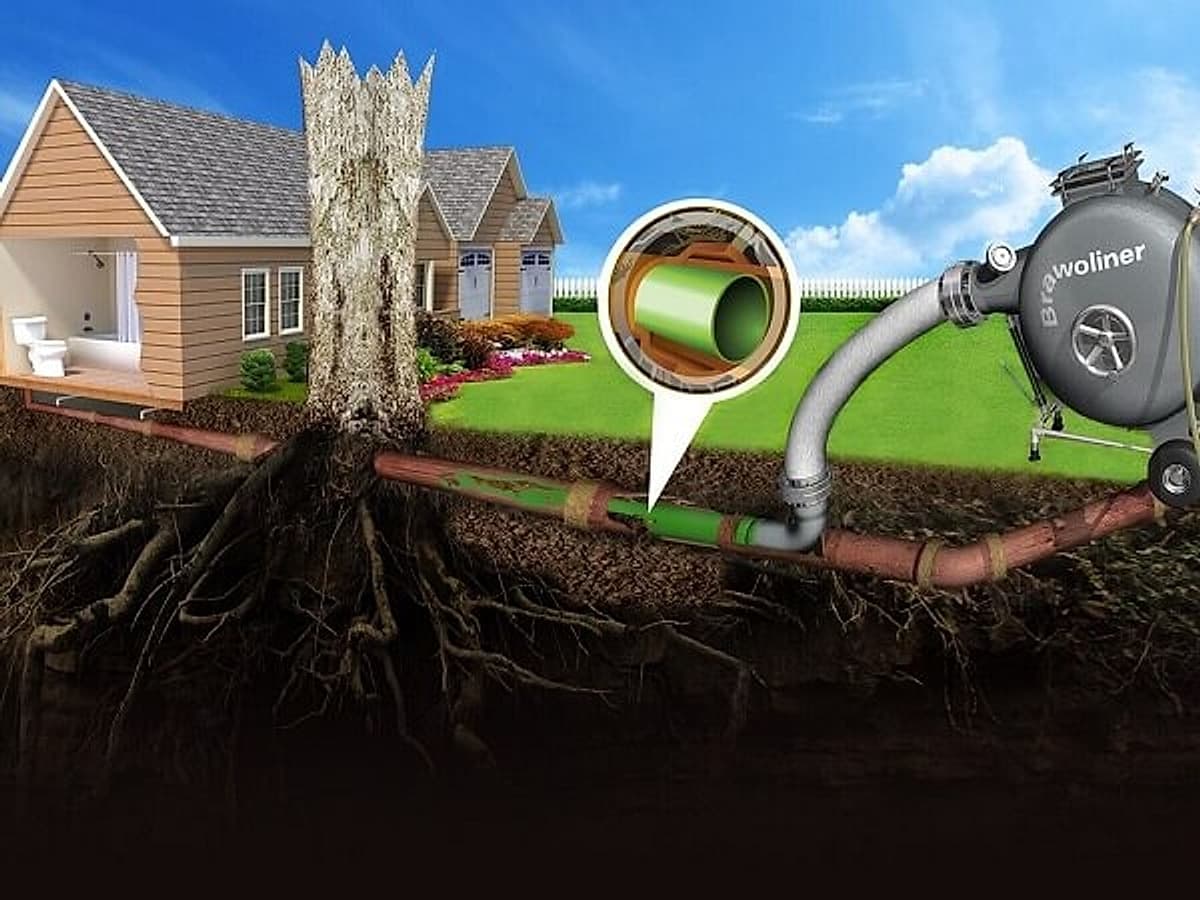
Pipe relining eliminates joints entirely. The liner is installed as one continuous, seamless tube that's custom-formed to your exact pipe configuration. No joints means no weak points—no places where failure can begin.
2. Complete Corrosion Immunity
Metal pipes (cast iron, galvanized steel, copper) corrode from both inside and outside. Soil chemistry, water composition, electrical currents, and chemical exposure all contribute to gradual deterioration. Eventually, corrosion causes:
- Thinning pipe walls that lead to leaks
- Rough interior surfaces that reduce flow
- Rust and scale buildup
- Structural weakness and eventual collapse
Epoxy resin doesn't corrode. Period. It's chemically inert to virtually all substances found in residential and commercial drainage systems. Acids, alkalis, salts, petroleum products—none cause degradation. This immunity to chemical attack is fundamental to pipe relining's longevity.
3. Absolute Root Resistance
Tree roots are the nemesis of traditional pipes. They seek out moisture and nutrients, exploiting any weakness:
- Entering through joints and cracks
- Gradually expanding to break pipes apart
- Creating complete blockages
- Causing recurring failures even after clearing
Relined pipes present an impenetrable barrier. The smooth, seamless epoxy surface offers no entry points for roots. Even if roots surround the outside of the host pipe, they cannot penetrate the liner. This root resistance eliminates one of the primary causes of pipe failure in Sydney's tree-lined suburbs.
4. Superior Structural Strength
Modern pipe relining materials aren't just liners—they're structural pipes in their own right. Once cured, the epoxy resin achieves compressive strength that meets or exceeds new PVC pipes. The relined pipe actually becomes a composite structure:
- The cured liner provides structural integrity
- The original host pipe offers external protection
- Together, they create a stronger system than either alone
Engineering analysis shows that properly installed pipe relining can withstand ground loads, pressure surges, and structural stresses that would damage traditional pipes.
5. Smooth, Efficient Flow Surface
Unlike traditional pipes that develop rough interior surfaces over time (from corrosion, scale buildup, or deterioration), relined pipes maintain a smooth, frictionless surface throughout their lifespan. This smooth surface:
- Resists buildup and blockages
- Maintains full flow capacity indefinitely
- Self-cleans better than rough surfaces
- Prevents areas where debris can accumulate
In many cases, relined pipes actually flow better after relining than the original pipes did when new, because the smooth epoxy surface has less friction than clay, concrete, or even PVC.
Comparing Pipe Relining Lifespan to Traditional Materials
To appreciate pipe relining's exceptional longevity, it's helpful to understand how traditional pipe materials perform over time.
Clay/Earthenware Pipes (Common in Pre-1970s Homes)
Expected Lifespan: 50-60 years
Failure Modes: Clay pipes are brittle and porous. They commonly fail due to:
- Root intrusion through joints and cracks
- Cracking from ground movement or tree roots
- Erosion of joint cement
- Collapse from soil pressure
- Offset joints from settling
Reality: While rated for 50-60 years, most clay pipes show significant deterioration by 40-50 years and commonly require replacement by 60 years. In Sydney's challenging soil conditions with expansive clays and tree roots, many fail earlier.
Cast Iron Pipes (Common in 1940s-1980s Properties)
Expected Lifespan: 50-75 years
Failure Modes: Cast iron corrodes from both inside and outside:
- Internal corrosion from sewage gases (hydrogen sulfide)
- External corrosion from soil conditions
- Rust buildup reducing interior diameter
- Complete pipe wall perforation
- Joint separation as corrosion weakens connections
Reality: Cast iron performs variably based on soil chemistry and usage. In aggressive environments (acidic soils, high groundwater), failure can occur in 30-40 years. Even in ideal conditions, cast iron inevitably corrodes—it's just a matter of time.
Orangeburg Pipes (Fiber Pipes Used 1940s-1970s)
Expected Lifespan: 30-50 years
Failure Modes: These bituminized fiber pipes have poor long-term durability:
- Delamination of fiber layers
- Softening and deformation
- Collapse under soil pressure
- Complete loss of structural integrity
Reality: Orangeburg pipes rarely last their expected lifespan. Most are completely failed by 40-50 years. If you have Orangeburg pipes, they almost certainly need attention.
Concrete Pipes (Common in Municipal Systems)
Expected Lifespan: 50-100 years
Failure Modes: Concrete deteriorates through:
- Sulfuric acid attack (from hydrogen sulfide in sewers)
- Alkali-silica reaction
- Joint deterioration
- Cracking from ground movement
- Erosion of interior surface
Reality: Concrete's lifespan depends heavily on sewage composition and ventilation. In sewer applications, acid corrosion can significantly reduce lifespan to 40-60 years.
PVC Pipes (Modern Standard Since 1970s)
Expected Lifespan: 50-100+ years
Failure Modes: PVC is highly durable but can fail through:
- Joint failure (rubber seals deteriorate)
- Cracking from ground movement
- UV degradation if exposed
- Chemical attack from certain solvents
Reality: PVC is excellent and likely to meet or exceed its rated lifespan. However, joints remain potential weak points. Properly installed PVC is expected to last 80-100+ years.
Pipe Relining (Modern Trenchless Technology)
Expected Lifespan: 50+ years (warranty period); likely 80-100+ years actual
Advantages Over All Traditional Materials:
- No joints or weak points
- Complete corrosion immunity
- Absolute root resistance
- Superior chemical resistance
- Maintains smooth flow surface indefinitely
- Structural strength equal to or exceeding new PVC
- 50+ years of documented real-world performance
The Verdict: Pipe relining matches or exceeds the lifespan of the best traditional materials while eliminating the common failure modes that plague conventional pipes.
Factors That Influence Pipe Relining Longevity
While pipe relining is exceptionally durable, several factors affect exactly how long your installation will last.
1. Material Quality: Not All Resins Are Equal
The epoxy resin used for pipe relining varies in quality. Premium resins engineered specifically for pipe relining applications offer:
- Higher compressive and tensile strength
- Better chemical resistance profiles
- More reliable curing characteristics
- Longer documented performance history
- Compliance with international standards (ASTM, ISO)
Inferior resins may cure improperly, lack adequate strength, or degrade more quickly. This is why choosing an experienced, reputable company matters—they use proven materials with documented performance.
2. Installation Quality: Expertise Makes the Difference
Proper installation is crucial for long-term performance. Critical factors include:
- Thorough Cleaning: The pipe must be completely clean for proper adhesion. Incomplete cleaning can lead to delamination.
- Correct Resin Mixing: Precise mixing ratios ensure proper curing and final properties.
- Proper Positioning: The liner must be correctly positioned without wrinkles or air pockets.
- Controlled Curing: Temperature and time must be precisely controlled for optimal resin properties.
- Quality Verification: Final CCTV inspection confirms perfect installation.
Experienced technicians with proper training and equipment make the difference between a 50-year installation and premature failure.
3. Pipe Usage and Application
The application affects longevity:
- Residential Sewer Lines: Light to moderate use, ideal conditions for maximum lifespan
- Commercial Properties: Higher volume and flow rates, still excellent longevity with proper materials
- Industrial Applications: Chemical exposure and high temperatures may reduce lifespan but specialized resins can handle these conditions
- Stormwater Drains: Excellent longevity as these experience less chemical exposure than sewer lines
4. Environmental Conditions
External factors that can influence longevity:
- Soil Conditions: Stable soil is ideal; expansive clays or shifting soil create stress
- Ground Movement: Areas with significant settling or movement may stress pipes over decades
- Groundwater: High water tables don't affect the liner itself but can affect the host pipe
- Tree Roots: While roots can't penetrate the liner, aggressive root systems can stress the host pipe
Even in challenging conditions, pipe relining significantly outperforms traditional pipes that would fail much sooner.
5. Maintenance Practices
While pipe relining requires minimal maintenance, certain practices help maximize lifespan:
- Avoiding harsh chemical drain cleaners (though the liner resists them)
- Not flushing inappropriate materials (wet wipes, sanitary products, grease)
- Periodic CCTV inspections every 10-15 years to verify continued good condition
- Prompt attention to any drainage issues that develop
- Professional drain cleaning if needed (though relined pipes rarely need it)
Maintenance Requirements: Minimal But Important
One of pipe relining's major advantages is its low maintenance requirements. However, these simple practices help ensure you get the full 50+ year lifespan:
What You Should Do
- Use Your Drains Normally: Relined pipes handle normal household use without any special care
- Dispose of Grease Properly: Don't pour cooking grease down drains (this is good practice for any plumbing)
- Flush Only Appropriate Materials: Toilet paper and human waste only—no wet wipes, even "flushable" ones
- Schedule Periodic Inspections: CCTV inspection every 10-15 years provides peace of mind
- Address Issues Promptly: If you notice slow draining, address it immediately rather than waiting
What You Don't Need to Do
- No Annual Cleaning: Unlike traditional pipes that need regular cleaning, relined pipes rarely require it
- No Chemical Treatments: No need for root-killing chemicals or preventive treatments
- No Joint Monitoring: Because there are no joints, there's nothing to monitor or maintain
- No Protective Measures: The liner is already completely protected from all common threats
Signs Your Pipe Relining Is Still Performing Perfectly
How can you tell your pipe relining is functioning as designed? Look for these positive indicators:
- All drains flow freely and quickly
- No gurgling sounds or slow drainage
- No sewage odors inside or outside your property
- No wet spots or sinkholes in your yard
- No recurring blockages requiring professional clearing
- No tree root problems in previously affected areas
If you're experiencing these positive signs—which is what you should expect from quality pipe relining—your pipes are performing perfectly and will continue to do so for decades.
When Will You Need to Think About Your Pipes Again?
Here's the reality: if you have professional pipe relining installed today when you're 40 years old, you likely won't need to think about those pipes again in your lifetime. The 50-year warranty means the pipes are covered until you're 90—and they'll likely still be functioning perfectly after that.
For most homeowners, pipe relining is genuinely a "once and done" solution. You fix the problem once, properly, and that section of your drainage system is sorted for the rest of your time in the home—and probably for the next owner too.
Compare this to traditional pipe replacement, which may need to be done again in 40-60 years as joints fail and materials deteriorate. Even PVC, excellent as it is, has joints that can fail before the pipe itself does.
Maximizing Your Investment: Getting the Full Lifespan
To ensure you get the full 50+ year lifespan from your pipe relining investment:
Choose an Experienced, Reputable Company
Not all pipe relining is equal. Work with companies that:
- Have extensive experience (years in business, thousands of installations)
- Use premium, proven resin systems
- Employ trained, certified technicians
- Offer comprehensive warranties (50 years minimum)
- Provide detailed documentation and video proof
- Carry full licensing and insurance
Don't Cut Corners on Related Work
If your pipe needs relining, make sure associated work is done properly:
- Address any junction connections correctly
- Ensure proper fall/gradient is maintained
- Fix any structural issues with inspection openings
- Remove aggressive tree roots near the pipe
Follow Through on Recommended Maintenance
While maintenance is minimal, don't ignore it completely:
- Schedule that 10-year CCTV inspection
- Address any drainage issues immediately
- Keep documentation of your pipe relining for future reference
Frequently Asked Questions About Pipe Relining Longevity
Can pipe relining really last 50+ years?
Yes. This isn't marketing—it's documented reality. Installations from the 1970s (now 50+ years old) are still functioning perfectly. Independent testing shows minimal degradation even after decades of service. The 50-year warranty reflects genuine confidence in the technology's longevity.
What causes pipe relining to fail prematurely?
Premature failure is rare but typically results from: poor installation quality (inadequate cleaning, improper curing), inferior materials, or extreme conditions not disclosed during assessment. This is why choosing experienced professionals matters. Quality installations last the full 50+ years.
Will tree roots eventually break through pipe relining?
No. Tree roots cannot penetrate properly installed pipe relining. The seamless epoxy barrier offers no entry points. While roots may surround the outside of the host pipe, they cannot breach the liner. This root resistance lasts throughout the liner's 50+ year lifespan.
Does pipe relining get weaker over time?
Testing of decades-old installations shows virtually no change in strength properties. The cured epoxy resin doesn't degrade, weaken, or deteriorate with time under normal conditions. It maintains its structural integrity and chemical resistance indefinitely.
How does pipe relining compare to new PVC pipes for longevity?
Pipe relining offers comparable or superior longevity to new PVC. While both should last 50-100+ years, pipe relining has a significant advantage: no joints. PVC's joints—even with modern rubber seals—are potential failure points. The seamless construction of pipe relining eliminates this weakness entirely.
Will the warranty actually be honored in 30-40 years?
Reputable companies structure their warranties to transfer with property ownership and maintain validity even if the company changes ownership. However, choose established companies with proven track records and financial stability. Companies that have been in business for decades are more likely to honor long-term warranties.
The Bottom Line: A True Long-Term Solution
Pipe relining's 50+ year lifespan isn't theoretical—it's proven by decades of real-world performance across thousands of installations worldwide. This technology genuinely offers what property owners want most: a permanent solution to pipe problems.
When you invest in professional pipe relining, you're not just fixing a problem—you're solving it for the rest of your time in your property, and likely for the next owner too. The combination of seamless construction, corrosion immunity, root resistance, and proven durability makes pipe relining the longest-lasting pipe repair solution available today.
At P24 Pipe Relining Sydney, we've helped countless Sydney property owners achieve this peace of mind. Our 50-year warranty reflects our confidence in both our materials and our installation quality. When we reline your pipes, we expect them to outlast virtually every other component of your property's infrastructure.
If you're dealing with damaged or aging pipes, pipe relining offers the longevity you need to truly put the problem behind you. Contact us today for a free inspection and quote, and discover how this proven technology can provide 50+ years of worry-free drainage for your property.