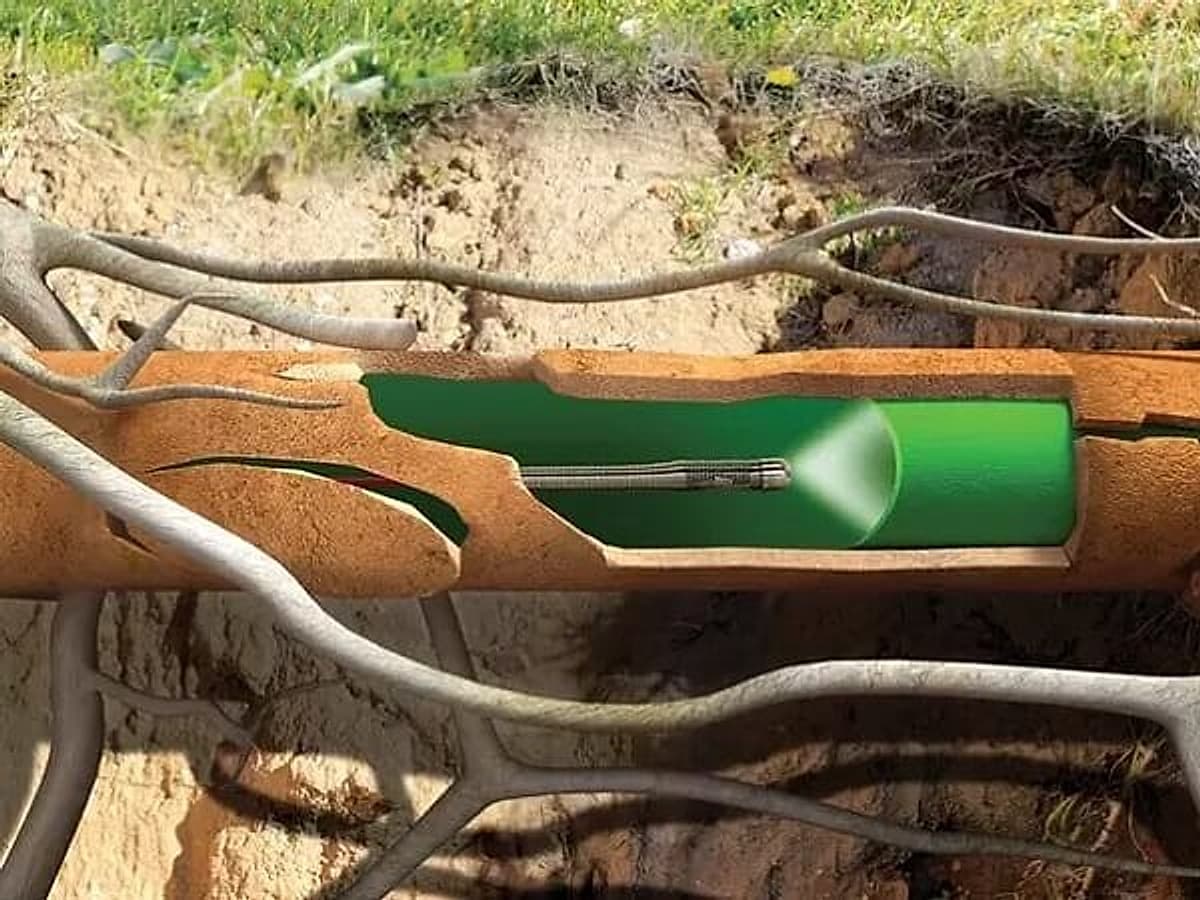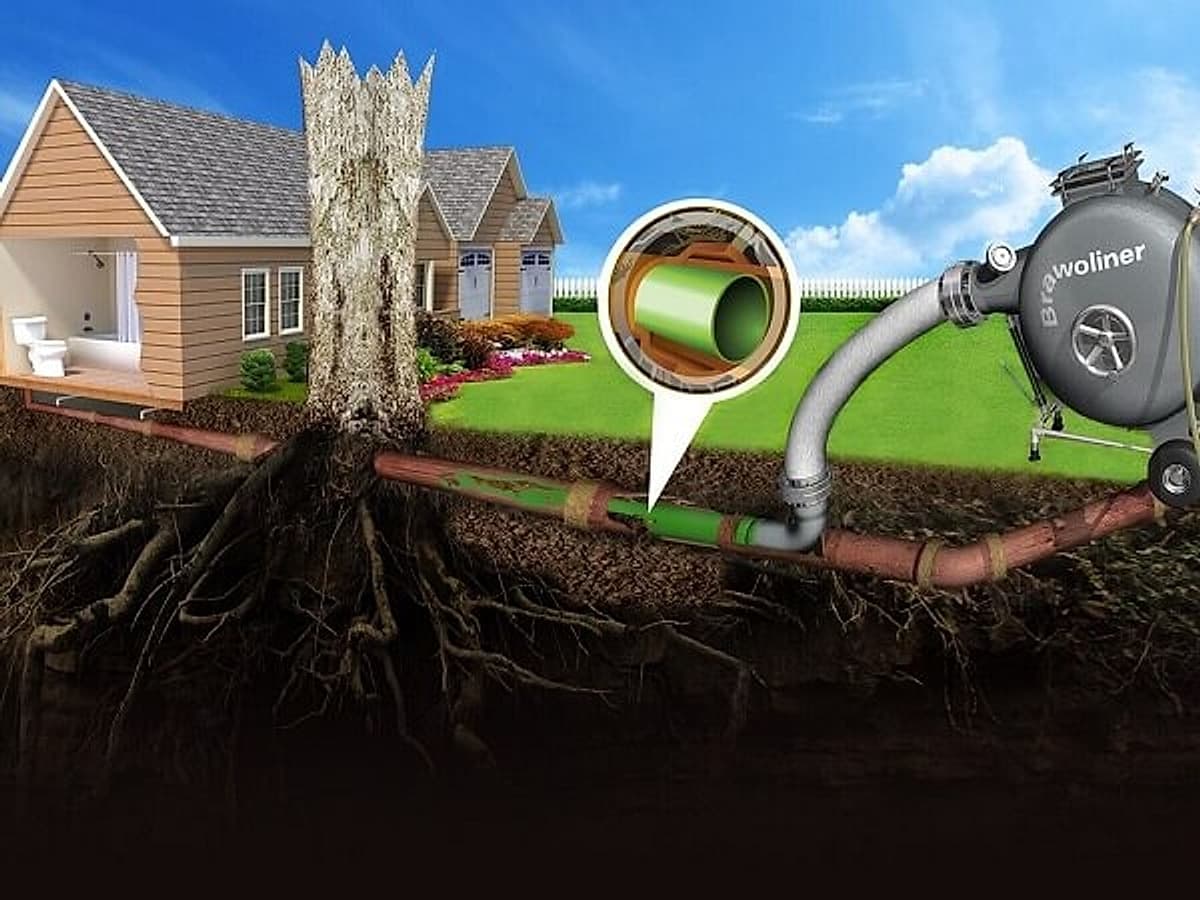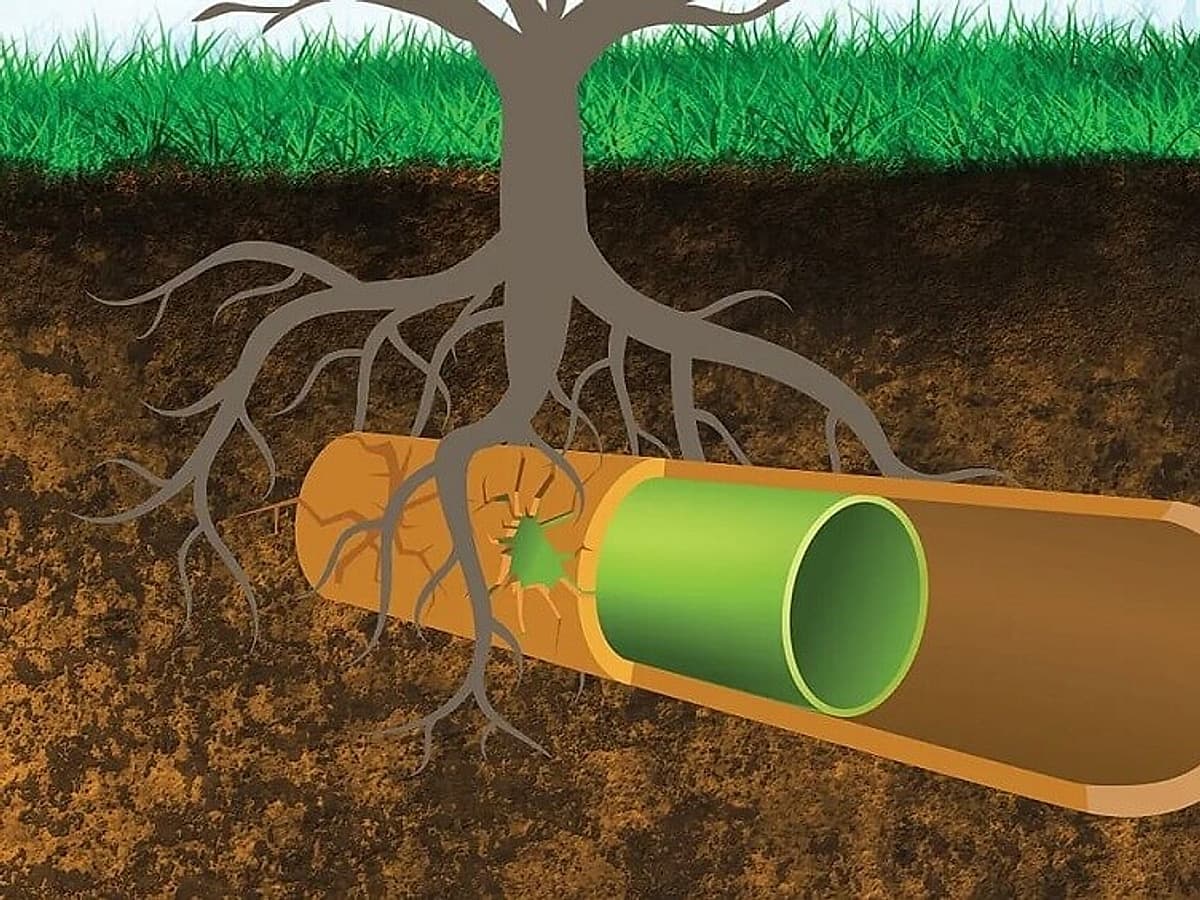
One of pipe relining's most compelling advantages is speed. Most residential pipe relining projects are completed in a single day—often within 4-8 hours from start to finish. Compare this to traditional pipe replacement which can take a week or more of disruptive excavation, and you'll understand why property owners across Sydney are choosing this modern trenchless solution.
The Short Answer: Typical Pipe Relining Timeline
For a standard residential sewer or stormwater pipe relining job, here's what to expect:
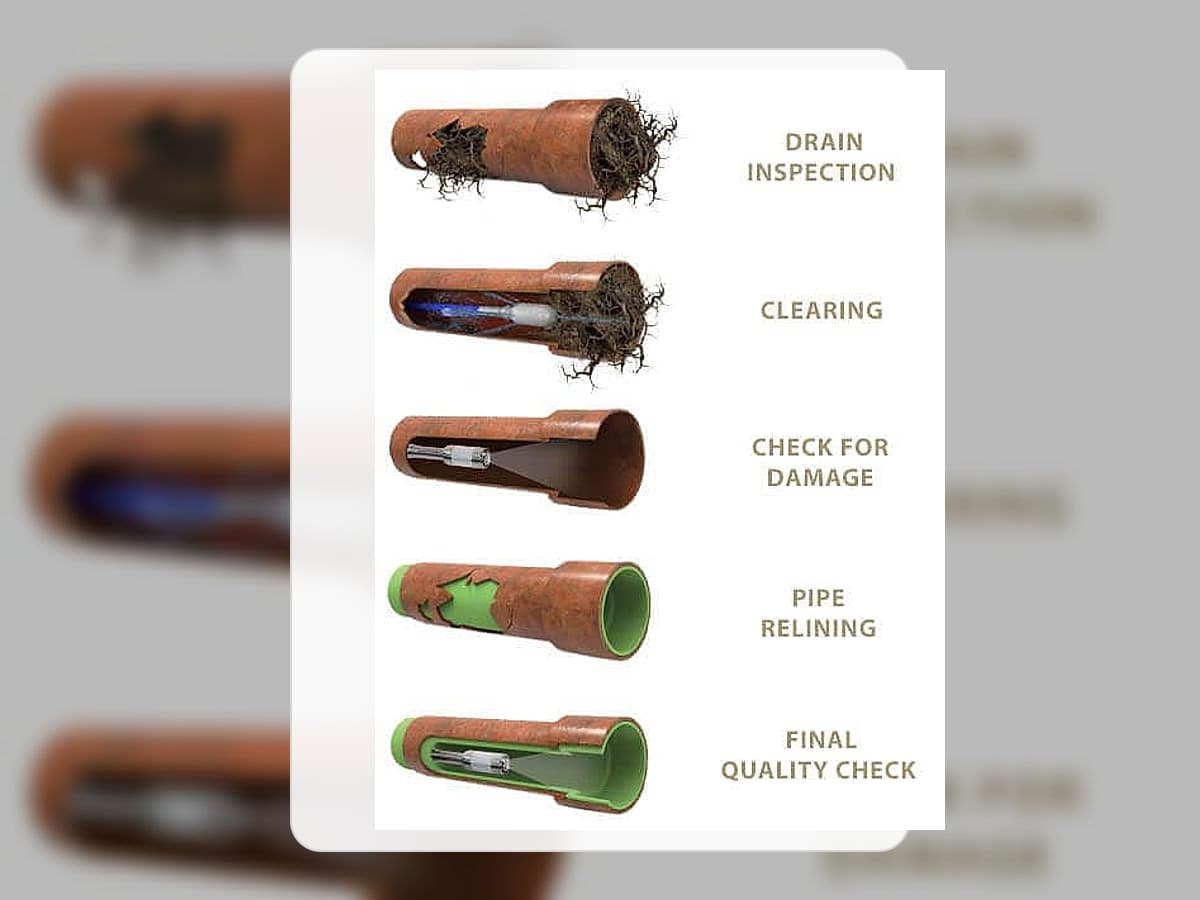
- Initial CCTV Inspection: 30-60 minutes
- High-Pressure Water Jetting: 1-2 hours
- Liner Preparation and Installation: 1-2 hours
- Curing Time: 2-4 hours (depending on method)
- Final Inspection and Reinstatement: 30-60 minutes
Total Time: 5-10 hours (typically completed within one working day)
In many cases, your pipes are functional and back in service the same day the work begins. This remarkable speed is one of the technology's greatest advantages over traditional methods.
Step-by-Step Timeline Breakdown
Understanding what happens during each stage helps you appreciate why pipe relining is so much faster than traditional excavation and replacement.
Stage 1: Pre-Work CCTV Inspection (30-60 Minutes)
Every pipe relining job begins with a comprehensive video inspection. A specialized CCTV camera travels through your pipes, recording high-definition footage that reveals:
- The exact location and extent of damage
- Pipe diameter, material, and configuration
- Root intrusion, cracks, or structural failures
- Any obstructions or offsets
- The length of pipe requiring relining
This inspection is crucial—it confirms pipe relining is appropriate for your situation and provides the measurements needed to prepare the correct liner. The footage also documents the "before" condition, which you'll compare to the "after" inspection showing your beautifully restored pipes.
What you'll notice: The technician inserts a camera through an existing access point (cleanout, inspection opening, or toilet). You'll see live footage on a monitor showing the interior of your pipes. This stage involves no noise, no mess, and no disruption.
Stage 2: High-Pressure Water Jetting (1-2 Hours)
Before installing the new liner, your pipes must be thoroughly cleaned. High-pressure water jetting equipment removes:
- Years of built-up grease, sediment, and scale
- Tree roots that have infiltrated the pipe
- Rust, corrosion debris, and loose material
- Any existing blockages
This cleaning is more thorough than standard drain clearing because the new liner needs a clean surface to properly adhere to the host pipe. Technicians may make multiple passes with different nozzle configurations to ensure the pipe is completely clean.
What you'll notice: You'll hear the water jetting equipment running—similar to a pressure washer but more powerful. Water and debris exit through your sewer system normally. If roots were a problem, you might see significant root material removed during this stage.
Stage 3: Liner Preparation and Saturation (30-60 Minutes)
While the pipes are being cleaned (or immediately after), technicians prepare the liner:
- Measurement: Based on the CCTV inspection, the liner is cut to the exact length needed
- Resin Mixing: Two-part epoxy resin is precisely mixed according to specifications
- Saturation: The liner is saturated with resin using specialized equipment that ensures even, complete saturation
- Quality Check: Technicians verify the liner is properly prepared before installation
This preparation happens on-site in the service vehicle or nearby work area. The timing is carefully coordinated so the saturated liner is installed during its optimal working window.
What you'll notice: Technicians working around their vehicle or in your yard, preparing materials. There's minimal noise during this stage.
Stage 4: Liner Installation (1-2 Hours)
This is where the transformation happens. The resin-saturated liner is installed into your existing pipe using one of two primary methods:
- Inversion Method: Water or air pressure inverts the liner, pulling it through the pipe until it's fully positioned. As it inverts, it presses firmly against the host pipe walls.
- Pull-Through Method: The liner is pulled into place using a winch system, then expanded using water or air pressure to press it against the pipe walls.
The method chosen depends on your specific pipe configuration, diameter, accessibility, and the nature of the damage. Experienced technicians select the optimal approach for your situation.
Once positioned, the liner is held in place under pressure while it begins the curing process. This pressure ensures the liner conforms perfectly to the pipe's shape, including navigating bends up to 90 degrees.
What you'll notice: Equipment operating to install the liner. Some noise from compressors or pumps. The actual installation is surprisingly quick—often just 30-45 minutes for a standard residential run.
Stage 5: Curing Process (2-4 Hours)
Once installed, the liner must cure—the resin hardens, transforming the flexible saturated liner into a rigid, structural pipe. Curing method affects timing:
Hot Water Cure (Most Common for Residential Work)
- Method: Hot water (160-180°F / 70-80°C) circulates through the liner
- Duration: 3-4 hours typically
- Advantages: Reliable, consistent, well-established method
- Equipment: Hot water boiler connects to the liner, maintaining precise temperature
Steam Cure
- Method: Steam provides rapid, controlled heating
- Duration: 2-3 hours typically
- Advantages: Faster than hot water, very consistent temperature
- Equipment: Steam generator with precise controls
Ambient Cure
- Method: Liner cures naturally at ambient temperature
- Duration: 12-24 hours (overnight cure)
- Advantages: No equipment needed, suitable for certain situations
- When used: Less time-sensitive projects, certain resin types
UV Light Cure
- Method: UV light train travels through the liner, curing it progressively
- Duration: 1-2 hours (fastest method)
- Advantages: Very rapid, precise control
- When used: Specialized applications, certain pipe configurations
For most residential jobs in Sydney, hot water or steam curing is used, taking 2-4 hours. This is typically the longest single stage of the process, but it requires minimal supervision and no active work—the liner is simply curing while technicians monitor temperature and time.
What you'll notice: Equipment running to maintain curing temperature. A boiler or steam generator will be operating, but it's not particularly loud. During this time, you cannot use the affected drains, but the rest of your property is completely accessible.
Stage 6: Reinstatement and Final Inspection (30-60 Minutes)
After curing is complete, several final steps ensure a perfect result:
- Equipment Removal: Curing equipment and installation tools are removed
- Junction Reinstatement: Connection points for branch lines are cut and opened using a robotic cutter
- End Finishing: Liner ends are trimmed flush at connection points
- Final CCTV Inspection: A camera inspection verifies perfect installation and documents the completed work
- Water Flow Testing: The system is tested to ensure proper drainage
- Site Cleanup: All equipment is removed and the work area is cleaned
The final CCTV inspection is particularly satisfying—you see the dramatic transformation from damaged, deteriorated pipes to a smooth, seamless new pipe interior. This footage becomes part of your documentation and warranty records.
What you'll notice: Final work wrapping up. Technicians performing final checks, cleaning equipment, and restoring access points. Within minutes of this stage completing, your drains are fully functional.
Factors That Affect Project Duration
While most residential jobs complete within a day, several factors can extend or shorten the timeline:
Factors That Speed Up the Project
- Short Pipe Runs: Relining 10 meters takes less time than 50 meters
- Good Access: Easy access to inspection openings means faster setup
- Clean Pipes: Pipes with minimal buildup require less cleaning time
- Simple Configuration: Straight runs with few junctions are quickest
- UV Curing: Where applicable, UV curing is fastest
- Experienced Crew: Seasoned technicians work efficiently
Factors That Extend the Timeline
- Long Pipe Runs: Very long sections (50+ meters) take proportionally longer
- Severe Blockages: Extensive root intrusion or heavy buildup requires more cleaning time
- Multiple Sections: Relining several disconnected sections adds time
- Complex Configurations: Multiple junctions or unusual bends require more careful work
- Limited Access: Difficult-to-reach pipes may require additional setup
- Large Diameter Pipes: Bigger pipes require longer preparation and curing
- Weather Conditions: Extreme cold can extend curing times slightly
- Ambient Curing Choice: Overnight cure extends total project time to 24 hours
Even with extending factors, pipe relining is dramatically faster than excavation-based replacement.
Comparing Pipe Relining Timeline vs. Traditional Replacement
To truly appreciate pipe relining's speed advantage, let's compare timelines for the same repair job:
Traditional Pipe Replacement Timeline
- Day 1-2: Excavation to expose pipes (heavy machinery, noise, property damage)
- Day 2-3: Remove old pipes, prepare trench, install new pipes
- Day 3-4: Backfill trench, compact soil, initial restoration
- Day 4-5: Concrete work for driveways, paths (if applicable)
- Day 5-7: Wait for concrete to cure before use
- Week 2-3: Final landscaping, restoration work
Total Traditional Replacement Time: 1-3 weeks minimum
During this entire period, your property is a construction site. Heavy machinery creates noise and dust. Access is restricted. Landscaping is destroyed. The disruption affects your entire household.
Pipe Relining Timeline
- Day 1, Morning to Afternoon: Complete job from inspection through final testing (5-10 hours)
Total Pipe Relining Time: 1 day (same-day completion in most cases)
Your property remains intact. Work is contained to access points. Minimal noise. No landscaping damage. By evening, everything is complete and functional.
The Speed Advantage in Real Numbers
- Pipe relining is 95% faster than traditional replacement
- 7-21 days saved compared to excavation methods
- 1 day vs. 1-3 weeks of property disruption
- You get your life back 95% faster
What About Larger or Commercial Projects?
Larger projects naturally take longer, but pipe relining still offers dramatic time savings:
Large Residential Properties
- Multiple pipe runs: 2-3 days typically
- Complex systems: May require 3-5 days for extensive work
- Still faster: Traditional replacement would take 2-4 weeks
Commercial Properties
- Restaurants/Cafes: 1-3 days (can often work around business hours)
- Apartment Buildings: 3-7 days depending on scope
- Industrial Facilities: 1-2 weeks for complex systems
- Advantage: Business continues operating with minimal disruption
Municipal Infrastructure
- Main Sewer Lines: Days to weeks (depending on length)
- Traditional would take: Months with major road closures
- Benefit: Roads remain open, traffic flows normally
Can Pipe Relining Be Done Faster?
For urgent situations, expedited pipe relining is possible:
Emergency/Urgent Service
- Same-Day Service: Start and complete within hours of calling
- After-Hours Work: Evening or weekend completion possible
- UV Curing: Fastest cure time reduces total duration
- Multiple Crews: Can work on different sections simultaneously
Many pipe relining specialists, including P24, offer emergency services for urgent situations like sewage backups or imminent failures.
Scheduling Your Pipe Relining Project
Best Times to Schedule
- Weekdays: Typically most available for scheduling
- Dry Weather: Ideal but not strictly necessary (work continues in rain)
- When Home: Useful to be present for initial consultation, though not required for the work itself
What You Need to Arrange
- Access: Ensure technicians can access inspection points and work areas
- Parking: Space for service vehicle (usually a van or small truck)
- Drain Non-Use: Plan to avoid using affected drains during the work day
- Alternative Facilities: If main bathroom is affected, arrange alternative arrangements for the day
What You Don't Need to Arrange
- No Accommodation Needed: You stay in your home throughout
- No Pet Relocation: Pets can stay (just keep them clear of work area)
- No Major Preparations: Your property remains undisturbed
- No Restoration Contractors: Nothing to restore afterward
Real-World Timeline Examples
Here are actual project timelines from common scenarios:
Example 1: Sewer Line Under Driveway (15 Meters)
- 7:00 AM - Crew arrives, sets up
- 7:30 AM - CCTV inspection reveals root intrusion and cracked joints
- 8:00 AM - High-pressure jetting begins
- 9:30 AM - Jetting complete, liner preparation begins
- 10:00 AM - Liner installation
- 11:00 AM - Hot water curing begins
- 2:30 PM - Curing complete
- 3:00 PM - Junction reinstatement and final inspection
- 3:30 PM - Final testing, cleanup, crew departs
Total Time: 8.5 hours, completed same day
Example 2: Stormwater Drain (25 Meters, Heavily Root-Affected)
- 8:00 AM - CCTV inspection shows severe root intrusion
- 8:30 AM - Extended root cutting and cleaning begins
- 11:00 AM - Multiple passes required, cleaning complete
- 11:30 AM - Liner preparation
- 12:30 PM - Liner installation
- 1:00 PM - Steam curing begins
- 3:30 PM - Curing complete
- 4:00 PM - Reinstatement, inspection, testing
- 4:45 PM - Project complete
Total Time: 9 hours, completed same day despite heavy root damage
Example 3: Small Residential Section (8 Meters, Simple Configuration)
- 9:00 AM - CCTV inspection confirms straightforward repair
- 9:30 AM - Quick cleaning (minimal buildup)
- 10:30 AM - Liner preparation and installation
- 11:30 AM - UV curing (fastest method)
- 12:30 PM - Final inspection and testing
- 1:00 PM - Complete and functional
Total Time: 4 hours, half-day project
How Does Weather Affect Timeline?
One of pipe relining's advantages is weather resistance:
- Rain: No significant impact (work is mostly inside pipes)
- Heat: May slightly speed curing; no negative effects
- Cold: May extend curing time by 30-60 minutes in extreme cold
- Wind: No impact (work area is protected)
Traditional excavation, by contrast, is severely affected by rain (mud, unsafe trenches, delays) and can't proceed in heavy weather.
Frequently Asked Questions About Project Timeline
Can I use my drains during the pipe relining process?
No. The affected drains cannot be used from when work begins until the final inspection is complete. This typically means avoiding those drains for 5-10 hours. However, drains not being worked on remain fully usable throughout the project.
Can pipe relining be completed faster than one day?
For small sections with simple configurations, yes—some projects complete in 3-4 hours. However, most residential jobs take 5-10 hours to ensure thorough cleaning, proper installation, and complete curing. Rushing compromises quality.
What if the job takes longer than expected?
Reputable companies plan realistic timelines. If unexpected issues arise (such as discovering additional damage during inspection), the technician will explain the situation and revised timeline. Most often, even "complicated" jobs complete the same day.
Do I need to take time off work for pipe relining?
Not necessarily. If you're comfortable providing access and don't need to be present during the work, many property owners go to work as usual. However, being available for the initial consultation and final walkthrough is beneficial.
How soon after relining can I use my drains?
Immediately after the final inspection and testing confirm everything is working perfectly. There's no waiting period—once the technician says you're good to go, your drains are fully functional.
Can you work on weekends or after hours?
Many pipe relining companies offer weekend and after-hours service, particularly for urgent situations or to accommodate your schedule. This flexibility is another advantage of the quick, contained process.
The Bottom Line: Time is Money (and Peace of Mind)
Pipe relining's speed advantage isn't just about convenience—it translates to real financial savings and quality of life benefits:
- Less Time Off Work: One day vs. multiple days supervising excavation
- Reduced Labor Costs: One crew, one day vs. multiple crews, multiple weeks
- Minimal Disruption: Family life continues mostly normally
- Faster Problem Resolution: Your drainage issues are solved in hours, not weeks
- No Extended Property Damage: No weeks-long construction zone
At P24 Pipe Relining Sydney, we pride ourselves on efficient, professional service that respects your time. Most of our residential projects complete within a single working day, with your pipes fully functional by evening. Our experienced crews work systematically through each stage, ensuring quality results without unnecessary delays.
If you're dealing with damaged pipes and dreading weeks of excavation and disruption, pipe relining offers a dramatically faster alternative. Contact us today for a free consultation and quote. We'll provide a realistic timeline specific to your situation and schedule the work at your convenience. Most importantly, we'll have your drainage problems solved in a fraction of the time you expected—usually within a single day.