Local trenchless repair
Blocked Drains Sydney
Blocked drain diagnosis and clearing across Sydney, with CCTV where needed, high-pressure cleaning, and a clear next step if the blockage keeps returning.
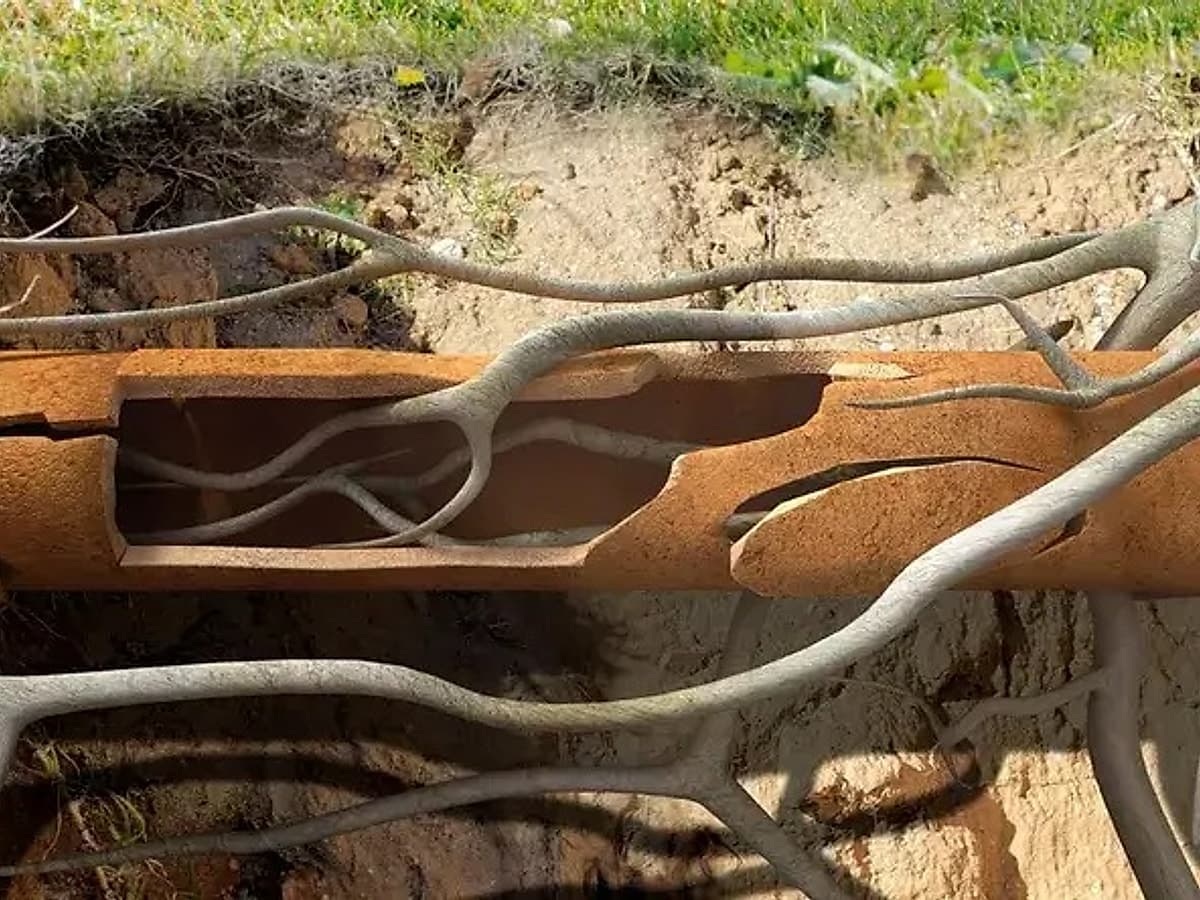
Blocked drain work starts with the cause of the blockage
A blocked drain can come from grease, roots, wipes, debris, or damage inside the line itself. The right response depends on what is actually causing the blockage and whether the pipe is otherwise in sound condition.
Some blocked drains only need clearing. Others keep coming back because the line needs cleaning, CCTV diagnosis, or structural repair. The goal is to restore flow and show you what the line actually needs next.
What blocked drain work can help with
- Recurring blocked drains in kitchens, bathrooms, sewers, and external lines
- Slow drainage, gurgling, smells, and overflow at low points
- Blocked lines affected by roots, grease, wipes, debris, or pipe damage
- Drainage problems that need a clear next step after the blockage is cleared
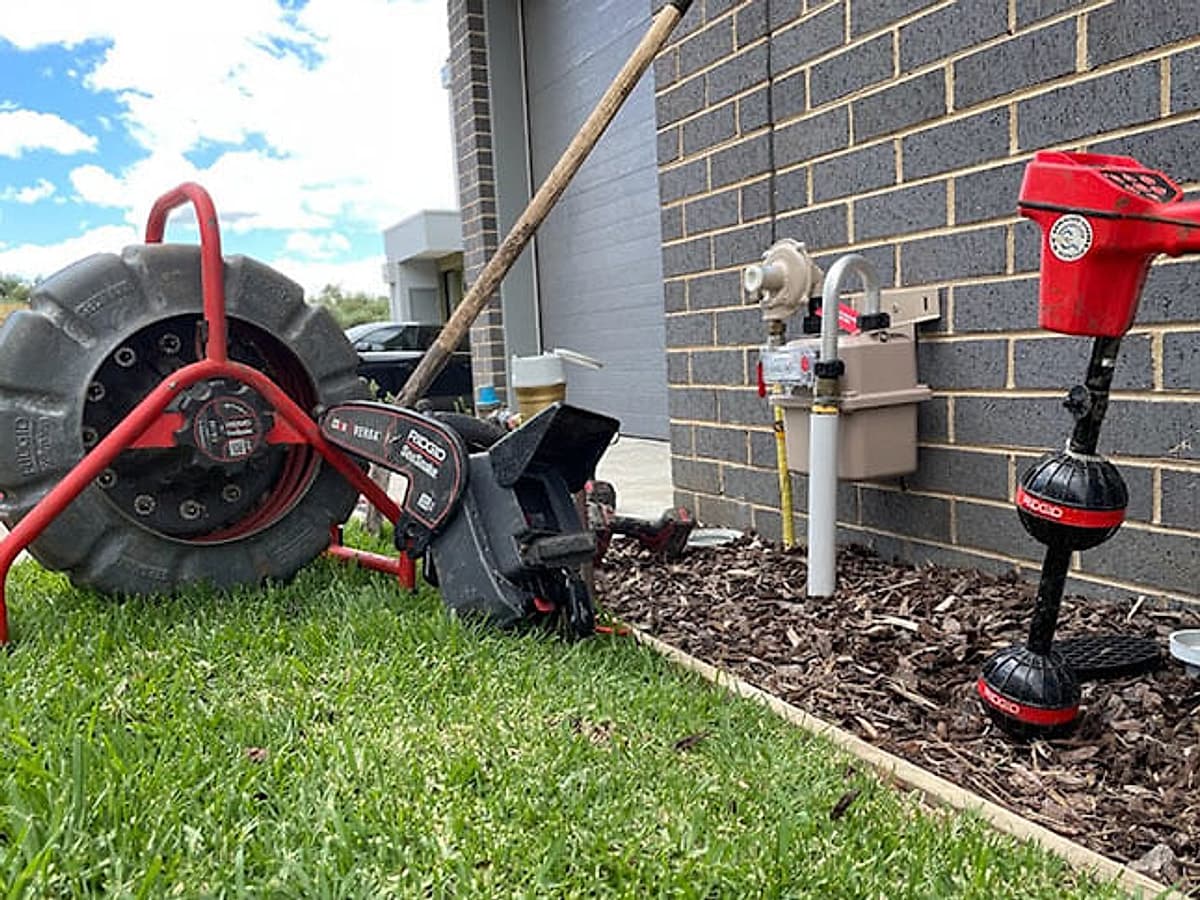
CCTV
Where Needed
Signs the drain likely needs attention
These signs usually point to a blockage, a restricted line, or a fault deeper in the drainage run.
Slow fixtures and repeated backup
Sinks, showers, floor wastes, or toilets that drain slowly can signal a restricted line rather than a small local blockage.
Gurgling and foul smells
Air noise, smells, or bubbling water can point to trapped waste, poor flow, or a problem further down the drainage line.
Water showing up where it should not
Water around floor wastes, external gullies, or low points on the property can suggest the blockage is beyond a single fixture.
More than one fixture affected
When several fixtures are draining badly at the same time, the problem is more likely to be deeper in the main line.
Common causes behind blocked drains
A blockage is usually the symptom. These are the causes we look for when deciding whether clearing alone will solve it.
Grease, wipes, and debris
Common in household and commercial drains, especially where maintenance has been delayed.
Tree root entry
Common in older lines where cracks or failed joints give roots a way into the pipe.
Pipe damage
Cracked, worn, or misaligned lines can keep causing blockages until the structural issue is repaired.
Check pipe reliningScale and buildup along the line
Some drains need more than a quick unblock and are better handled with proper line cleaning to remove buildup along the pipe walls.
Check drain cleaningClear it, inspect it, or repair it
Some blocked drains only need clearing. Others need camera diagnosis or structural repair if the blockage keeps coming back.
Clear the blockage
This is the right path when the issue looks isolated and the line does not show signs of deeper damage.
- Restore flow and remove the immediate obstruction
- Check whether the line is draining normally again
- Explain whether maintenance should follow
Inspect the line
This is the right path when the blockage is recurring, widespread, or linked to the condition of the pipe.
- Use CCTV to locate the fault
- Show whether the issue is buildup, roots, or damage
- Plan the right repair path from the footage
Repair the cause
If the camera shows the blockage is tied to structural damage, the next step may be relining or another repair method.
- Explain whether the line suits relining
- Avoid repeat clearing where a repair is needed
- Issue a written quote for the actual scope
Work that shows how blocked drains can turn into repairs
These examples show the difference between a blockage that needs clearing and a line that needs repair planning after inspection.
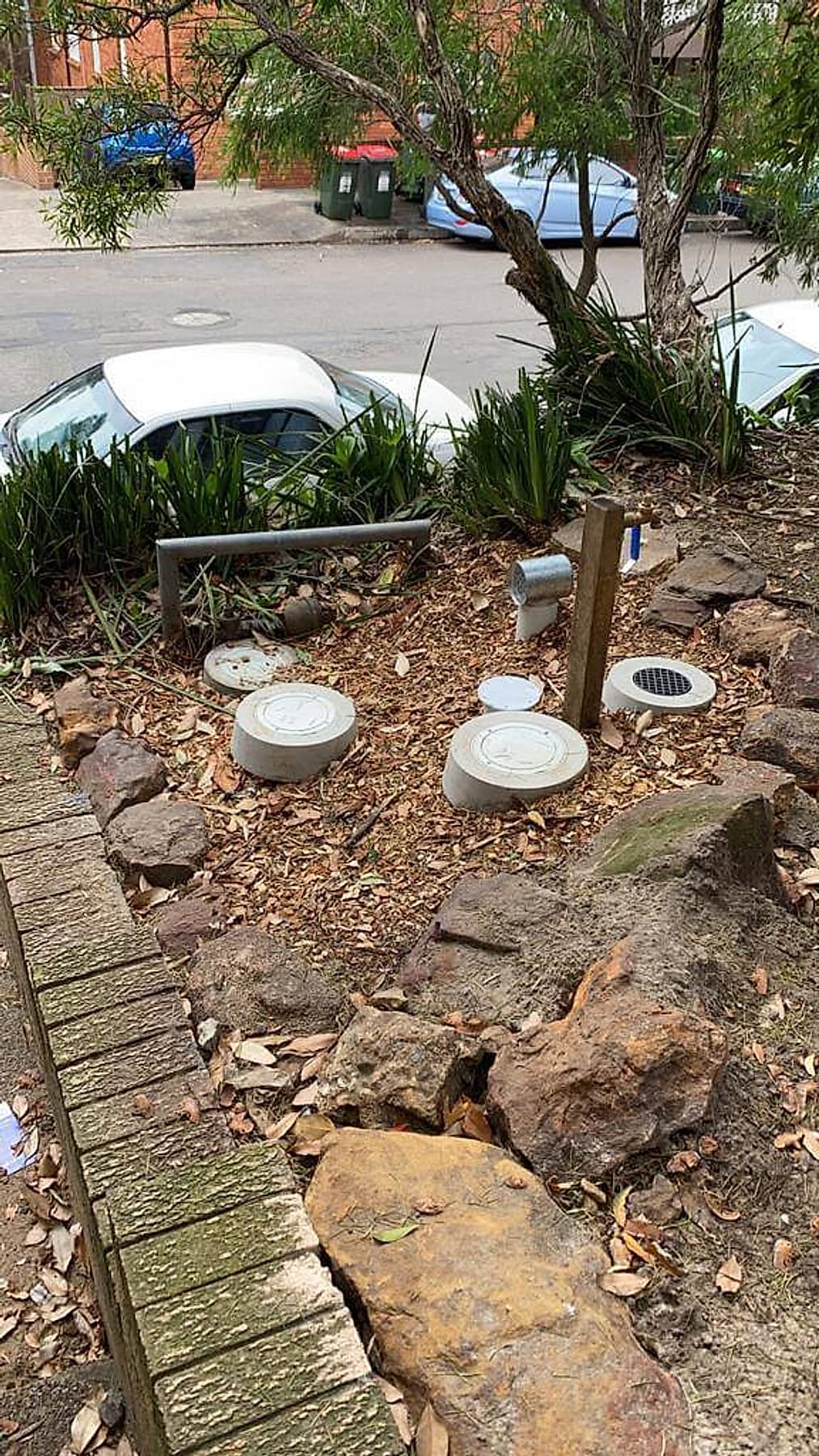
Castle Hill Boundary Trap Replacement
P24 replaced a deteriorated boundary trap and broken clay drain at a Castle Hill home, installed new PVC, and restored the garden afterwards.
Challenge
The property had a severely deteriorated boundary trap with broken clay piping that was causing repeated blockages and potential overflow issues.
Solution
We excavated the affected garden area, removed all broken clay pipe components, and installed new PVC lines with a modern boundary trap. Upstream and downstream inspection access points were created to enable future maintenance and potential relining work. The garden was fully restored with an updated landscape design.
More relevant work
Castle Hill, Sydney
Castle Hill Residential Pipe Relining
Pipe relining work at a Castle Hill home restored ageing sewer pipes with a trenchless repair method and avoided excavation.
Baulkham Hills, Sydney
Baulkham Hills Pipe Relining Project
Pipe relining work at a Baulkham Hills property restored ageing pipes using a trenchless repair method.
What recurring blocked drains often point to
When the same drain keeps blocking, the cause is often sitting deeper in the line than the surface symptoms suggest.
Root entry through damaged joints
Roots often grow back because they are entering through cracks or failed joints in the pipe, not because the original clearing was done badly.
See CCTV inspectionsDamaged sections of sewer or drain line
Cracked, misaligned, or worn pipe sections can keep catching waste and causing repeat blockages until the damaged section is repaired.
See pipe reliningHeavy buildup through the full run
Some lines need proper cleaning through the run, not just a quick opening through the centre of the blockage.
See drain cleaningHow blocked drain work usually moves
The job is built to restore flow, confirm the cause where needed, and show whether the line now only needs maintenance or a repair path.
Assess the symptoms
Initial callWork out what is backing up, how often it happens, and whether the issue looks local or deeper in the drainage line.
Inspect the drain where needed
On siteUse CCTV when the blockage is recurring, multiple fixtures are affected, or the cause needs confirming before the right scope is clear.
Clear or clean the line
Job scope variesUse the right method to restore flow and remove the blockage, roots, grease, or buildup from the line.
Explain the next step
Before handoverShow whether the drain now only needs maintenance or whether the footage points to a repair path.
What changes the blocked drain quote
Blocked drain work can range from a straightforward clearing job to a line that needs CCTV, cleaning, and repair planning.
Where the blockage sits
A local fixture issue is different from a blockage further down the main line or boundary connection.
Whether CCTV is needed
Recurring issues, root entry, and uncertain fault locations often need inspection before the right scope is clear.
Whether the line needs repair
If the blockage is tied to structural damage, the final scope may include cleaning, relining, or another repair path.
When blocked drain work turns into pipe relining
The blockage itself is not always the full problem. These are the situations where the next step usually moves beyond clearing and into camera-led repair planning.
Roots keep returning through the same section
If the line clears but roots keep getting back in, CCTV usually shows a crack or failed joint that needs a repair path rather than another short-term cut.
See CCTV inspectionsThe camera shows cracking or failed joints
Once the footage shows the blockage is tied to the pipe wall itself, the conversation usually moves to relining suitability and the written repair scope.
See pipe reliningCleaning becomes preparation for the repair
Some blocked drains need a proper clean through the run before anyone can confirm the final relining scope or decide if another repair path is needed.
See drain cleaningHelpful guides when the drain problem is no longer straightforward
These articles help when recurring blocked drains start pointing to deeper line damage, CCTV findings, or the repair decision that follows.
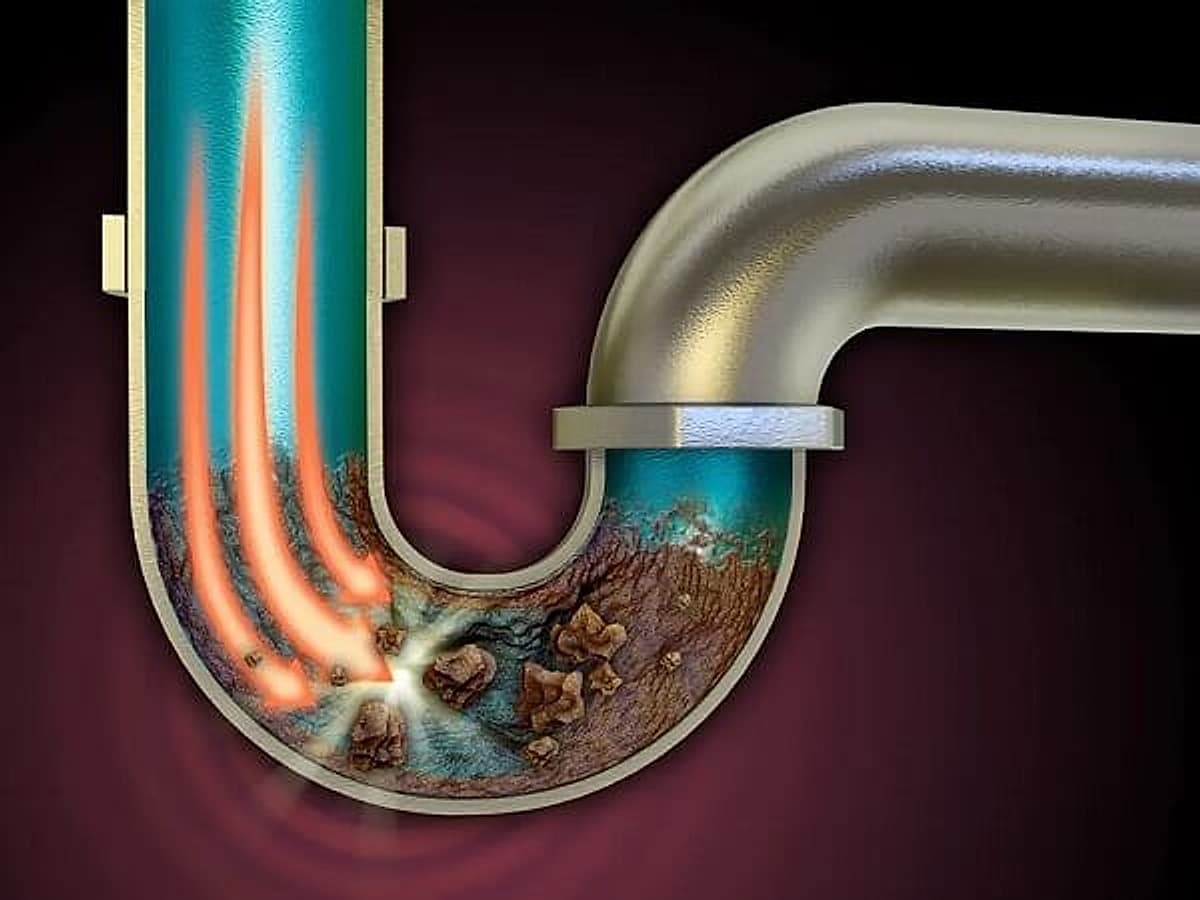
How Do Drains Get Blocked?
See the most common causes of blocked drains, from grease and wipes to root entry and damaged pipe sections that keep catching waste.
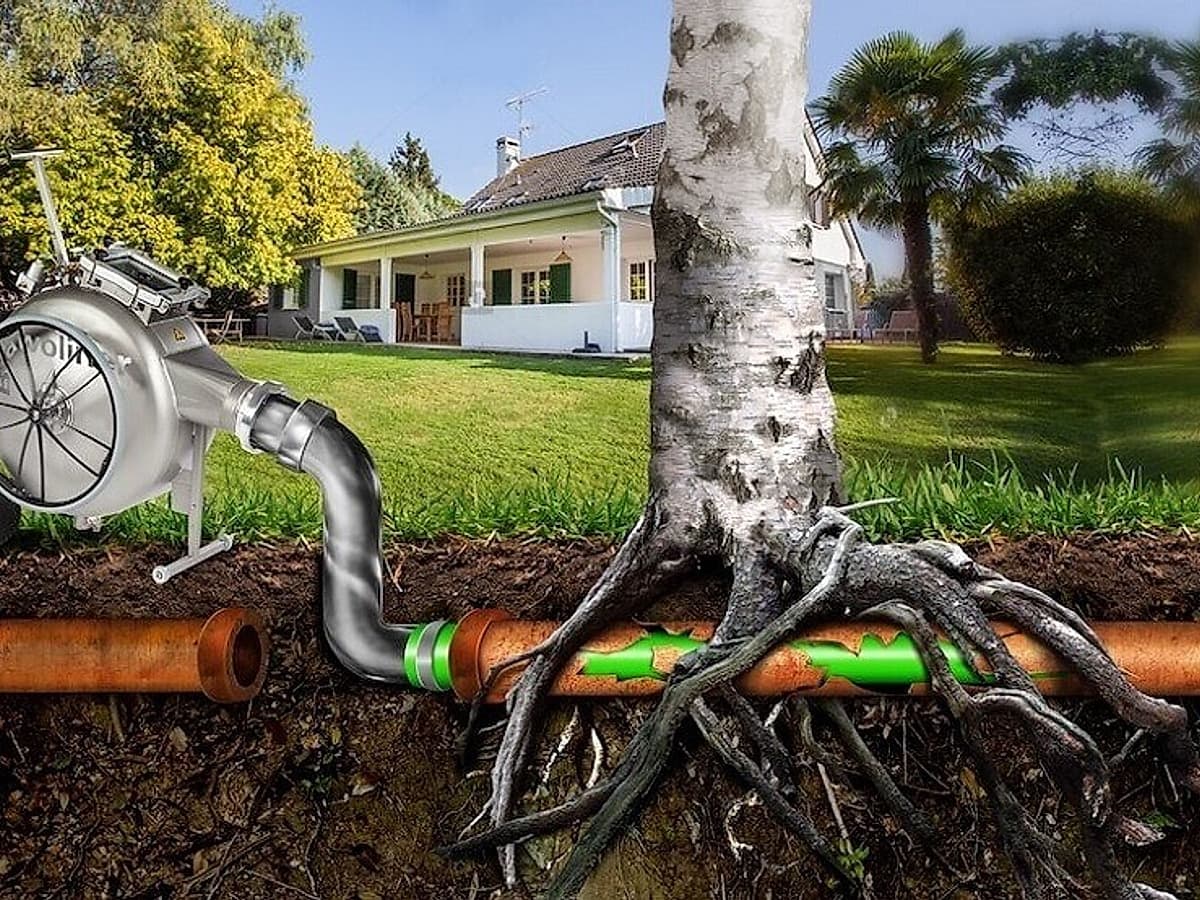
Signs You Need Pipe Relining
Learn the signs that usually push the conversation beyond a simple clear, including recurring blockages, root entry, and CCTV evidence of pipe damage.
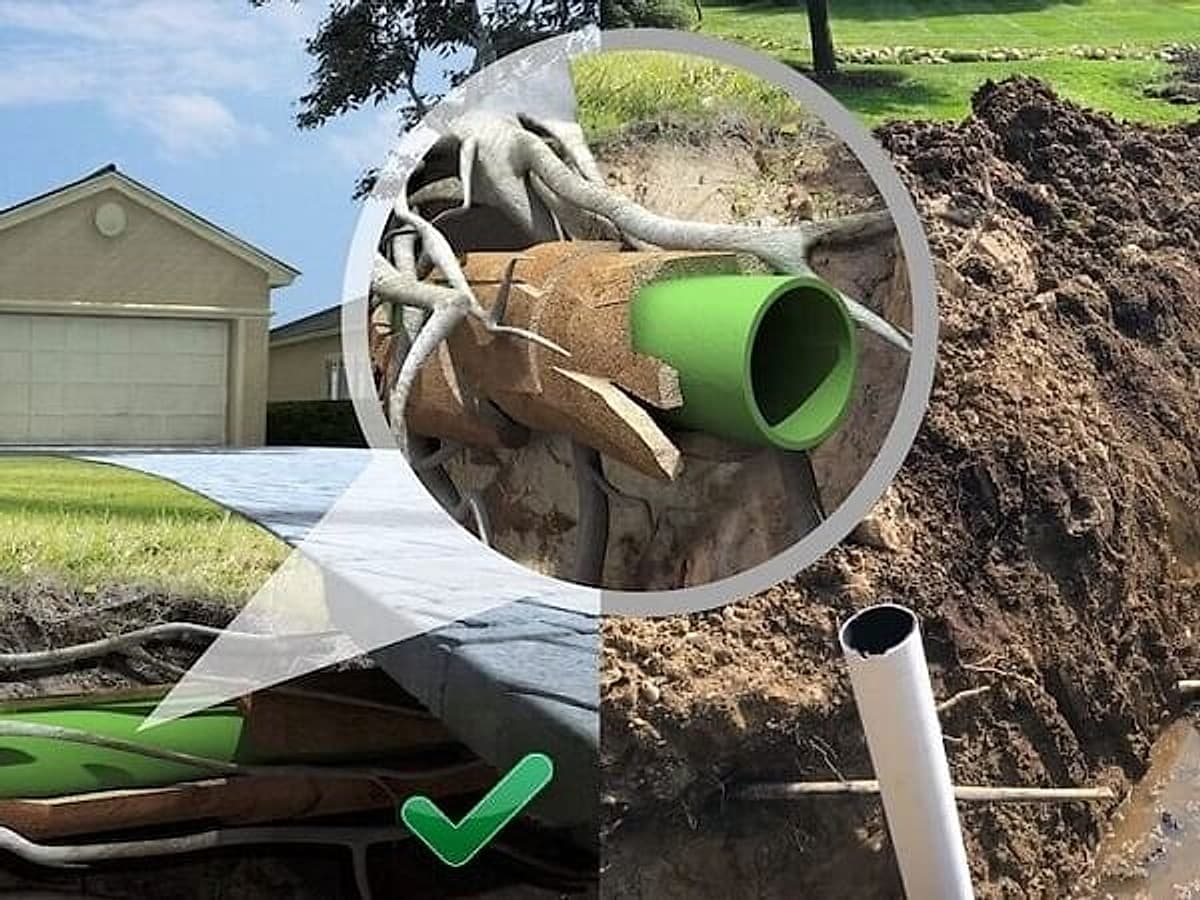
Pipe Relining Vs Pipe Replacement
Compare pipe relining with replacement so you can understand where trenchless repair fits, when excavation may still be needed, and what affects the decision.
Blocked Drains Sydney FAQs
Answers to common questions about blocked drains, CCTV diagnosis, root entry, and what affects the next repair step.
Common causes include tree root entry, grease buildup, wipes and foreign objects, scale, and damaged sections of pipe. The best way to separate a simple blockage from a structural issue is with CCTV diagnosis.
CCTV is useful when the blockage keeps coming back, multiple fixtures are affected, the line backs up repeatedly, or you need to know whether the problem sits in the pipe rather than in surface debris alone.
If a blockage keeps returning, we look for the reason behind it. That may point to root entry, a damaged section of line, scale buildup, or another fault that needs repair rather than repeat clearing alone.
Yes. Some blocked drains are caused by structural damage in the line. If CCTV shows cracking, failed joints, or root entry that suits trenchless repair, pipe relining may be part of the next step.
We inspect the situation first, explain what the blockage is tied to, and then issue a written quote for the work that is actually needed. The scope can differ a lot between a simple clearing job and a line with structural damage.
No. Many blocked drains do not need excavation. Whether the line needs clearing, cleaning, relining, or another repair path depends on the CCTV findings and the condition of the pipe.
Yes. Tree roots are a common cause of recurring blocked drains, especially in older clay or worn lines. Clearing the roots restores flow, but the camera inspection may show the pipe also needs repair planning if roots keep getting back in.
Need help working out what is causing the blockage?
Talk to P24 about blocked drains, CCTV inspection, drain cleaning, and the right repair path for the line.
Call to discuss the issue and the next inspection or repair step.