Have you ever wondered why your drains keep blocking despite regular cleaning? Understanding the real causes of blocked drains—from everyday buildup to hidden structural problems—can save you thousands in emergency plumbing costs and help you prevent future blockages. The truth is, most recurring drain blockages aren't just bad luck; they're symptoms of underlying issues that need proper attention.
The Most Common Causes of Blocked Drains in Sydney Homes
Drain blockages rarely happen suddenly. They're typically the result of gradual buildup or progressive damage that eventually reaches a critical point. Understanding what's actually causing your blockages is the first step toward finding a lasting solution.
1. Tree Root Intrusion: The Silent Pipe Destroyer
Tree roots are responsible for more serious drain blockages in Sydney than any other single cause. This is particularly true in established suburbs with mature trees and older pipe infrastructure.
How Tree Roots Block Your Drains
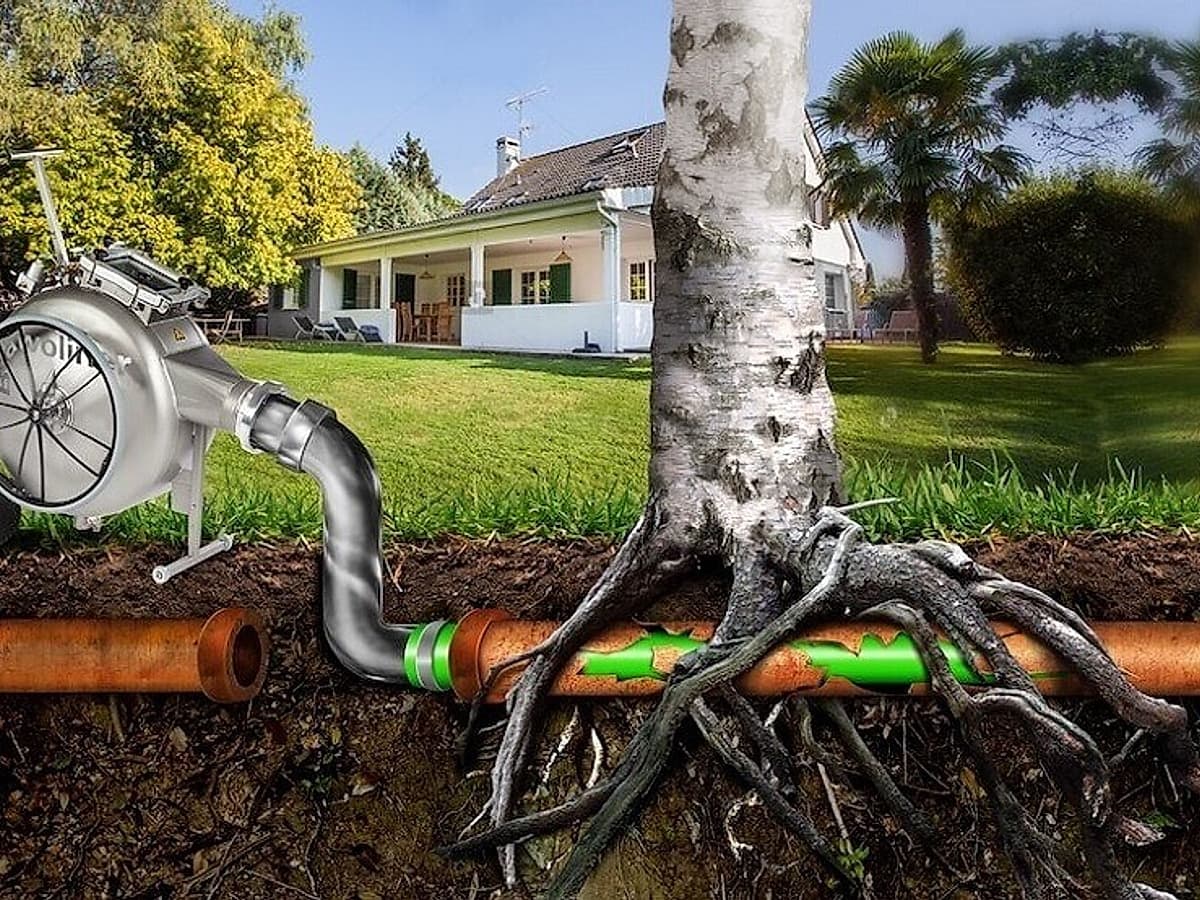
Trees are opportunistic. Their roots constantly seek water and nutrients, and your sewer pipes offer both in abundance. Here's how they cause problems:
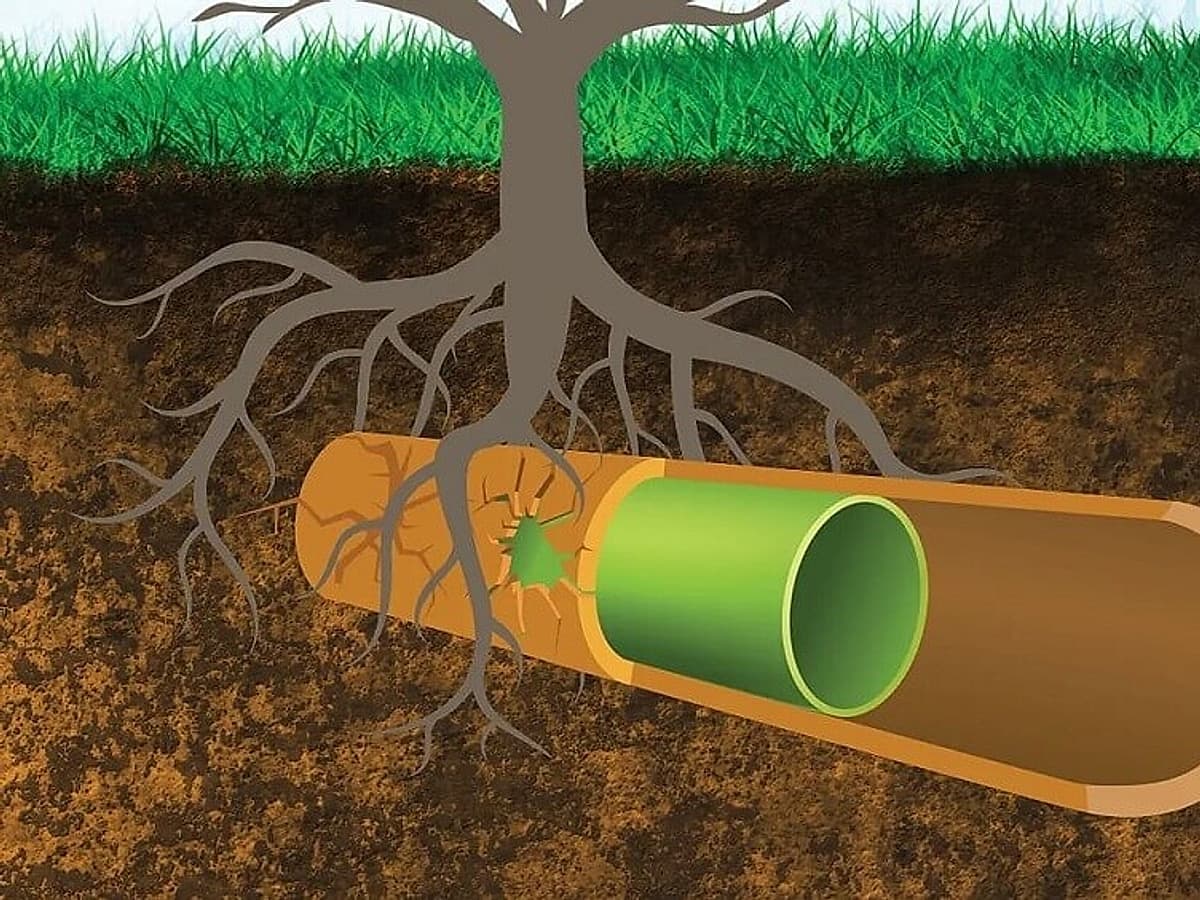
- Finding Entry Points: Roots detect moisture vapor escaping through tiny cracks, joint gaps, or porous pipe materials
- Initial Intrusion: Hair-thin roots work their way through these weaknesses, penetrating into the pipe
- Rapid Growth: Once inside, roots grow rapidly in the nutrient-rich, moist environment
- Creating Blockages: The root mass catches debris, toilet paper, and waste, creating blockages
- Structural Damage: As roots expand, they break apart joints, crack pipes, and cause severe structural damage
Warning Signs of Root Intrusion
Root blockages often develop gradually with these telltale signs:
- Recurring blockages in the same location
- Slow drainage that progressively worsens
- Gurgling sounds from drains or toilets
- Blockages that clear temporarily but quickly return
- Multiple fixtures backing up simultaneously
- Soft spots or sinkholes in your yard above the sewer line
- Unexpectedly lush grass patches above pipe runs
Which Trees Are the Worst Culprits?
Sydney's most problematic trees for drain blockages include:
- Willows: Extremely aggressive root systems that seek water
- Fig Trees: Notorious for invasive roots and structural damage
- Eucalyptus: Deep, extensive root systems
- Bamboo: Rapid growth and aggressive spreading
- Plane Trees: Large root systems that damage infrastructure
- Camphor Laurels: Dense root networks
However, even smaller ornamental trees and shrubs can cause problems if pipes are already damaged or if plants are located directly over pipe runs.
Why Root Problems Keep Coming Back
If you're experiencing recurring root blockages despite regular clearing, the problem isn't the roots—it's the damaged pipes that allow root entry. Simply cutting roots out provides only temporary relief; roots will regrow within 6-12 months. The only permanent solution is repairing the pipe damage that allows root entry, typically through pipe relining.
2. Grease, Fats, and Oils: The Slow-Building Nightmare
Grease buildup is one of the most common causes of kitchen drain blockages, and it's entirely preventable—yet it happens in countless homes every day.
How Grease Causes Blockages
The process is insidious:
- Initial Flow: Hot grease pours down the drain as a liquid
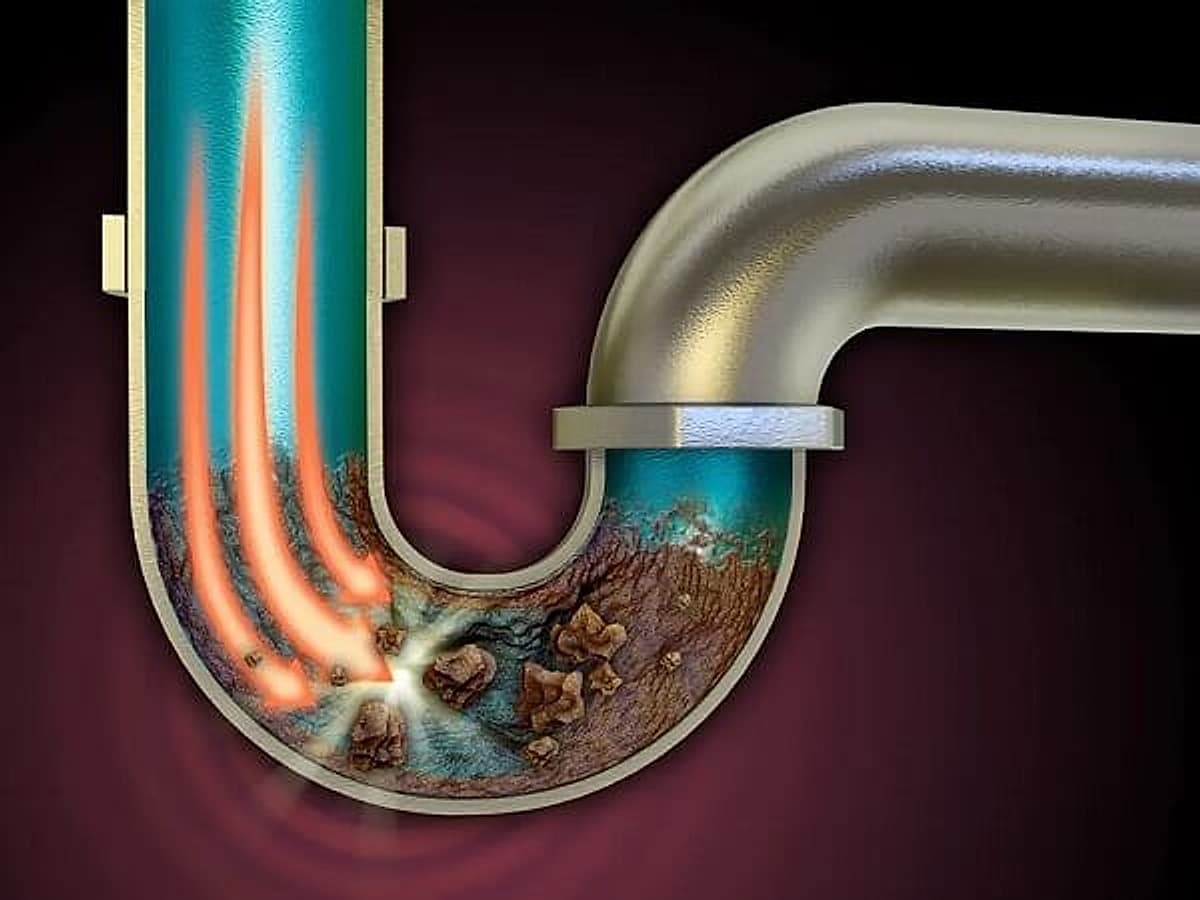
- Cooling and Solidification: As it travels through pipes and cools, grease solidifies and sticks to pipe walls
- Layer Buildup: Each time grease goes down the drain, another layer adheres to existing buildup
- Narrowing Pipes: Over months and years, grease accumulation significantly reduces pipe diameter
- Complete Blockage: Eventually, the pipe becomes so narrow that even water struggles to pass through
Common Sources of Grease Blockages
- Cooking oils and fats poured down the sink
- Butter and margarine residue
- Meat fats and bacon grease
- Salad dressings and oil-based sauces
- Dairy products (milk, cream, ice cream)
- Food scraps with high fat content
- Even "a little bit" of grease—it accumulates over time
The FOG Problem in Commercial Kitchens
Restaurants, cafes, and commercial kitchens face even more severe grease problems. The volume of fats, oils, and grease (FOG) they generate can cause:
- Frequent drain blockages requiring emergency service
- Foul odors from decomposing grease
- Blocked grease traps that overflow
- Damage to municipal sewer systems
- Potential council fines for inadequate grease management
Preventing Grease Blockages
Prevention is straightforward:
- Never pour grease, fat, or oil down the drain—ever
- Let grease cool and solidify, then scrape into the garbage
- Wipe greasy pans with paper towels before washing
- Use sink strainers to catch food particles
- Run hot water for 30 seconds after using the sink (but this doesn't excuse putting grease down)
- Commercial kitchens should maintain grease traps diligently
3. Hair Accumulation: The Bathroom's Primary Culprit
Hair is the leading cause of bathroom drain blockages, particularly in showers and bathroom sinks. While hair seems harmless, it creates incredibly stubborn blockages.
Why Hair Causes Such Persistent Blockages
- It Doesn't Decompose: Hair breaks down extremely slowly, remaining in pipes for years
- It Tangles and Clumps: Individual hairs bind together, forming dense masses
- It Catches Other Debris: Hair acts like a net, catching soap scum, skin cells, and other materials
- It Combines with Soap: Soap residue makes hair sticky, helping it adhere to pipe walls
- It's Difficult to Clear: Hair blockages often resist simple plunging or chemical drain cleaners
High-Risk Scenarios
Hair blockages are more likely when:
- Multiple people with long hair use the same bathroom
- There's no drain cover or strainer in place
- Pets are bathed in the shower or tub
- Hair is trimmed or shaved over the sink or in the shower
- Pipes have rough interior surfaces that catch hair easily
Preventing Hair Blockages
Simple prevention makes a huge difference:
- Install Drain Covers: Use mesh or perforated covers in all drains
- Brush Hair Before Showering: Remove loose hair before it goes down the drain
- Collect Trimmed Hair: Use newspaper or a towel when trimming or shaving
- Clean Drain Covers Regularly: Remove and clean covers weekly
- Use a Drain Snake: Periodically clear hair from drain traps before blockages form
4. "Flushable" Wipes and Hygiene Products: The Modern Menace
Despite their name, "flushable" wipes are anything but. They're causing blocked drains and sewer backups at epidemic levels across Sydney and worldwide.
The Flushable Wipes Deception
Here's the problem:
- Marketing vs. Reality: "Flushable" only means they'll physically go down your toilet—not that they'll safely traverse your plumbing system
- They Don't Break Down: Unlike toilet paper that disintegrates in water within minutes, wipes remain intact for months or years
- They Create Massive Clogs: Wipes bind together and catch other debris, forming enormous blockages
- They Damage Pumps: Wipes wrap around sewage pump impellers, causing expensive damage
- They're Expensive to Remove: Wipe-related blockages often require professional intervention
Other Problem Products
These items should never go down the toilet:
- Sanitary Products: Pads and tampons expand and don't break down
- Cotton Swabs: Too rigid to navigate pipe bends
- Dental Floss: Tangles and creates a net that catches other materials
- Paper Towels: Designed to stay strong when wet—the opposite of what you need in pipes
- Baby Wipes: Particularly problematic due to their strength and size
- Makeup Removal Wipes: Often contain oils that compound grease problems
- Cleaning Wipes: Extremely durable and resistant to breaking down
The Only Things That Should Be Flushed
Remember this simple rule: Only flush the three Ps:
- Pee: Urine
- Poo: Human waste
- Paper: Toilet paper only (designed to disintegrate in water)
Everything else belongs in the bin—no exceptions, no matter what the packaging claims.
5. Foreign Objects: Accidental and Intentional
Drains can become blocked by surprising objects that accidentally (or sometimes intentionally) end up in your pipes.
Common Foreign Objects Found in Drains
- Children's Toys: Small toys, action figures, and balls
- Personal Items: Jewelry, dental appliances, razors, toothbrush heads
- Hygiene Items: Bottle caps, soap chunks, combs
- Kitchen Items: Utensils, scouring pads, food packaging
- Building Materials: During renovations—grout, cement, plaster, tile pieces
- Pet Toys: Small balls and chew toys
Prevention Strategies
- Keep toilet lids closed when not in use (especially with young children)
- Use sink strainers to catch accidentally dropped items
- Never use drains or toilets as convenient disposal points
- Protect drains during renovations with covers or plugs
- Be immediately retrievable items fall down drains—don't flush hoping they'll go through
6. Broken, Collapsed, or Offset Pipes: Structural Failures
Sometimes the blockage isn't caused by what's in the pipe—it's caused by the pipe itself failing.
Common Structural Pipe Problems
- Collapsed Pipes: Soil pressure, tree roots, or age cause complete pipe failure
- Offset Joints: Ground movement causes pipe sections to misalign, creating a catch point
- Cracked Pipes: Cracks allow roots in and create rough edges that catch debris
- Bellied Pipes: Sections sag due to soil settling, creating low points where waste accumulates
- Corroded Pipes: Metal pipes rust through, creating holes and rough surfaces
- Separated Joints: Joint seals fail, allowing infiltration and catching waste
Why Structural Problems Cause Recurring Blockages
When pipes are structurally compromised:
- Normal waste can't flow smoothly past damage points
- Rough edges and protrusions catch passing debris
- Low spots collect sediment and waste
- Root entry points allow constant new growth
- Clearing blockages provides only temporary relief
If you're experiencing frequent blockages in the same location despite clearing, the problem is almost certainly structural damage requiring pipe repair or relining.
7. Incorrect Pipe Installation: Built-In Problems
Sometimes drainage problems stem from original installation errors that create ongoing issues.
Installation Problems That Cause Blockages
- Insufficient Fall: Pipes need proper gradient (typically 1:60 for sewer pipes). Too flat, and waste doesn't flow properly
- Too Much Fall: Excessive slope causes water to flow faster than solids, leaving waste behind
- Sharp Bends: 90-degree corners without proper junctions create catch points
- Undersized Pipes: Pipes too small for the waste volume they handle
- Poor Junction Design: Branch connections that create turbulence or catch points
- Missing Vent Pipes: Inadequate venting causes slow drainage and siphoning
These problems often manifest as recurring blockages that no amount of clearing will permanently fix. They require assessment by experienced plumbers and potentially significant remedial work.
8. Hard Water and Mineral Buildup
In areas with hard water, mineral deposits can gradually narrow pipes and contribute to blockages.
How Mineral Buildup Occurs
- Calcium and Magnesium: These minerals precipitate out of hard water
- Scale Formation: Minerals form hard scale on pipe interiors
- Progressive Narrowing: Scale builds up over years, reducing pipe diameter
- Rough Surfaces: Scale creates rough surfaces that catch other debris
- Combined Problems: Scale buildup plus grease or hair equals stubborn blockages
While less common in Sydney than in some regions, mineral buildup can be a factor in areas with particularly hard water or in older properties with decades of accumulation.
9. Food Waste: Garbage Disposal Doesn't Mean Everything Goes
Even with a garbage disposal unit, certain foods cause serious drainage problems.
Problematic Food Waste
- Coffee Grounds: Don't break down and accumulate to form dense clogs
- Eggshells: Membrane linings stick to pipes; shells create granular buildup
- Pasta and Rice: Continue absorbing water and expanding in pipes
- Potato Peels: Starchy paste coats pipes
- Fibrous Vegetables: Celery, asparagus, corn husks wrap around disposal blades and catch in pipes
- Bones and Shells: Too hard for disposals; create blockage points
- Fruit Pits: Don't break down and block pipes
Best practice: Compost or bin food waste rather than relying on garbage disposals and drains.
10. Soap Scum and Product Buildup
What goes down your bathroom drains doesn't always wash away completely.
Products That Cause Buildup
- Bar Soap: Traditional soap combines with minerals to form soap scum (soap + hard water = scum)
- Shampoo and Conditioner: Some formulations leave residue that accumulates
- Body Washes: Can contribute to slippery buildup
- Shaving Cream: Residue coats pipes
- Bath Oils: Create greasy coating similar to kitchen fats
This buildup rarely causes complete blockages on its own but creates sticky surfaces that trap hair, skin cells, and other debris—turning minor accumulations into serious blockages.
Why Recurring Blockages Are Different from Occasional Ones
A single drain blockage is usually just an accumulation issue—too much hair, a buildup of grease, or a accidentally flushed item. These can often be cleared with plunging, snaking, or professional drain cleaning.
But recurring blockages in the same location indicate underlying problems:
- Structural pipe damage
- Tree root intrusion
- Incorrect pipe installation
- Partially collapsed pipes
- Offset or separated joints
If you're calling a plumber every 3-6 months for the same blockage, you're treating symptoms rather than fixing the problem. A CCTV pipe inspection can identify the real cause and guide you toward a permanent solution.
The Proper Way to Diagnose Drain Blockages
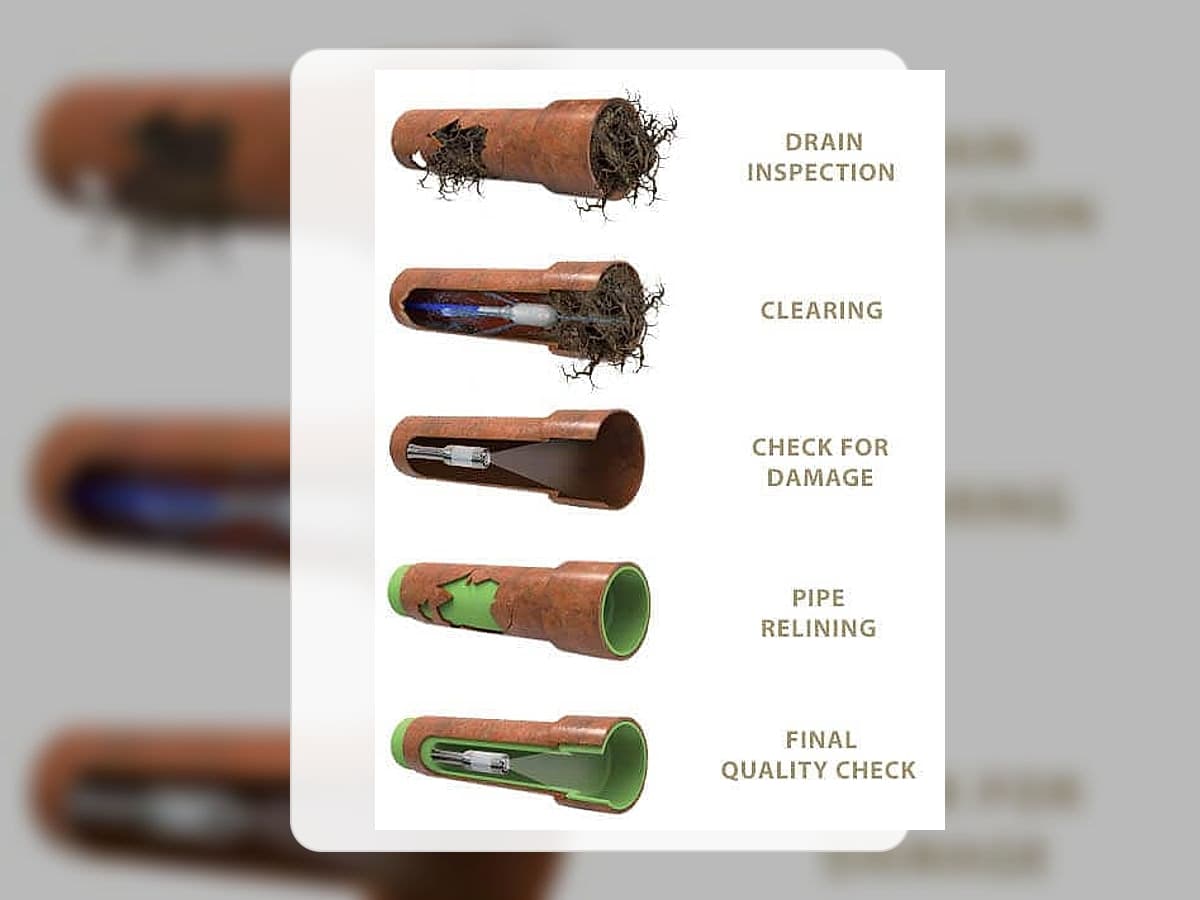
Modern drain diagnostics use CCTV camera inspections to see exactly what's happening inside your pipes:
- Visual Confirmation: See the actual blockage—roots, buildup, structural damage
- Precise Location: Identify exactly where the problem exists
- Assess Pipe Condition: Evaluate overall pipe health, not just the blockage
- Identify Root Causes: Understand whether you're dealing with buildup or structural failure
- Recommend Permanent Solutions: Clear blockages if they're simple accumulations, or recommend relining/repair for structural problems
This diagnostic approach ensures you get the right solution, not just temporary relief.
Temporary Fixes vs. Permanent Solutions
When Clearing Works
Simple drain clearing (plunging, snaking, or hydro-jetting) effectively solves blockages caused by:
- Hair accumulation
- Grease buildup (though prevention is better)
- Foreign objects
- First-time root intrusions (though roots will return)
- Soap scum and product buildup
When You Need Permanent Solutions
Recurring or serious blockages require permanent fixes:
- Tree Root Intrusion: Pipe relining seals entry points permanently
- Cracked or Damaged Pipes: Relining or replacement prevents ongoing problems
- Collapsed Pipes: Excavation and replacement or point repair with relining
- Offset Joints: Relining creates seamless, jointless pipe
- Corroded Pipes: Relining provides new, corrosion-proof interior
Investing in permanent solutions ends the cycle of recurring blockages and emergency plumber callouts.
Preventing Future Drain Blockages
Prevention is always better (and cheaper) than cure. Follow these guidelines to minimize blockage risks:
Kitchen Drains
- Never pour grease, fats, or oils down the drain
- Use sink strainers to catch food particles
- Run hot water for 30 seconds after each use
- Scrape dishes into the bin before washing
- Avoid putting problem foods down garbage disposals
Bathroom Drains
- Install drain covers in all sinks and showers
- Clean drain covers weekly
- Brush hair before showering to remove loose strands
- Only flush toilet paper—nothing else
- Never flush "flushable" wipes
- Collect trimmed hair when shaving
Whole-House Prevention
- Schedule periodic CCTV inspections (every 3-5 years for older properties)
- Address slow drains immediately—they're early warnings
- Manage trees near sewer lines (consider root barriers or relining)
- Avoid chemical drain cleaners that damage pipes
- Have professional drain cleaning done if needed
- Fix small problems before they become large ones
When to Call a Professional
Some situations require immediate professional attention:
- Multiple Fixtures Backing Up: Indicates main line blockage
- Recurring Blockages: Same location blocks repeatedly within months
- Sewage Backup: Waste water coming up through drains—health hazard
- Slow Drainage Throughout House: Systemic problem, not isolated blockage
- Gurgling Sounds: Often indicates venting problems or developing blockages
- Foul Odors: May indicate broken pipes or significant blockages
- Soft Spots in Yard: Could indicate collapsed or leaking pipes
Don't wait for a complete failure. Early professional intervention prevents damage, health hazards, and expensive emergency repairs.
The Bottom Line: Understanding Causes Guides Solutions
Blocked drains aren't mysterious—they have identifiable causes and appropriate solutions. Simple accumulations of hair, grease, or foreign objects can usually be cleared quickly and prevented with better habits. But recurring blockages signal structural problems that require permanent fixes like pipe relining.
At P24 Pipe Relining Sydney, we start every job with a thorough CCTV inspection to identify exactly what's causing your blockages. This diagnostic approach ensures you get the right solution—whether that's simple clearing for a one-time accumulation or permanent pipe relining for structural damage and root intrusion.
Don't keep paying for temporary fixes to recurring problems. Contact us today for a comprehensive drain inspection and discover the real cause of your blockages—and the permanent solution that will end them for good.