Local trenchless repair
No Dig Pipe Relining Sydney
No dig pipe relining for damaged sewer, stormwater, and drainage lines across Sydney, with CCTV diagnosis first and written handover details for the approved repair scope.
No dig pipe relining for damaged sewer, stormwater, and drain lines
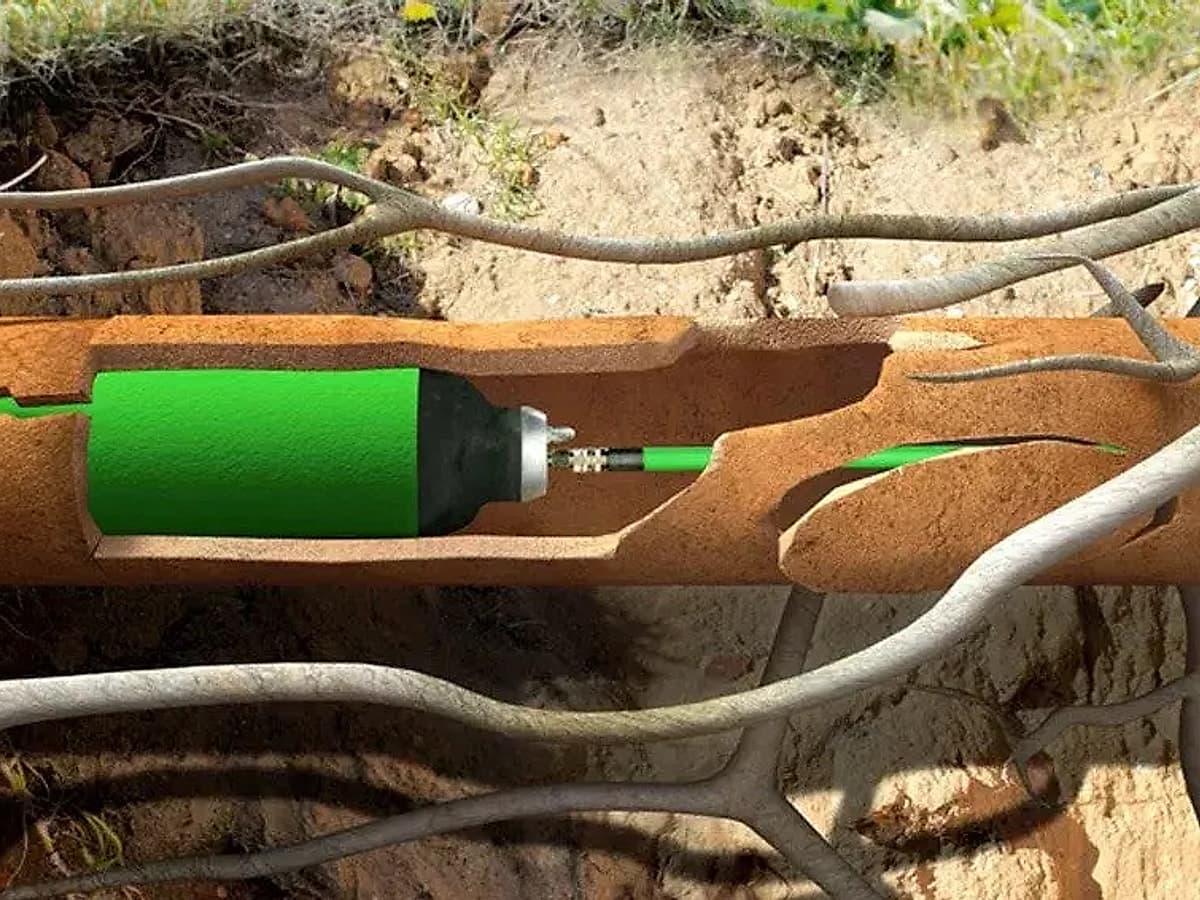
Pipe relining repairs a damaged pipe from the inside when the CCTV inspection shows the line can still be restored in place. That makes it a practical option when the pipe is cracked, root-damaged, worn, or leaking, but you want to avoid digging through concrete, gardens, driveways, or internal floors.
The process starts with the actual condition of the line. If the pipe is suitable, we clean and prepare it, install the liner through the available access point, cure it in place, and check the finished result on camera before handover.
What no dig pipe relining can help with
- Cracked, root-damaged, or worn drainage lines
- Pipes running under driveways, paths, landscaping, or buildings
- Recurring blocked drains linked to structural pipe issues
- Residential, strata, and commercial drainage systems that need a lower-disruption repair path
CCTV
Led Repair Planning
Recent Sydney pipe relining work
These projects show the kind of access issues, property constraints, and drainage problems that often make no dig pipe relining a practical repair path across homes, strata buildings, and active facilities.
Vaucluse Stormwater Pipe Relining
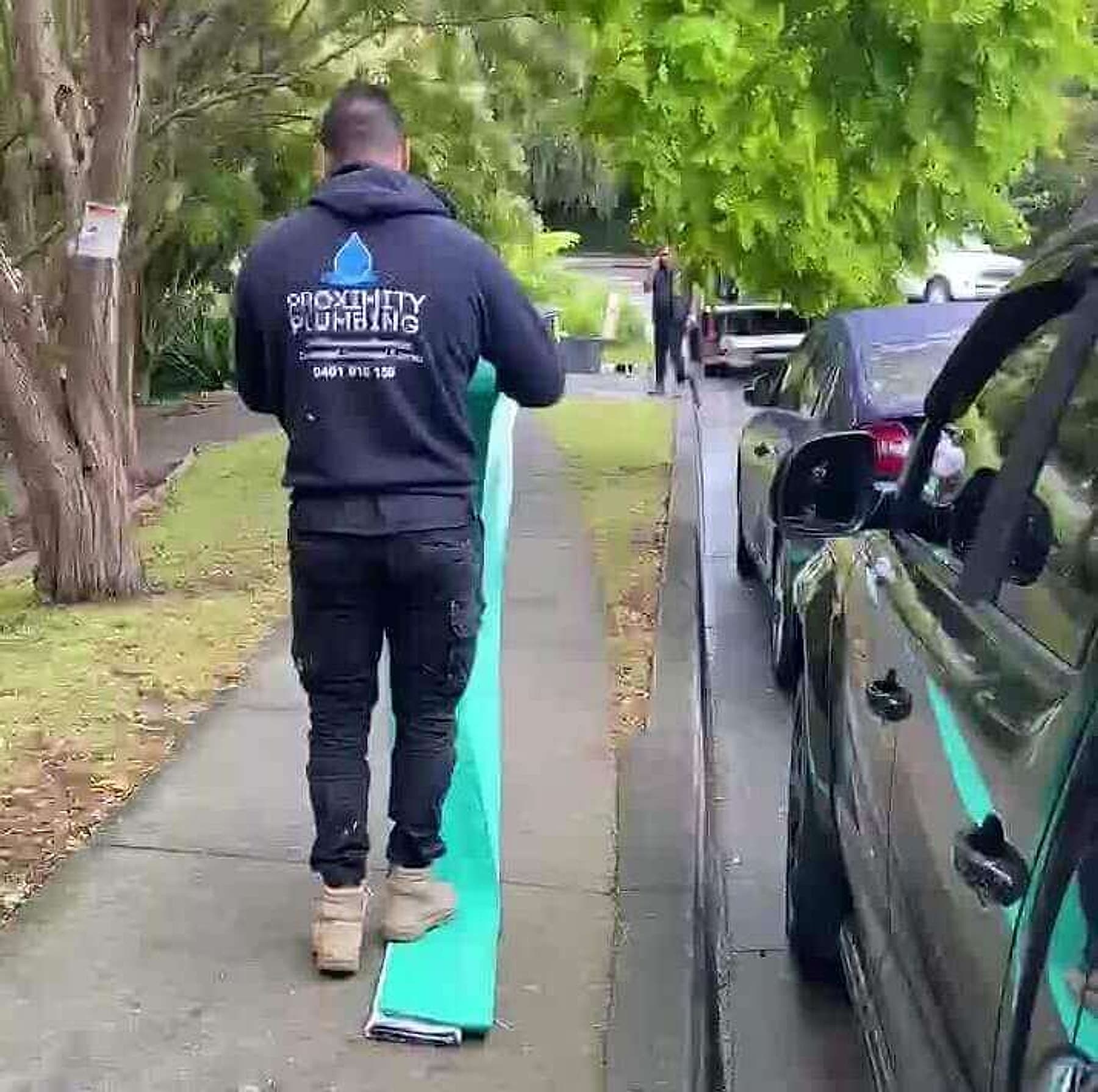
Working with Proximity Plumbing, P24 relined 40 metres of 150mm stormwater pipe running beneath several Vaucluse properties.
Challenge
The stormwater pipe system had multiple breaks and cracks along its 40-metre length, running beneath several houses. Traditional excavation would have required extensive property disruption across multiple homeowners.
Solution
Using trenchless pipe relining technology, we formed a new internal pipe wall within the existing structure. The relining system sealed the defects and restored the stormwater line without digging up gardens or driveways.
Why many Sydney owners compare relining against full replacement
The camera inspection decides which path is actually available, but when the pipe still suits trenchless repair, the main difference is how much disruption the site avoids.
Reline the pipe
Keep the work focused on the damaged section
Relining is often the better fit when the line still has enough shape to be restored and the damaged section sits under driveways, gardens, slabs, or shared surfaces.
- Useful when excavation would spread well beyond the failed section
- Still depends on CCTV, cleaning, access, and the pipe condition
- Often suits homes, shared drainage, and active sites with tighter access
Replace the pipe
Some lines still need another repair path
A collapsed section, a missing run, or a line that cannot be prepared safely may still need excavation or another repair method, which is why the footage comes first.
- Not every cracked or blocked pipe can be relined
- The footage shows whether the line is suitable or not
- Short-term clearing alone is not enough if the pipe wall is failing
What the written pipe relining quote should actually cover
A useful quote should explain the repair scope clearly enough that you know what the footage showed, what preparation is needed, and how the line will be repaired.
- The damaged section being repaired and the access points used for the job
- What cleaning, root removal, or preparation the line needs before the liner goes in
- How pipe diameter, junctions, bends, and run length change the repair scope
- What verification, handover, and warranty documentation comes with the completed work
Already have CCTV footage?
If you already have footage or a prior findings summary, P24 can review it, explain what still needs to be confirmed on site, and show whether the line is likely to move into relining, cleaning, or another repair path.
Send the job details to P24Signs pipe relining may be the right next step
Recurring blockages, root intrusion, and damaged pipes under hard surfaces are some of the most common signs that a trenchless repair may be worth considering.
Recurring blocked drains
If the same line keeps blocking, the problem may be more than surface build-up. Cracks, roots, and pipe wear often need camera inspection and repair, not just another quick clear.
See blocked drainsTree root intrusion
Roots can enter old joints and cracked sections, leading to repeated drainage problems and ongoing structural damage if the line is left untreated.
Damage under concrete or landscaping
When the damaged pipe runs below a driveway, tiled area, slab, or established garden, trenchless repair can make far more sense than open excavation.
You still need to confirm the fault
If you suspect the line is damaged but need clear footage first, a CCTV inspection will show whether relining is suitable or another repair path is needed.
See CCTV inspectionsPipe types and site conditions P24 commonly handles
The method is selected from the line condition, but these are the kinds of pipes and access constraints that often lead into a no-dig repair decision.
Clay and terracotta drains
Older clay and terracotta lines often show root entry, cracks, and worn joints that need CCTV, cleaning, and repair planning rather than repeat clearing alone.
See drain reliningSewer and stormwater runs under hard surfaces
Longer lines under driveways, slabs, courtyards, and finished landscaping are often the jobs where trenchless repair becomes worth checking early.
See sewer reliningStormwater lines with access constraints
Stormwater faults can sit below gardens, retaining work, or finished outdoor areas where opening the full run would spread disruption quickly.
See stormwater reliningShared and commercial drainage systems
P24 also handles active sites, unit blocks, and shared drainage where staged access, reporting, and lower-disruption repair planning all matter.
See commercial and strata workHow no dig pipe relining works
Every job is shaped by the CCTV findings, but pipe relining usually moves through these stages from diagnosis to final camera check.
Inspect the line on CCTV
First stepWe inspect the line to locate the fault, confirm the pipe condition, and work out whether relining is the right repair path.
Explain the repair scope
After inspectionWe explain what the camera shows, what preparation is needed, and issue a written quote for the work that is actually required.
Clean and prepare the pipe
Before liningRoots, scale, grease, and debris are removed so the liner can be installed into a properly prepared pipe.
Install the liner
Installation stageThe resin-saturated liner is positioned through the chosen access point so it reaches the damaged section accurately.
Cure the liner in place
Curing stageThe liner is cured so it forms the new internal wall of the pipe and restores the line from within.
Carry out a final camera check
Before handoverWe inspect the finished result on camera and document the completed repair before handover.
Read the main guides before you approve the repair
These articles cover cost, suitability, warranty questions, and the warning signs that usually push the job beyond a simple clear.
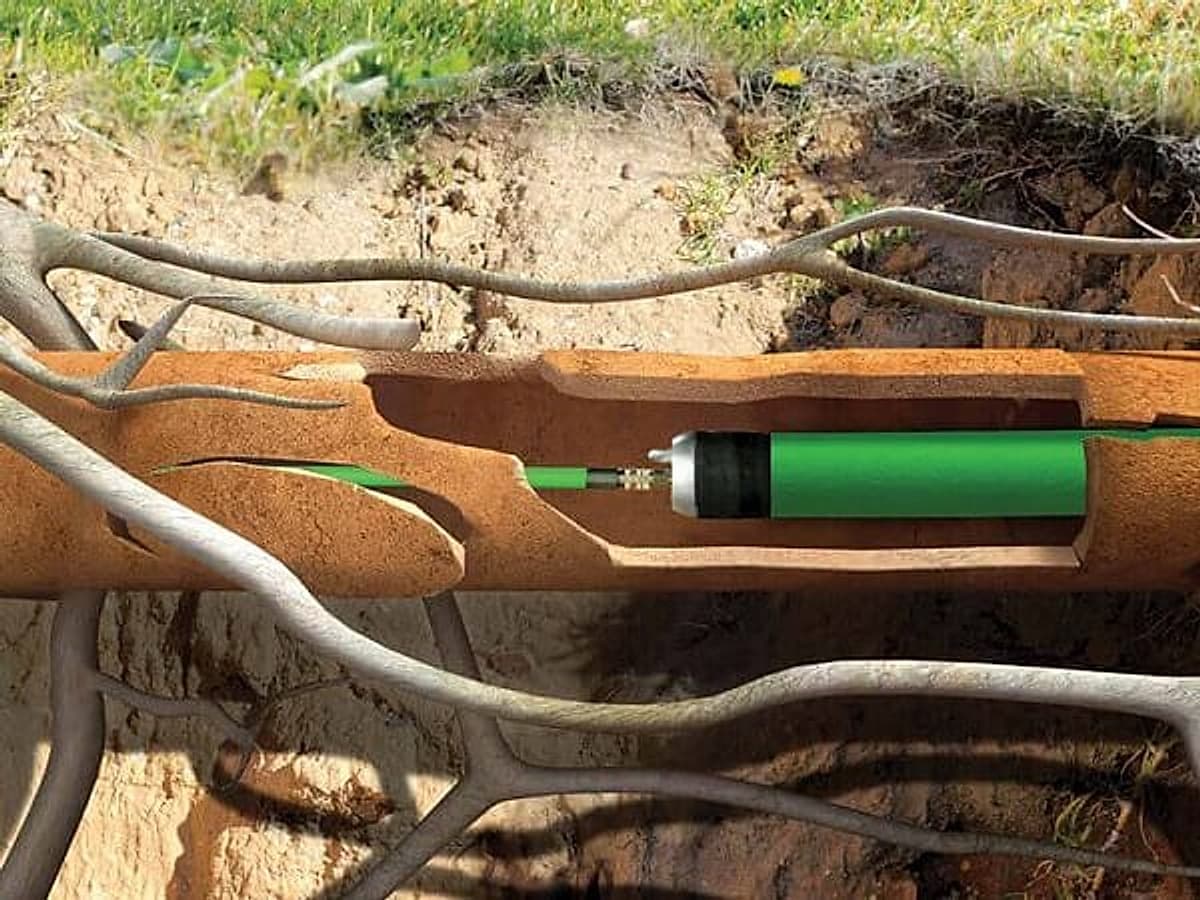
Pipe Relining Cost Sydney: Quote and Price Guide
Understand what usually changes pipe relining cost in Sydney, from access and pipe length to CCTV findings, cleaning, and final repair scope.
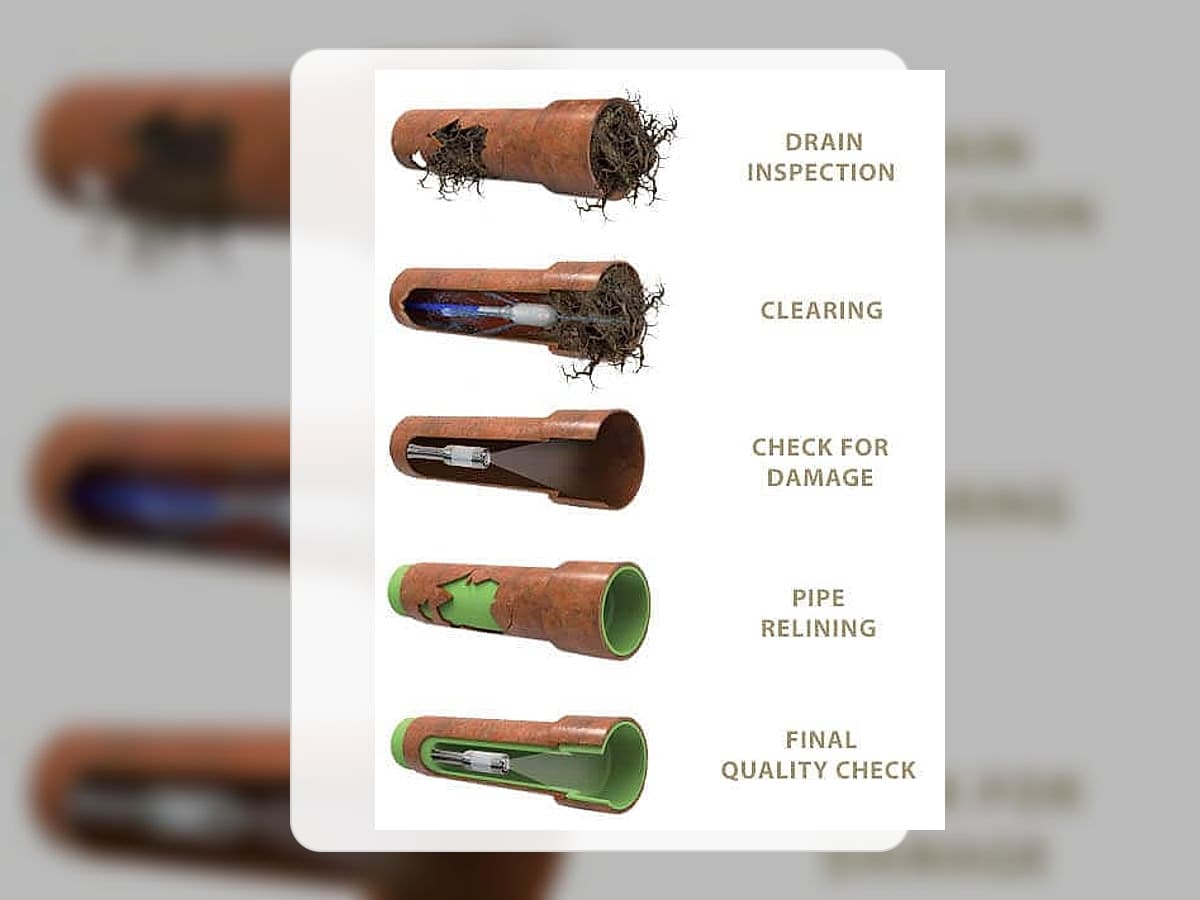
How Does Pipe Relining Work?
See how CCTV, cleaning, liner installation, curing, and final camera checks fit together when a damaged line is repaired with pipe relining.
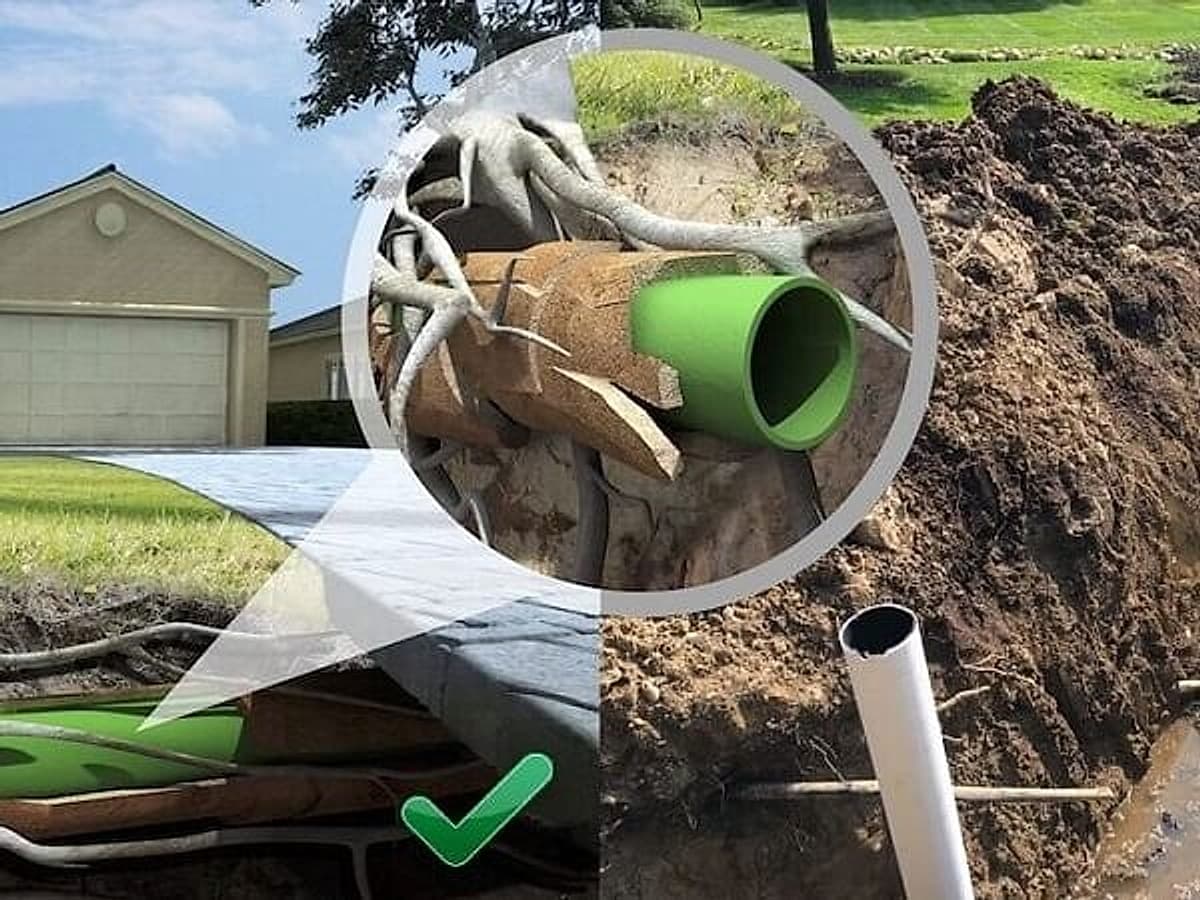
Pipe Relining Vs Pipe Replacement
Compare pipe relining with replacement so you can understand where trenchless repair fits, when excavation may still be needed, and what affects the decision.
Pipe relining areas across Sydney
Start with a key Sydney region if you want local pipe relining coverage, suburb links, and nearby areas.
40 suburbs
Eastern Suburbs
Includes Bondi, Bondi Junction, Randwick and nearby suburbs across the same region.
29 suburbs
Sydney City
Includes Surry Hills, Redfern, Pyrmont and nearby suburbs across the same region.
47 suburbs
Inner West
Includes Balmain, Marrickville, Leichhardt and nearby suburbs across the same region.
68 suburbs
North Shore
Includes Chatswood, North Sydney, Lane Cove and nearby suburbs across the same region.
46 suburbs
Northern Beaches
Includes Manly, Dee Why, Mona Vale and nearby suburbs across the same region.
24 suburbs
Hills District
Includes Castle Hill, Baulkham Hills, Kellyville and nearby suburbs across the same region.
37 suburbs
Parramatta
Includes Epping, Westmead and nearby suburbs across the same region.
14 suburbs
Ryde
Includes Eastwood, Macquarie Park, North Ryde and nearby suburbs across the same region.
38 suburbs
St George
Includes Hurstville, Kogarah, Rockdale and nearby suburbs across the same region.
39 suburbs
Sutherland Shire
Includes Cronulla, Miranda, Caringbah and nearby suburbs across the same region.
75 suburbs
Western Sydney
Includes Blacktown, Penrith, St Marys and nearby suburbs across the same region.
76 suburbs
South West Sydney
Includes Liverpool, Bankstown, Cabramatta and nearby suburbs across the same region.
Pipe Relining Sydney FAQs
Find answers on cost, suitability, warranty, CCTV diagnosis, and the next steps when a damaged pipe may need relining.
No dig pipe relining is a trenchless repair method for damaged pipes. After CCTV diagnosis and cleaning, a liner is installed inside the existing pipe and cured in place so the line is restored from within without full excavation.
Suitability depends on the CCTV findings. We look at the pipe material, diameter, access points, bends, and the level of damage before recommending relining or another repair path.
Cost depends on pipe length, diameter, access, cleaning requirements, and the amount of preparation needed before the liner goes in. We inspect first and then quote the actual repair scope in writing.
No. Some lines are suitable for relining and some are not. A collapsed section, a pipe with poor access, or a layout that cannot be lined safely may need a different repair method, which is why the CCTV inspection matters.
Need a no dig pipe relining quote?
Talk to P24 about what the CCTV inspection has shown, what access is available, and whether no dig pipe relining is the right repair path for your Sydney property.
Call to discuss the issue and the next inspection or repair step.