Pipe Relining Vs Pipe Replacement
Compare pipe relining with replacement so you can understand where trenchless repair fits, when excavation may still be needed, and what affects the decision.
Short answer
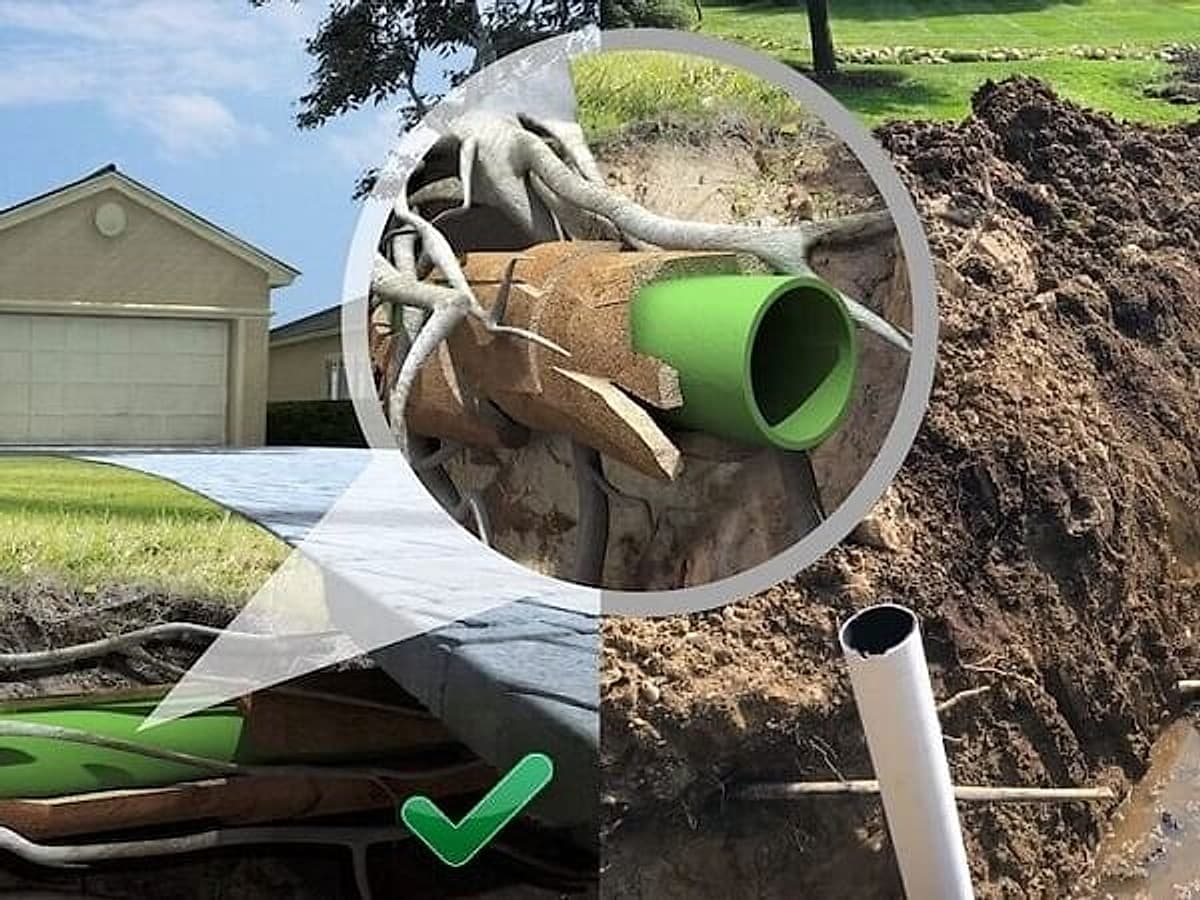
Pipe relining is often worth checking when the damaged line can still be restored from within, while full replacement is more likely when the pipe is too collapsed or unsuitable to line safely.
P24 Pipe Relining Sydney
6 min read
Key Takeaways
- The right choice depends on the pipe condition and access, not preference alone
- Pipe relining is often checked first when excavation would be disruptive
- CCTV is what confirms whether the line is suitable to reline
Pipe relining vs replacement is usually the question people ask once CCTV has confirmed the line is damaged. In 2026, the decision still comes back to the same point: can the pipe be restored safely from within, or does the condition of the line make excavation and replacement the better option?
There is no honest answer without the footage. Some damaged pipes are strong relining candidates. Others are too collapsed, too disrupted, or too unsuitable to restore from inside the existing run. The useful comparison is not method against method in the abstract. It is method against the real condition of the line.
Pipe Relining Vs Replacement: The Quick Comparison
The basic trade-off looks like this:
| Question | Pipe relining | Pipe replacement |
|---|---|---|
| Surface disruption | Usually lower if the line suits relining | Often higher because the pipe run has to be opened |
| Access needed | Uses existing access points where possible | Usually needs excavation to reach the pipe |
| Best fit | Damaged lines that can still be restored from within | Lines that are too collapsed or unsuitable to line |
| Scope driver | CCTV suitability and preparation | Excavation, removal, and rebuild scope |
| Property impact | Often lower where the pipe runs under built areas | Often broader where surfaces must be opened |
That table is only a starting point. The real decision comes from what the footage shows.
When Pipe Relining Is Usually Worth Checking First
Pipe relining is often the better first option to assess when the line is damaged but still has enough shape and continuity to restore from within.
This often applies when CCTV shows:
- cracks or wear through part of the run
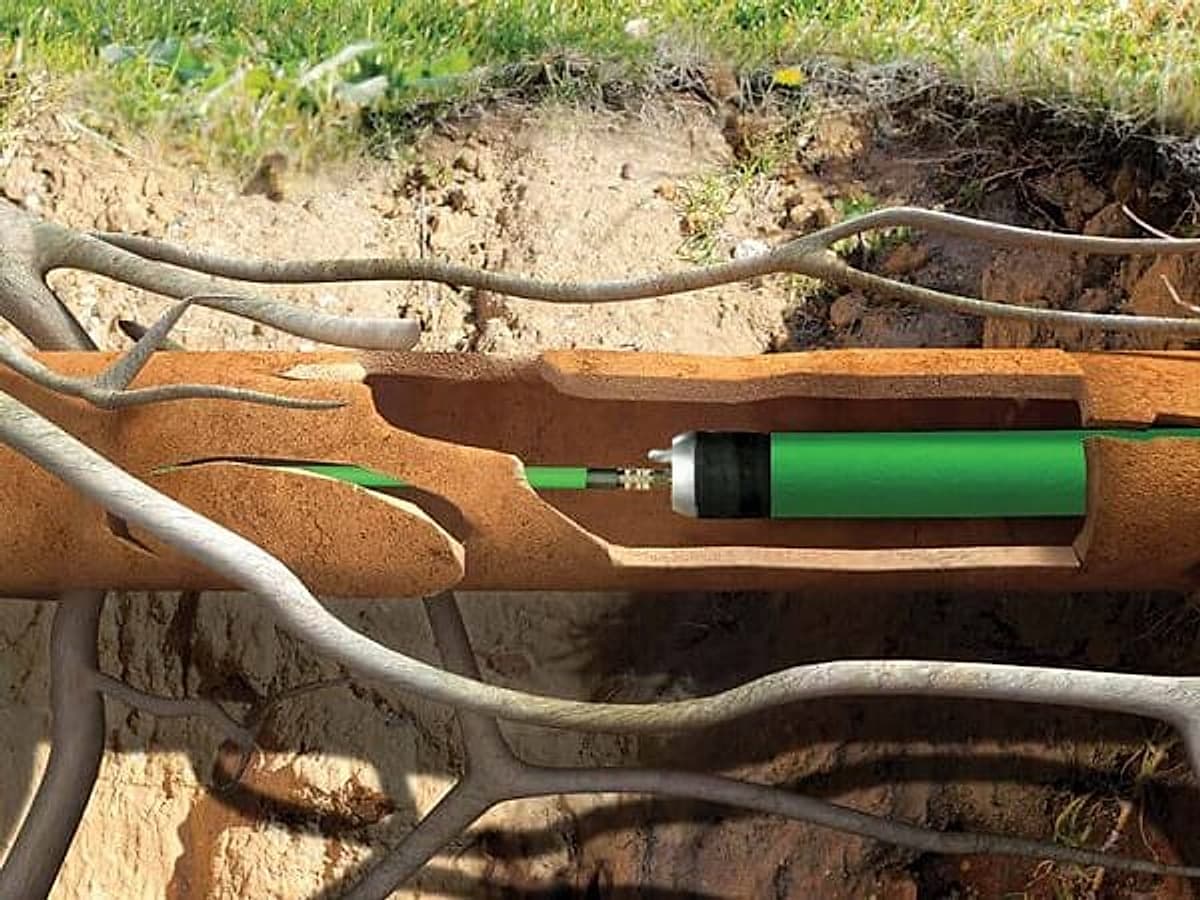
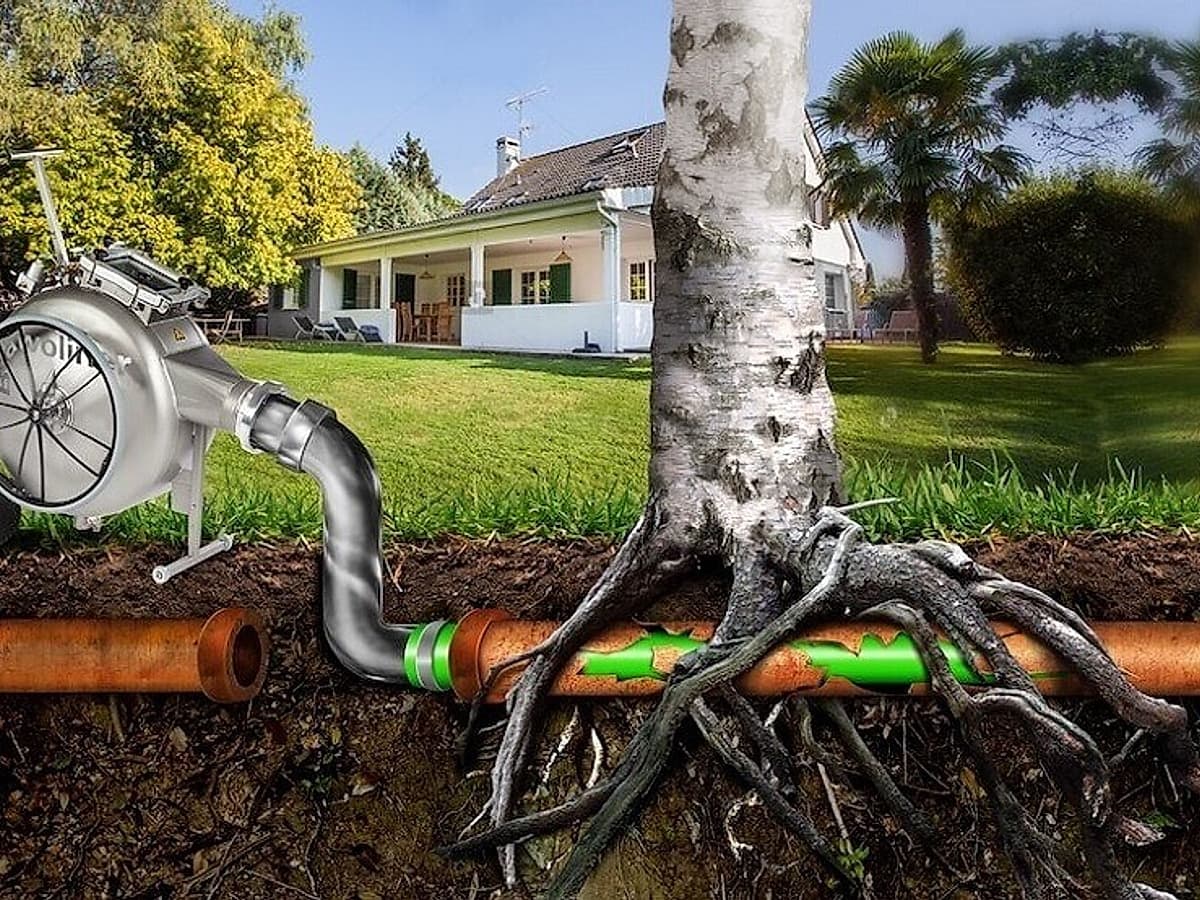
- root entry through joints or defects
- repeated faults in a section under driveways, paths, gardens, or slabs
- damage where open excavation would spread the job far beyond the failed section
In those cases, the main value of relining is not just that it is trenchless. It is that the repair can stay focused on the damaged section without automatically turning into a larger surface-restoration job. If that sounds like your situation, the main Pipe Relining Sydney page is the right next reference.
When Pipe Replacement Usually Makes More Sense
Replacement is more likely to be the better path when the line is too far gone to restore safely from inside.
That can include:
- sections that are fully collapsed
- lines with severe displacement that cannot be prepared properly
- layouts that do not allow a practical lining approach
- situations where the pipe route itself has to change
Replacement may also be the right choice when the project needs more than repair. For example, if the site requires rerouting, broader redesign, or major changes to the drainage layout, excavation may fit the scope better.
The Property Conditions Often Decide The Feeling Of The Job
This is where the comparison becomes real for owners.
If the damaged line runs under:
- a driveway
- an internal floor
- landscaped gardens
- common property
- a busy commercial area
then replacement often affects more than the pipe. It can affect access, restoration, timing, and who else is disrupted while the work happens.
That does not make relining automatically right, but it is why many people check relining carefully before they accept excavation.
CCTV Is What Makes The Comparison Honest
Without a camera inspection, the comparison is mostly guesswork.
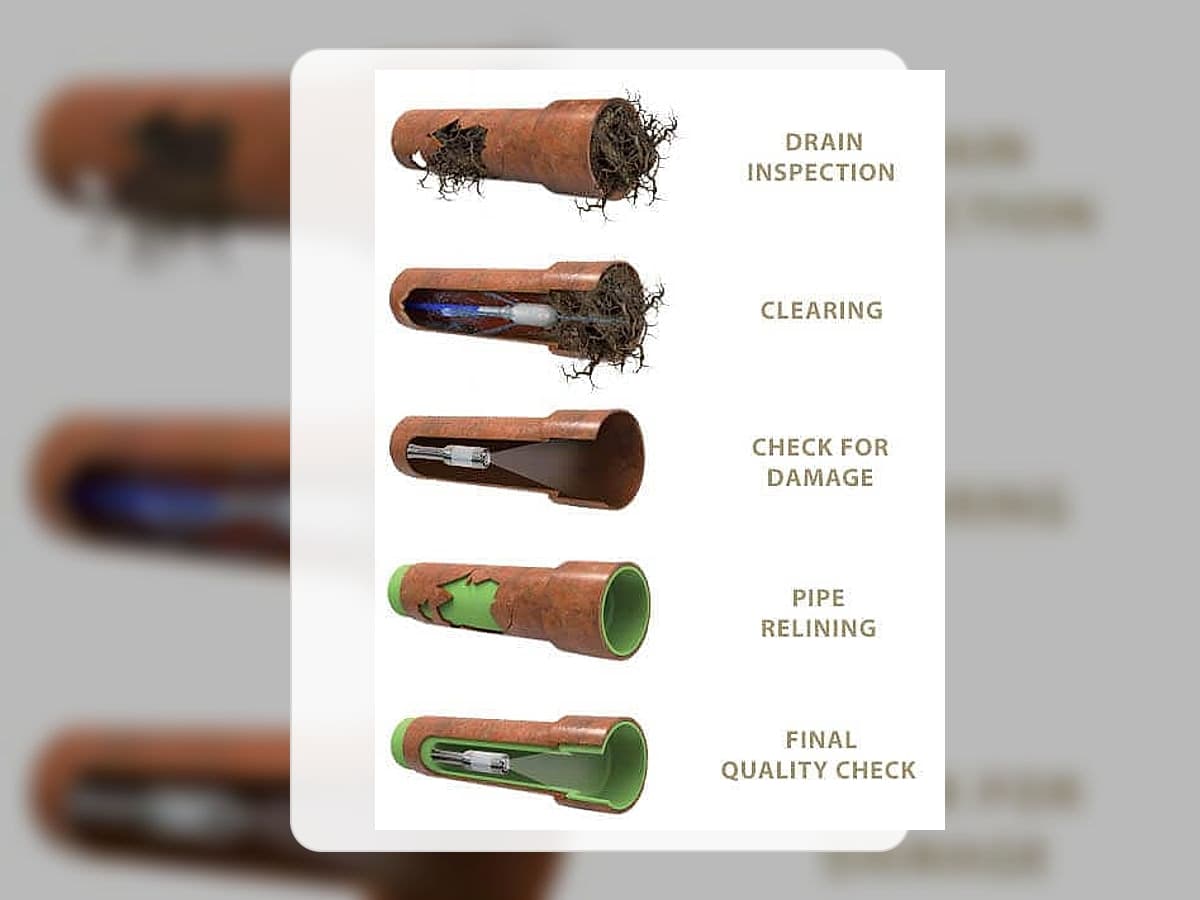
A CCTV drain inspection helps answer the questions that actually matter:
- how bad is the damage?
- where does it sit?
- how much of the line is involved?
- can the host pipe still be restored from within?
- what preparation is needed first?
This is why pipe relining vs replacement is not usually the first conversation. The first conversation is usually about the line itself.
Preparation Matters More Than Most People Expect
Some pipes look unsuitable until they have been cleaned properly. Others look manageable until cleaning reveals a broader structural problem.
That is why preparation sits inside the decision:
- the line may need root removal
- heavy build-up may need clearing
- the true condition may only become obvious after cleaning
This is also where related services matter. A line may start as a blocked drain job, move through cleaning or CCTV, and only then become a relining or replacement decision.
Cost Should Be Compared Against Scope, Not Guesswork
People often want to compare cost before the scope is clear. That usually leads to weak assumptions.
Relining and replacement are priced differently because they are different jobs:
- relining follows footage, preparation, installation, and final verification
- replacement follows excavation, pipe removal, new installation, and site restoration
The quote you should trust is the one that matches the actual condition of the line. If you want to unpack the relining side of that more closely, the pipe relining cost Sydney guide covers the factors that usually change the price once the scope is clear.
Residential, Strata, And Commercial Sites Can Land Differently
Residential properties
On a home, the choice often turns on access, surface impact, and whether the damaged section can be lined without opening large areas of the property.
Shared drainage
On shared lines, the comparison can also involve staging, access windows, tenant impact, and how much of the site is affected while the work happens.
Active commercial sites
On commercial jobs, the lower-disruption path can matter more because the pipe repair may sit inside a site that still has to function while works are underway.
Questions To Ask Before You Decide
If you are comparing pipe relining vs replacement, ask these questions:
What exactly did the CCTV show?
The decision should always start there.
Is the damaged section suitable to restore from within?
That is the core relining question.
What sits above the damaged line?
Access and restoration may matter as much as the repair itself.
Does the quote match the actual repair scope?
If not, the comparison is still too vague.
What happens if the line needs cleaning first?
The answer should be clear before the job is approved.
A Practical Way To Think About The Choice
Pipe relining and replacement are not competing sales labels. They are two different repair paths for two different kinds of line condition.
Relining is usually worth checking first when the damaged pipe can still be restored from within and excavation would widen the job unnecessarily. Replacement is more likely when the line is too collapsed, too disrupted, or too unsuitable to line safely.
The Bottom Line
Pipe relining vs replacement is only a useful comparison once the line has been inspected properly. If CCTV shows the damaged section can still be restored from within, relining is often the cleaner path to assess first. If the footage shows the pipe is too far gone or the route itself needs changing, replacement may be the stronger fit.
Start with the actual line, not the label. Once the footage is clear, the right repair path usually becomes much easier to defend.
Next step
Need to confirm what the line is actually doing?
If the blockage keeps returning or the cause is still unclear, start with the footage and the condition of the line before anyone guesses at the repair path. The most relevant service after this guide is usually Pipe Relining Sydney.
Related services
Sydney coverage
Need a local pipe relining page after this guide?
Start with the Sydney locations hub if you want region and suburb guidance, then move into the area that matches the property.
Pipe Relining Sydney Locations
Start with the Sydney locations hub, then move into the right region.
Open pagePipe Relining Eastern Suburbs
Browse local pipe relining guidance for the Eastern Suburbs.
Open pagePipe Relining Inner West
See pipe relining services and completed work across the Inner West.
Open pagePipe Relining North Shore
See pipe relining services across the North Shore.
Open page
P24 Pipe Relining Sydney
Sydney's Pipe Relining Specialists
Sydney pipe relining and drain repair specialists with more than 20 years of experience, German Brawoliner equipment, clear quotes, and a 25-year warranty on eligible relining work.