Local trenchless repair
CCTV Drain Inspection Sydney
CCTV drain inspection across Sydney for recurring blockages, pre-purchase drain checks, pipe damage diagnosis, and clear repair planning from recorded footage.
CCTV drain inspection Sydney: what the camera actually shows
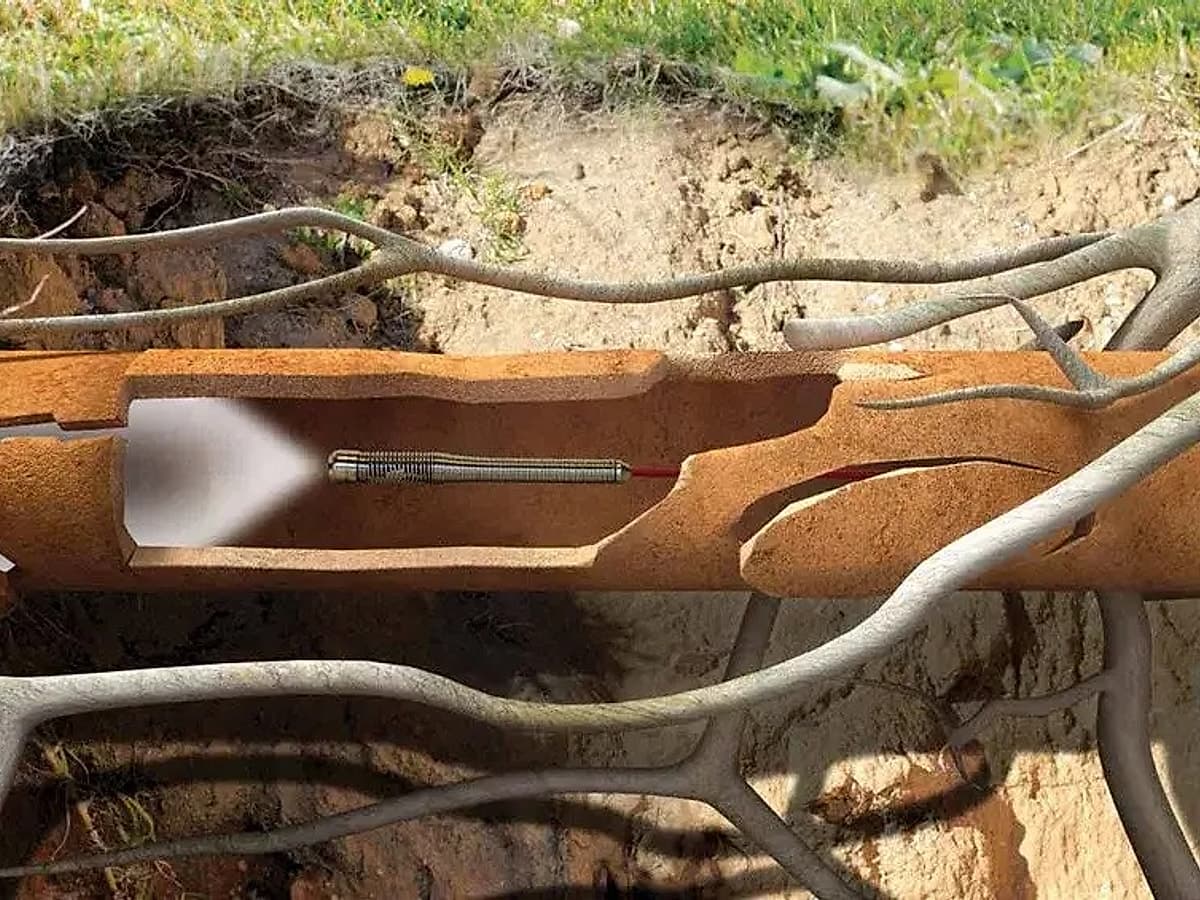
A CCTV drain inspection in Sydney uses a drain camera, or pipe inspection camera, to inspect the inside of the line and show whether the issue is buildup, root entry, cracking, joint failure, wear, or another drainage fault. It replaces guesswork with footage you can review and act on.
That matters when blocked drains keep returning, when a buyer needs a pre-purchase drain inspection, or when a repair decision depends on the actual condition of the pipe. Instead of paying for the wrong fix first, you can see what the line is doing and choose the right next step.
Best-fit situations for CCTV
- Recurring blocked drains where the real cause still is not clear
- Pre-purchase drain inspections before settlement or repair negotiations
- Drain camera inspection before pipe relining, excavation, or larger repair work
- Strata and commercial surveys that need footage and a clear written scope
CCTV
Drain Footage
Who usually books CCTV drain inspections in Sydney
CCTV drain inspections are most useful when you need clear proof of what is happening in the line before you clean it, buy the property, approve works, or plan repairs.
Recurring blocked drains
When the same drain keeps backing up, a drain camera inspection shows whether the cause is grease, roots, debris, or pipe damage rather than another short-term blockage.
See blocked drainsPre-purchase drain inspections
Buyers and sellers use CCTV when they need drainage footage and a written findings summary before settlement or repair negotiations.
Before pipe relining or excavation
CCTV confirms whether the line still suits trenchless repair, what preparation is needed, and whether another repair path makes more sense.
See pipe reliningStrata and commercial drain surveys
Managers use CCTV to inspect multiple lines, document recurring drainage faults, and plan scope before approving larger works.
What a drain camera inspection can actually confirm
The footage shows whether you are dealing with a flow restriction, a structural fault, or a line that needs a different repair path.
Blockages and heavy buildup
CCTV shows whether grease, scale, debris, or waste is restricting the line over a longer run rather than at one small point.
- Useful when earlier clearing has not solved the problem
- Shows whether the line needs a proper clean rather than another quick attempt
- Often points to high-pressure jetting as the next step
Tree root entry
The footage can show where roots are getting into the pipe and whether they are tied to a crack, failed joint, or worn section of line.
- Useful when roots keep returning after earlier work
- Separates a one-off root issue from structural damage
- Helps plan cleaning first and repair second where needed
Cracks, joint issues, and wear
A pipe inspection camera can show the structural condition of the line so you can see whether the fault suits pipe relining or another repair path.
- Confirms whether the issue is in the pipe itself
- Useful before spending money on repeat clearing
- Supports relining and repair planning with footage
Severe faults that change the plan
Some inspections show conditions that are not a simple cleaning or relining job, such as access problems or sections of line that need another repair method.
- Useful before approving excavation or larger repairs
- Shows when the line needs a different scope
- Helps avoid paying for the wrong first step
What you get back from the inspection
Useful drainage reporting is more than a quick yes or no. The handover should show what was found, where it sits, and what to do next.
Recorded footage
Video footage gives you visual proof of what is happening inside the line and lets you review the condition of the drain properly.
Clear findings summary
You get a plain-language explanation of whether the footage shows a blockage, root entry, cracking, joint issues, wear, or another drainage fault.
Written report options
Where the booked scope calls for it, reporting can include written findings, issue photos, and location mapping. This is especially useful for pre-purchase, strata, and commercial work.
The right next-step plan
The inspection should lead to a practical next move, whether that is blocked drain work, drain cleaning, pipe relining, monitoring, or a different repair method.
Projects and feedback that show why CCTV matters
These examples show why drain footage changes the quality of the repair decision, especially when the first symptom does not tell the full story.
Castle Hill Residential Pipe Relining
Pipe relining work at a Castle Hill home restored ageing sewer pipes with a trenchless repair method and avoided excavation.
Challenge
The residential property had aging clay sewer pipes with multiple cracks and root intrusion causing frequent blockages. The homeowner wanted a long-term repair path without disrupting their landscaped garden.
Solution
We used CCTV inspection to identify the affected sections, then applied trenchless pipe relining technology to form a new internal pipe wall within the existing structure. The entire process was completed in one day with zero excavation, preserving the garden and driveway.
More relevant work
Willoughby, Sydney
Willoughby Pipe Relining Project
P24 used CCTV and trenchless relining to restore a damaged sewer at a Willoughby home without excavating through the established garden and driveway.
Camperdown, Sydney
Royal Prince Alfred Hospital Pipe Relining
P24 repaired the damaged cast-iron stormwater system serving the Royal Prince Alfred Hospital roof, working across multiple levels while the hospital remained operational.
How a CCTV drain inspection usually works
You get camera footage, a clear explanation of the fault, and practical advice on what the line needs next.
Confirm why the line needs inspection
Initial callWe clarify whether the job is tied to recurring blocked drains, a pre-purchase drain inspection, repair planning, or a broader strata or commercial drainage survey.
Access the drain and run the camera
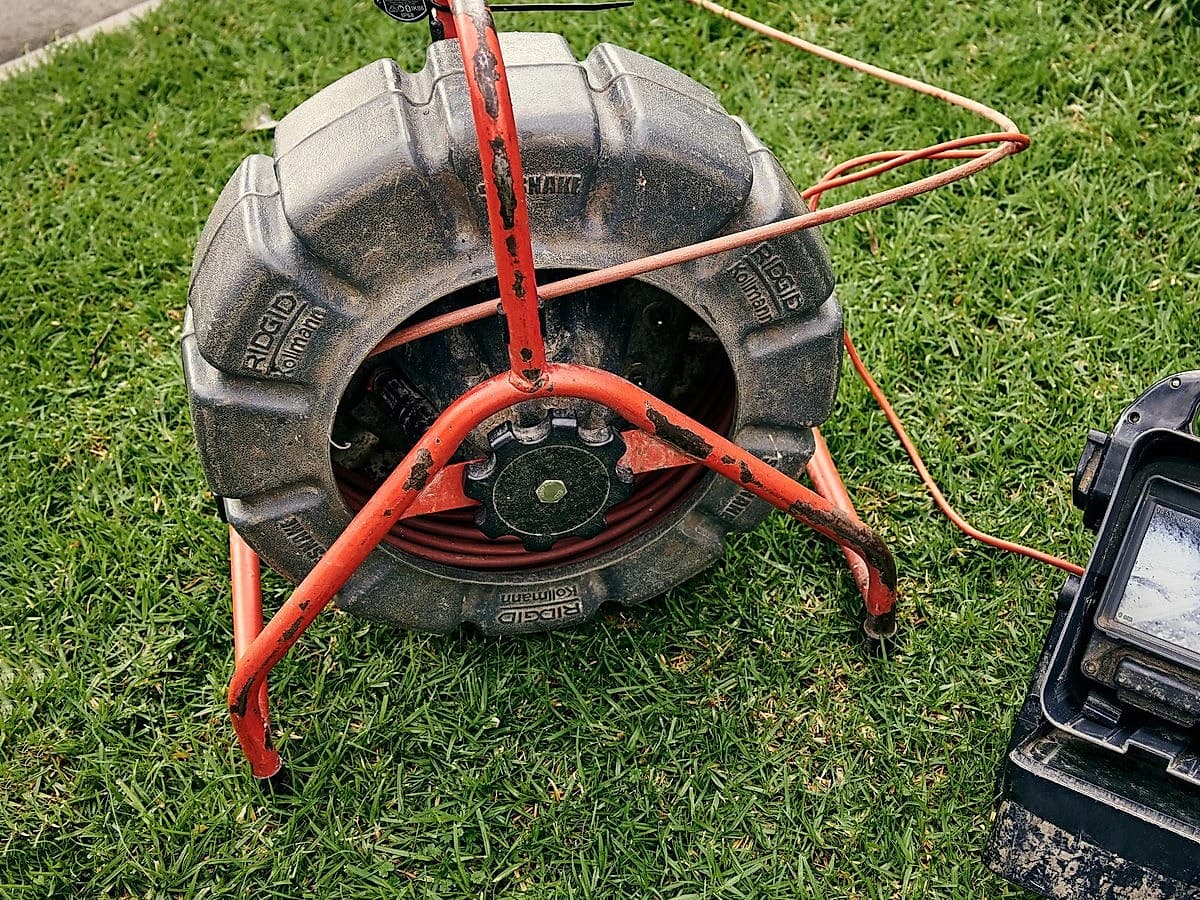
On siteWe use the most suitable access point for the line and move the drain camera through the section that needs to be checked.
Record footage and identify the fault
During inspectionThe camera footage is used to confirm whether the line is dealing with buildup, roots, cracking, joint issues, wear, or another fault.
Explain the findings clearly
Before handoverWe show what the footage means, where the issue sits, and what level of reporting is being handed over with the job.
Plan the next step
Next-step planningIf more work is needed, we explain whether the footage points to drain cleaning, pipe relining, blocked drain work, or another repair path.
What the footage usually points to next
Most CCTV drain inspections end with one of these outcomes, depending on whether the line needs cleaning, repair, or a broader scope.
The line needs a proper clean
The footage may show grease, scale, roots, or debris restricting the run. In that case, the next step is usually drain cleaning rather than a structural repair.
- Buildup is restricting flow through the line
- Roots need clearing before the pipe can be assessed again
- The drain needs high-pressure cleaning, not guesswork
The line suits repair planning
If the camera shows cracking, failed joints, or other structural wear, the next step may be pipe relining or another repair path.
- Damage is visible in the pipe wall or joints
- The line may still be suitable for trenchless repair
- A written quote can be based on the footage
The line needs a different plan
Some inspections show access issues, severe faults, or wider drainage problems that need a broader blocked drain or excavation scope.
- The camera shows a problem that cleaning alone will not solve
- The drainage issue needs another repair method
- The footage helps set the correct scope before work begins
What changes the CCTV drain inspection quote
Inspection pricing depends on what the camera needs to cover and how much reporting you need back from the job.
How much of the drainage system needs checking
A short single-line inspection is very different from a broader survey covering several drains, longer runs, or a larger property.
Access and pipe layout
Access points, pipe diameter, bends, and the condition of the line all affect how long the camera work takes on site.
Reporting depth
A standard inspection, a pre-purchase drain inspection, and a commercial or strata report do not all require the same level of footage, photos, mapping, or documentation.
When CCTV footage moves straight into pipe relining
The footage often answers the repair question immediately. These are the common outcomes when the camera shows the problem is in the pipe itself rather than in surface debris alone.
Cracks and failed joints are already visible
If the footage shows structural damage and the line still has enough shape to restore, the next conversation usually moves into relining suitability and the written repair scope.
See pipe reliningThe line still needs preparation before the repair
Some inspections show the pipe can likely be relined, but roots, scale, grease, or debris still need to be stripped out properly before the scope is final.
See drain cleaningThe footage shows a wider drainage issue
If the camera shows an active blockage or a broader system issue, the next step may still be blocked drain work before the final repair path is confirmed.
See blocked drainsHelpful guides after the footage is reviewed
These guides explain what the footage can lead to next, including repair suitability, warning signs, and the questions people usually ask before approving more work.
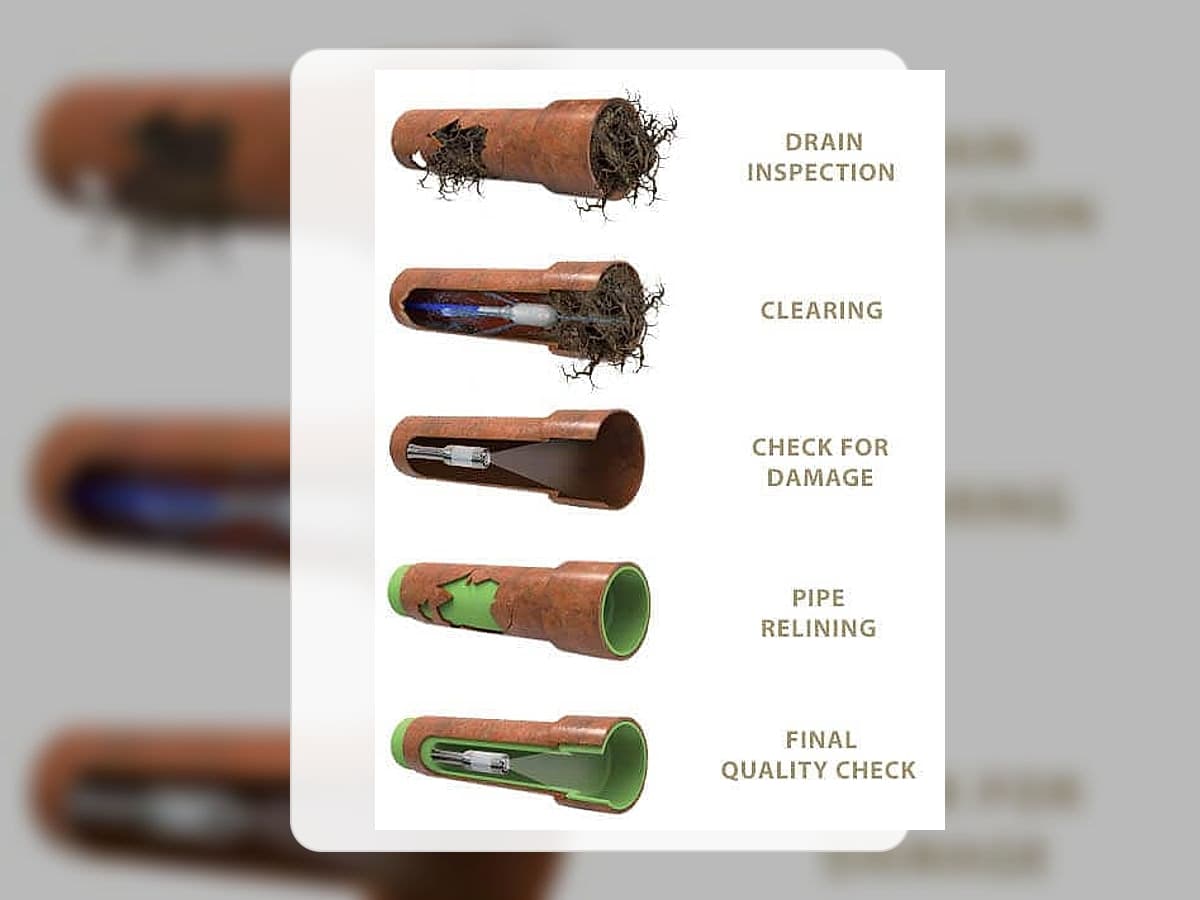
How Does Pipe Relining Work?
See how CCTV, cleaning, liner installation, curing, and final camera checks fit together when a damaged line is repaired with pipe relining.
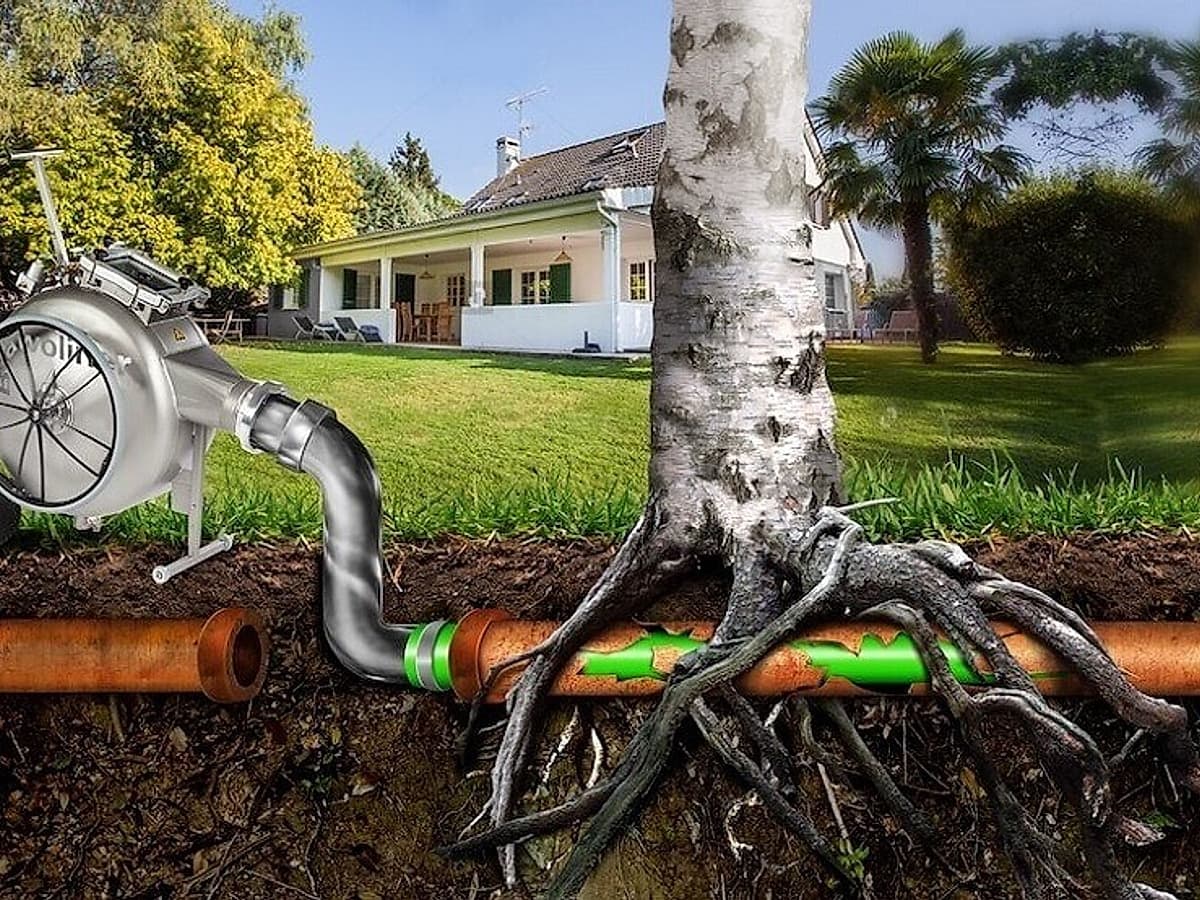
Signs You Need Pipe Relining
Learn the signs that usually push the conversation beyond a simple clear, including recurring blockages, root entry, and CCTV evidence of pipe damage.

Pipe Relining Warranty: What To Check Before You Book
Learn what to check in a pipe relining warranty, what the paperwork should match, and how warranty details should be explained before the job starts.
CCTV Drain Inspection Sydney FAQs
Straight answers about bookings, reports, pricing, and what happens after the footage is reviewed.
A CCTV drain inspection uses a drain camera to inspect the inside of the line and show whether the problem is a blockage, root entry, cracking, joint failure, wear, or another drainage fault. It gives you footage of what is happening below ground before you spend money on the next step.
CCTV drain inspections are useful when a blockage keeps returning, the fault location is unclear, you are planning pipe relining, or you need a pre-purchase drain inspection before committing to a property or a repair budget.
Yes. CCTV is a practical option when buyers, sellers, and property managers need drainage footage and a written findings summary before settlement, negotiations, or repair approval. The reporting detail depends on the scope you book.
A drain camera inspection can show blockages, grease and debris buildup, root entry, cracking, joint issues, wear, and other faults that affect the condition of the pipe. It can also show when the line may need a different repair path rather than cleaning alone.
You receive a clear explanation of what the footage shows. Depending on the booked scope, that can also include recorded footage, a written findings summary, photos, location mapping, and the recommended next step for the line.
If CCTV shows roots, buildup, or debris, the next step may be drain cleaning. If it shows cracking, failed joints, or structural wear, the line may suit pipe relining or another repair path depending on the footage.
The quote depends on how many lines need inspecting, line length, access conditions, the detail needed in the report, and whether the job is a standard inspection, a pre-purchase report, or a larger commercial or strata survey.
Yes. CCTV helps confirm whether the line still has the shape and condition needed for relining, what preparation is required first, and whether another repair option would be more suitable.
Need clear footage before you approve drain work?
Talk to P24 about CCTV drain inspections, pre-purchase drain checks, blocked drains, drain cleaning, and the right repair path once the footage is clear.
Call to discuss the issue and the next inspection or repair step.