From makeshift repairs in 1970s England to today's sophisticated trenchless technology, pipe relining has revolutionized how we fix aging infrastructure. Understanding this remarkable journey—and the exciting innovations on the horizon—reveals why pipe relining isn't just a current solution, but the future of pipe repair worldwide.
The Problem That Sparked Innovation: 1970s Infrastructure Crisis
To appreciate pipe relining's significance, we must understand the problem it solved. By the early 1970s, cities across the developed world faced a mounting crisis:
- Aging Infrastructure: Pipes installed 50-100 years earlier (Victorian era and early 20th century) were failing en masse
- Excavation Challenges: Dense urban development made traditional dig-and-replace prohibitively expensive and disruptive
- Cost Constraints: Municipalities couldn't afford to excavate and replace entire sewer networks
- Traffic Disruption: Major roadworks caused unacceptable traffic and business disruption
- Property Damage: Excavating under buildings and infrastructure risked structural damage
The traditional approach—excavate, remove old pipes, install new ones—was failing to keep pace with the problem. Infrastructure was deteriorating faster than it could be replaced. A new solution was desperately needed.
The Birth of Pipe Relining: 1971 UK Innovation
The breakthrough came in 1971 from Eric Wood, an English civil engineer working for the London-based company Insituform. Wood developed what would become the Cured-In-Place-Pipe (CIPP) method—the foundation of modern pipe relining.
The Original Insituform Process
Wood's innovation was elegantly simple yet revolutionary:
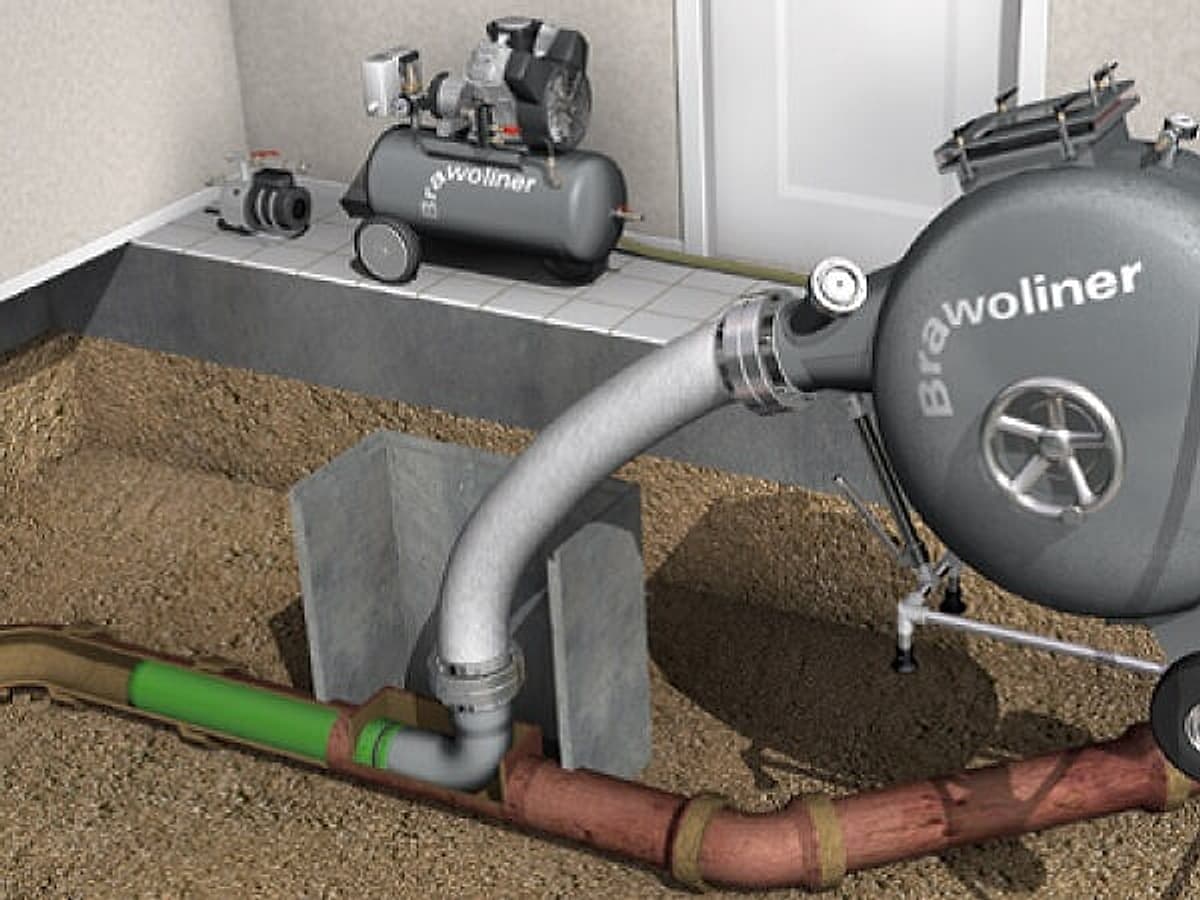
- A flexible fabric tube was saturated with liquid resin
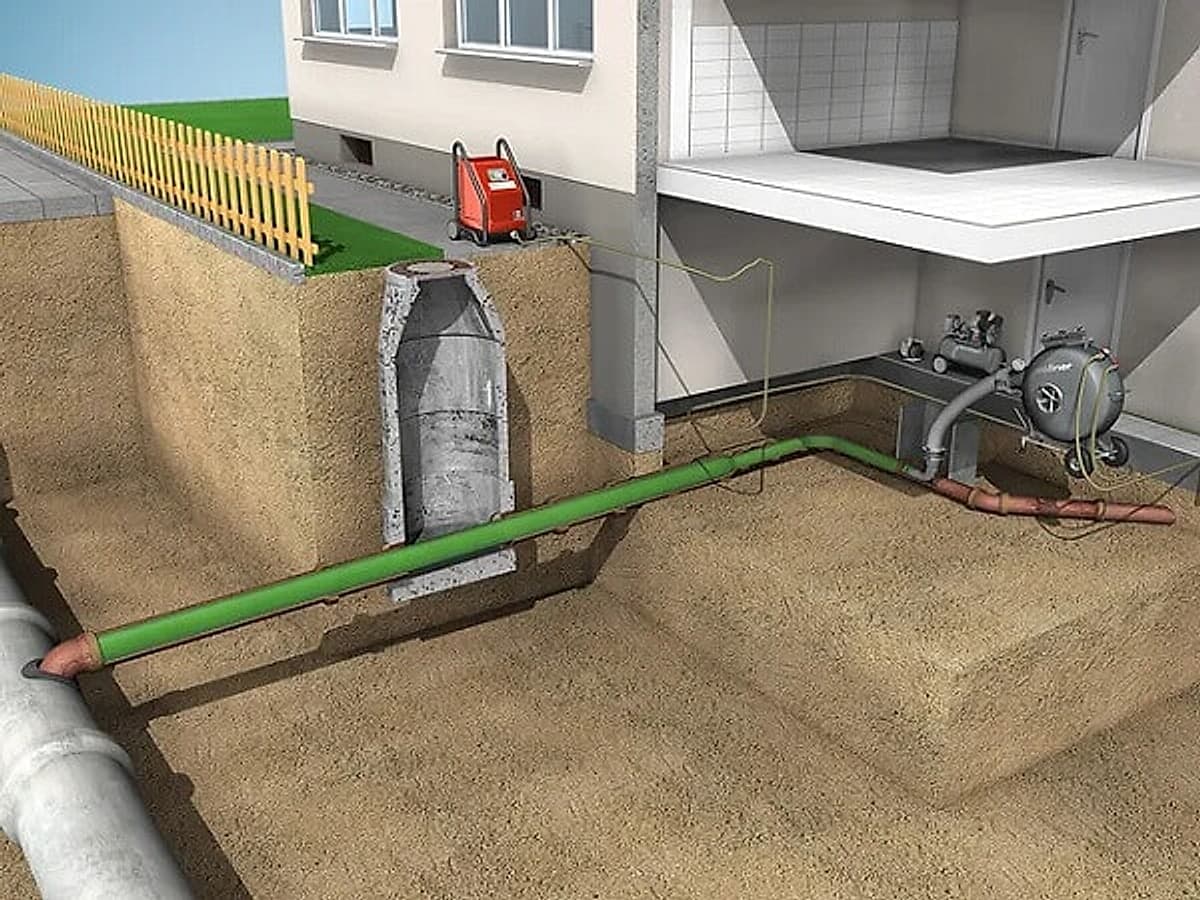
- The tube was inverted (turned inside-out) into the damaged pipe using water or air pressure
- Heat or ambient temperature cured the resin, creating a new pipe within the old one
- No excavation was required—the entire process happened from inside the existing pipe
The first installations were experimental, using polyester felt tubes and polyester resin. These early liners were thinner and less refined than today's systems, but they proved the concept: you could create a structural pipe inside an existing damaged pipe without digging.
Early Challenges and Skepticism
The pipe relining concept faced significant skepticism:
- Unknown Longevity: Would resin liners really last decades?
- Structural Concerns: Could a liner support soil loads and traffic?
- Chemical Resistance: How would resins handle sewage chemicals?
- Installation Reliability: Could the process be standardized and repeated consistently?
- Industry Resistance: Traditional excavation contractors opposed the technology
Despite skepticism, municipalities desperate for cost-effective solutions began adopting the technology. Early installations in London, Manchester, and other UK cities provided the testing ground that would validate the concept.
The 1980s: Refinement and Global Expansion
The 1980s saw pipe relining evolve from experimental technology to established practice.
Material Improvements
- Epoxy Resins: Superior to polyester for pipe applications—better chemical resistance, higher strength
- Fiberglass-Reinforced Liners: Added structural strength
- UV-Resistant Formulations: Enabled ambient curing
- Thicker Liners: Increased structural capacity for larger diameter pipes
Process Innovations
- Hot Water Curing: Accelerated curing from days to hours
- Steam Curing: Even faster than hot water with better temperature control
- Pull-Through Methods: Alternative installation for specific situations
- Improved Inversion Equipment: More reliable, consistent installations
Geographic Expansion
Pipe relining spread globally throughout the 1980s:
- United States: Major cities adopted CIPP for aging infrastructure
- Germany: Became a center for pipe relining innovation
- Japan: Embraced trenchless technology for earthquake-prone regions
- Australia: Pipe relining arrived, initially in major eastern cities
- Canada and Europe: Widespread adoption across developed nations
The 1990s: Standardization and Validation
By the 1990s, pipe relining had proven itself through 20+ years of real-world performance.
Industry Standards Emerge
- ASTM Standards: American Society for Testing and Materials published specifications for CIPP liner materials and installation
- ISO Standards: International standards ensured global consistency
- Engineering Guidelines: Design manuals provided calculation methods for liner thickness and structural capacity
- Quality Assurance: Testing protocols verified installation quality
Long-Term Performance Data
Crucially, pipes relined in the 1970s and early 1980s remained in excellent condition:
- Excavation of early installations for study showed minimal degradation after 15-20 years
- CCTV inspections confirmed liners maintained structural integrity
- No significant failures of properly installed liners
- Evidence supported 50+ year service life projections
This performance data transformed pipe relining from "alternative method" to "preferred method" for appropriate applications.
Technology Diversification
Different pipe relining approaches emerged for specific applications:
- Short Patches: Targeted repair of specific damaged sections
- Large Diameter Liners: Technology adapted for 600mm+ pipes
- Pressure Pipe Lining: Methods for water mains under pressure
- Lateral Lining: Techniques for smaller branch connections
The 2000s: Digital Revolution and Precision
The turn of the millennium brought digital technology to pipe relining, dramatically improving precision and quality control.
CCTV Inspection Advances
- High-Definition Cameras: Crystal-clear pipe interior visualization
- Sonar Integration: Measuring pipe deformation and external conditions
- 3D Profiling: Precise mapping of pipe geometry
- Laser Measurement: Accurate diameter and distance measurements
- Digital Recording: Easy storage, analysis, and sharing of inspection data
Robotic Systems
- Robotic Cutters: Precision junction reinstatement
- Inspection Crawlers: Navigate long, complex pipe systems
- Cleaning Robots: Automated pipe preparation
- Remote Control: Operators guide equipment with precision
Material Science Advances
- High-Performance Resins: Faster curing, higher strength, better chemical resistance
- Specialized Formulations: Resins optimized for specific applications (hot water pipes, chemical exposure, etc.)
- Improved Liner Fabrics: Better resin absorption and structural properties
- Environmentally Friendly Options: Lower VOC emissions, safer handling
UV Curing Technology
UV light curing emerged as a game-changing advancement:
- Curing times reduced from hours to minutes
- More precise control over curing process
- Less energy consumption
- Suitable for ambient temperature applications
- No hot water or steam equipment needed
The 2010s: Mainstream Adoption and Specialization
By 2010, pipe relining had transitioned from specialized technology to mainstream practice.
Market Growth
- Global pipe relining market exceeded $5 billion annually
- Thousands of specialized contractors worldwide
- Major equipment manufacturers established
- Training programs and certifications standardized
- Integration with standard plumbing and infrastructure maintenance
Residential Market Emergence
While commercial and municipal work dominated early adoption, residential pipe relining grew significantly:
- Homeowners learned about trenchless repair options
- Competitive pricing made it accessible for residential properties
- Marketing educated consumers on benefits vs. traditional replacement
- Word-of-mouth from satisfied homeowners drove adoption
Specialized Applications
Pipe relining adapted to increasingly complex scenarios:
- Trenchless Point Repairs: Fixing specific damage points without full-length liners
- Mainline and Lateral Lining: Integrated solutions for entire systems
- Structural vs. Non-Structural: Different approaches based on engineering requirements
- Hot Water Service Lines: Materials capable of handling hot water temperatures
- Industrial Applications: Chemical-resistant liners for manufacturing facilities
Today: The Modern Era of Pipe Relining (2020s)
Current pipe relining technology represents the refinement of 50 years of development.
Current Best Practices
- Comprehensive CCTV pre-inspection is standard
- High-pressure water jetting ensures thorough preparation
- Premium epoxy resins deliver 50+ year lifespan
- Multiple curing methods (hot water, steam, UV, ambient) suit different situations
- Robotic junction reinstatement ensures precision
- Final CCTV verification documents quality
- 50-year warranties reflect confidence in longevity
Sydney's Pipe Relining Market
Sydney has become one of Australia's most active pipe relining markets:
- Aging Infrastructure: Many Sydney suburbs have 60-100 year old pipes requiring repair
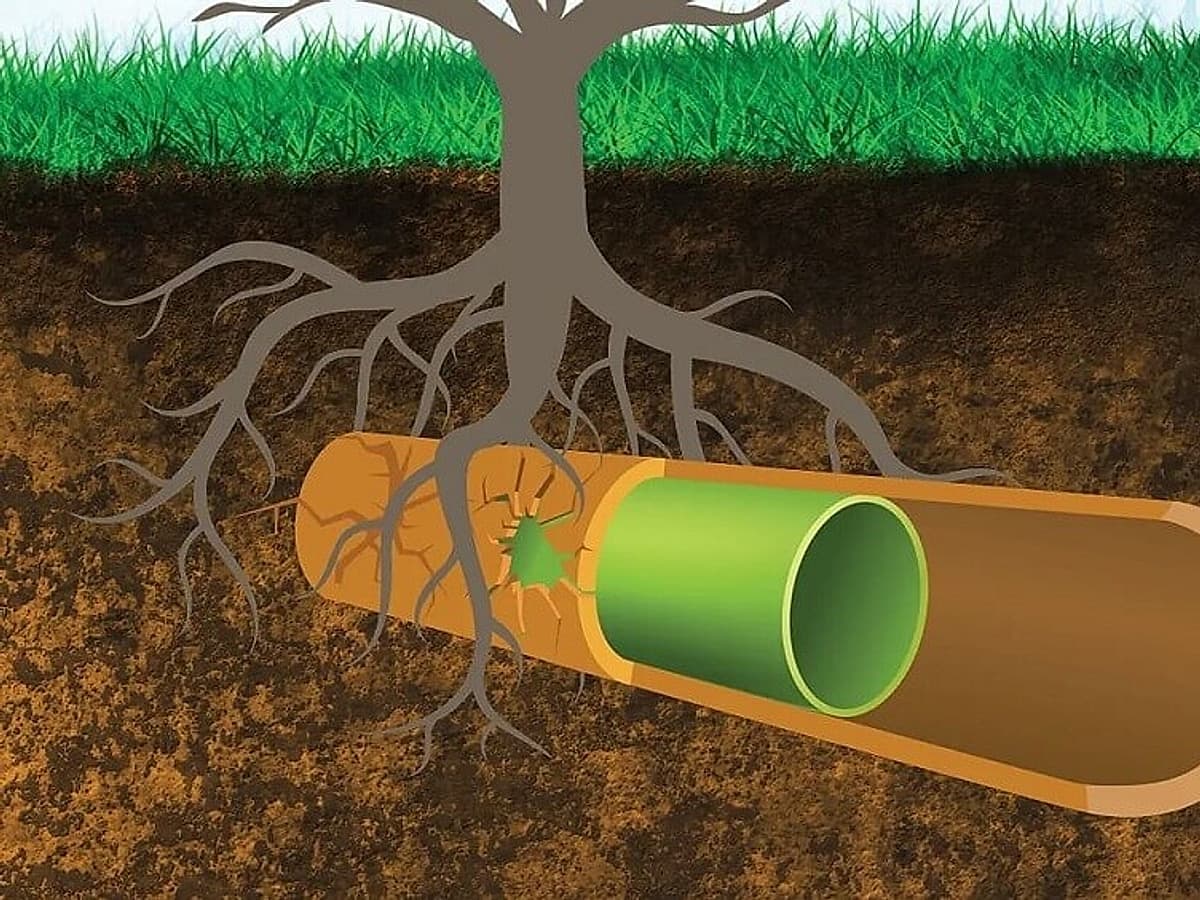
- Tree-Lined Suburbs: Established vegetation creates root intrusion problems
- Property Values: Expensive properties justify investing in proper repairs
- Dense Development: Excavation often impossible or prohibitively expensive
- Awareness: Sydney property owners are well-educated about pipe relining benefits
COVID-19 Impact
Interestingly, the pandemic accelerated pipe relining adoption:
- Homeowners invested in property improvements during lockdowns
- Remote work made daytime service appointments easier
- Awareness of home infrastructure increased
- Minimal-contact service appealed during health concerns
- Property maintenance backlog created surge in demand
The Future: Innovation on the Horizon
Pipe relining continues to evolve. Several exciting innovations promise to make the technology even more effective, efficient, and accessible.
Advanced Materials
Nano-Enhanced Resins
- Nanotechnology enhances resin properties
- Higher strength-to-weight ratios
- Improved chemical resistance
- Self-healing properties (micro-cracks repair automatically)
- Longer service life projections (70-100+ years)
Bio-Based Resins
- Plant-based alternatives to petroleum-derived resins
- Lower environmental impact
- Reduced VOC emissions
- Comparable performance to traditional resins
- Meeting sustainability targets
Smart Liners
- Embedded sensors monitor pipe conditions
- Detect stress, deformation, or developing problems
- Wireless data transmission for remote monitoring
- Predictive maintenance capabilities
- Integration with smart infrastructure systems
Installation Technology
Artificial Intelligence and Machine Learning
- AI-Powered Inspection: Automated analysis of CCTV footage identifies damage types and severity
- Predictive Analytics: Algorithms predict optimal liner specifications
- Installation Optimization: AI recommends best installation method for specific situations
- Quality Control: Machine learning detects installation defects automatically
- Failure Prediction: Analysis of pipe condition predicts failure timelines
Autonomous Robotics
- Self-navigating inspection robots
- Automated liner installation systems
- Robotic junction cutting without human guidance
- Continuous improvement through machine learning
- 24/7 operation capabilities
Augmented Reality (AR)
- AR headsets overlay pipe data during installation
- Visualize pipes underground without excavation
- Remote expert assistance via AR collaboration
- Training simulations for new technicians
- Precision guidance for complex installations
Environmental Sustainability
Circular Economy Integration
- Liner materials incorporating recycled content
- End-of-life recycling programs for removed equipment
- Carbon footprint tracking and reduction
- Water recycling in cleaning processes
- Renewable energy for curing equipment
Green Certifications
- ISO environmental management standards
- Carbon-neutral installation services
- Sustainability reporting for municipal contracts
- Environmental product declarations (EPDs) for liners
- Integration with green building standards
Specialized Applications
Extreme Condition Liners
- High Temperature: Liners for industrial hot water (100°C+)
- Aggressive Chemicals: Enhanced resistance for industrial waste
- High Pressure: Liners for water mains under significant pressure
- Seismic Zones: Flexible liners that accommodate ground movement
- Arctic/Tropical: Temperature-resistant formulations for extreme climates
Micro-Diameter Relining
- Technology adapted for very small pipes (25-50mm)
- Applications in multi-unit buildings
- Hot and cold water service lines
- Specialized equipment for confined spaces
- Opens entire new market segments
Digital Integration
Internet of Things (IoT)
- Relined pipes become part of smart infrastructure
- Real-time monitoring of flow, pressure, temperature
- Early warning systems for developing issues
- Data analytics identify system-wide patterns
- Integration with property management systems
Blockchain for Infrastructure Records
- Immutable records of pipe repairs and maintenance
- Verifiable warranty information
- Property transfer documentation
- Compliance verification for regulations
- Historical data for future planning
Drone Integration
- Drones map pipe locations using ground-penetrating radar
- Aerial surveys identify problem areas (sinkholes, wet spots)
- Thermal imaging detects leaks
- Documentation of installation sites
- Progress tracking for large projects
Regulatory and Market Trends
Stricter Standards
- Enhanced quality requirements for materials and installation
- Mandatory certifications for technicians
- Regular third-party auditing
- Performance guarantees and longer warranties
- Standardized testing protocols
Insurance and Financing Evolution
- Insurance products specifically for pipe relining
- Better financing options for property owners
- Government incentives for trenchless technology
- Tax advantages for sustainable infrastructure upgrades
- Energy-efficiency rebates for water conservation
Challenges Ahead
Despite optimistic projections, pipe relining faces several challenges:
Skills and Training
- Need for qualified technicians exceeds supply
- Training programs must keep pace with technology
- Aging workforce requires succession planning
- Attracting young people to the trades
- Balancing automation with skilled human expertise
Material Costs
- Advanced resins and liners remain expensive
- Supply chain disruptions affect availability
- Raw material costs subject to market fluctuations
- Balancing quality with affordability
- Competition from traditional replacement methods
Consumer Education
- Many property owners still unaware of pipe relining
- Misconceptions about cost and effectiveness persist
- Traditional excavation contractors resist change
- Need for ongoing public education
- Building trust in relatively new technology
Long-Term Vision: 2030 and Beyond
Looking 5-10 years ahead, pipe relining will likely:
- Become the Default: Pipe relining will be the first choice for pipe repair, with excavation reserved for exceptional circumstances
- Prevent Failures: Predictive monitoring identifies pipes needing relining before they fail
- Full Automation: Robotic systems handle routine installations with minimal human intervention
- Perfect Longevity Data: 50-year installations from the 1970s prove century-long service life
- Smart Infrastructure Integration: Relined pipes are nodes in intelligent infrastructure networks
- Environmental Standard: Trenchless repair required for sustainability certifications
- Global Coverage: Technology available even in developing regions
Lessons from History: Why Pipe Relining Succeeded
Reflecting on 50+ years of development, several factors explain pipe relining's success:
- Solved Real Problems: Addressed genuine infrastructure challenges that traditional methods couldn't
- Continuous Improvement: Technology refined based on real-world experience
- Proven Performance: Decades of installations demonstrate reliability
- Economic Advantages: Lower total costs compared to excavation
- Environmental Benefits: Aligned with growing sustainability awareness
- Embraced Innovation: Incorporated new technologies as they emerged
- Standardization: Industry standards ensured consistent quality
- Flexibility: Adapted to diverse applications and conditions
The Bottom Line: A Technology That Changed Infrastructure
From Eric Wood's 1971 innovation to today's sophisticated systems, pipe relining has fundamentally changed how we maintain water and wastewater infrastructure. What began as an experimental alternative to excavation has become the preferred method for pipe repair worldwide.
The technology's 50-year history proves its longevity and reliability. The innovations on the horizon promise even better performance, efficiency, and sustainability. For property owners dealing with damaged pipes, this history provides confidence: pipe relining isn't a temporary trend—it's a proven technology with a bright future.
At P24 Pipe Relining Sydney, we're proud to be part of this ongoing evolution. We use the latest proven technologies while staying informed about emerging innovations. Our commitment to quality, training, and customer service ensures you benefit from five decades of pipe relining advancement.
Whether you're dealing with immediate pipe problems or planning preventive maintenance, understanding pipe relining's remarkable journey from innovation to indispensability helps you appreciate why it's the right choice for your property. Contact us today to experience the latest in pipe relining technology—and benefit from 50 years of proven performance.