In an era of climate consciousness and environmental responsibility, the pipe repair method you choose has significant ecological implications. Pipe relining is not just better for your property—it is dramatically better for the environment, reducing carbon emissions by up to 75%, eliminating landfill waste, and preserving natural habitats. Understanding these environmental benefits reveals why pipe relining is the sustainable choice for responsible property owners.
The Environmental Cost of Traditional Pipe Replacement
Before examining pipe relining's environmental advantages, we must understand the ecological toll of traditional dig-and-replace methods.
Excavation's Carbon Footprint
Traditional pipe replacement is carbon-intensive at every stage:
- Heavy Machinery: Excavators, backhoes, and trucks burn diesel fuel for hours or days
- Material Transportation: Hauling old pipes to landfills and new pipes to sites
- Concrete Production: Manufacturing and pouring concrete for restoration creates massive CO2 emissions
- Multiple Trips: Materials, equipment, and workers make repeated journeys to the site
- Extended Duration: Week-long projects multiply energy consumption
Studies estimate traditional pipe replacement generates 2-3 tonnes of CO2 emissions for a typical residential repair—equivalent to driving a car 10,000-15,000 kilometers.
Landfill Waste Generation
Every meter of pipe removed becomes waste:
- Clay, concrete, cast iron, or PVC pipes—hundreds of kilograms of material
- Broken concrete from driveways and paths
- Contaminated soil from excavation
- Damaged landscaping materials
- Packaging from new materials
For a typical 20-meter sewer line replacement, expect 500-1,000 kg of waste sent to landfill. Multiply this across thousands of properties and the environmental impact becomes staggering.
Soil and Habitat Destruction
Excavation devastates local ecosystems:
- Soil Structure: Decades or centuries of natural soil development destroyed
- Microorganism Communities: Billions of beneficial bacteria and fungi killed
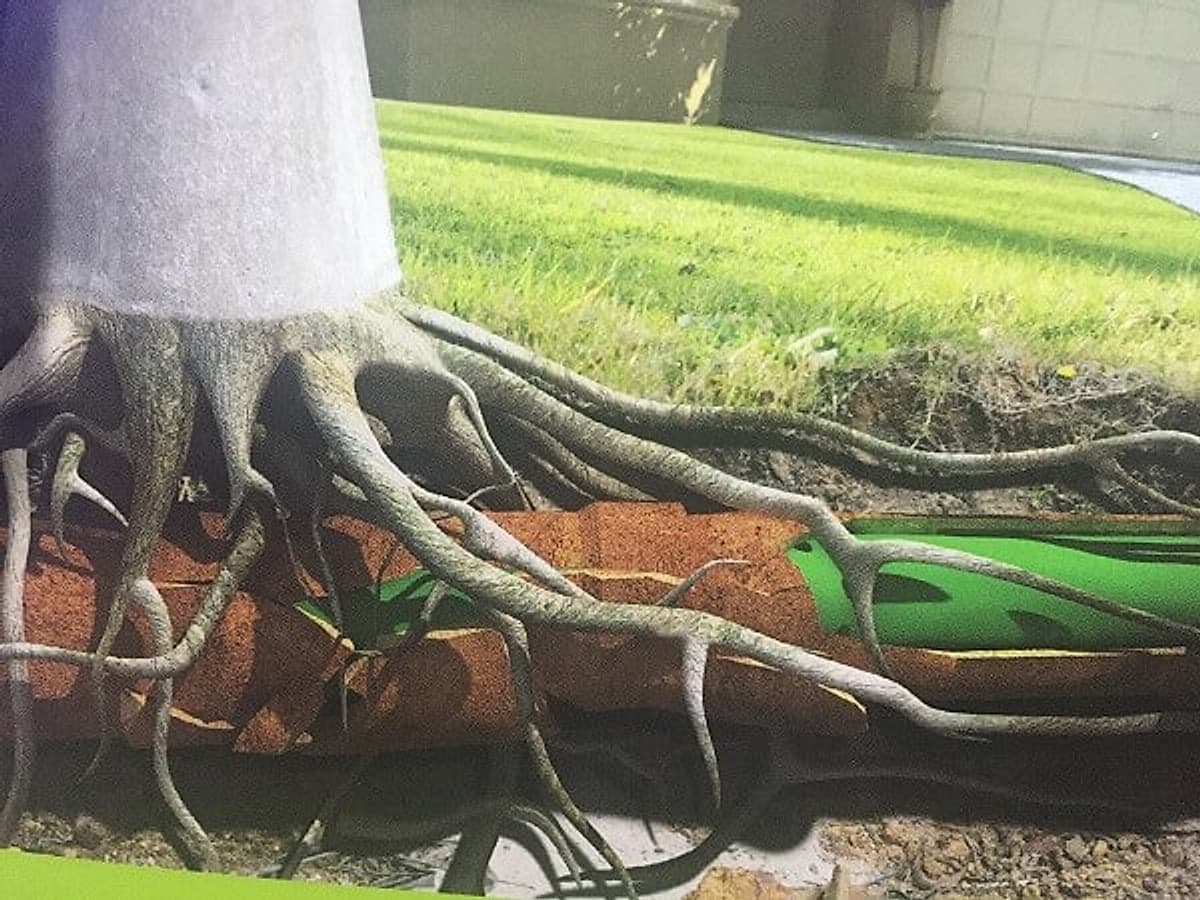
- Tree Roots: Major roots severed, potentially killing mature trees
- Wildlife Habitat: Insects, worms, and small mammals displaced or killed
- Native Plants: Established vegetation destroyed
Soil ecology can take years or decades to recover after major excavation. Some damage, like lost mature trees, is permanent.
Water and Air Pollution
- Dust: Excavation creates air quality problems
- Diesel Emissions: Heavy equipment pollutes local air
- Sediment Runoff: Disturbed soil washes into stormwater systems
- Chemical Contamination: Hydraulic fluids, fuel, and other chemicals can leak
Pipe Relining's Environmental Advantages: A Comprehensive Analysis
1. Dramatic Carbon Footprint Reduction (70-75% Lower Emissions)
Pipe relining generates a fraction of traditional replacement's carbon emissions:
Why Relining Has Lower Emissions
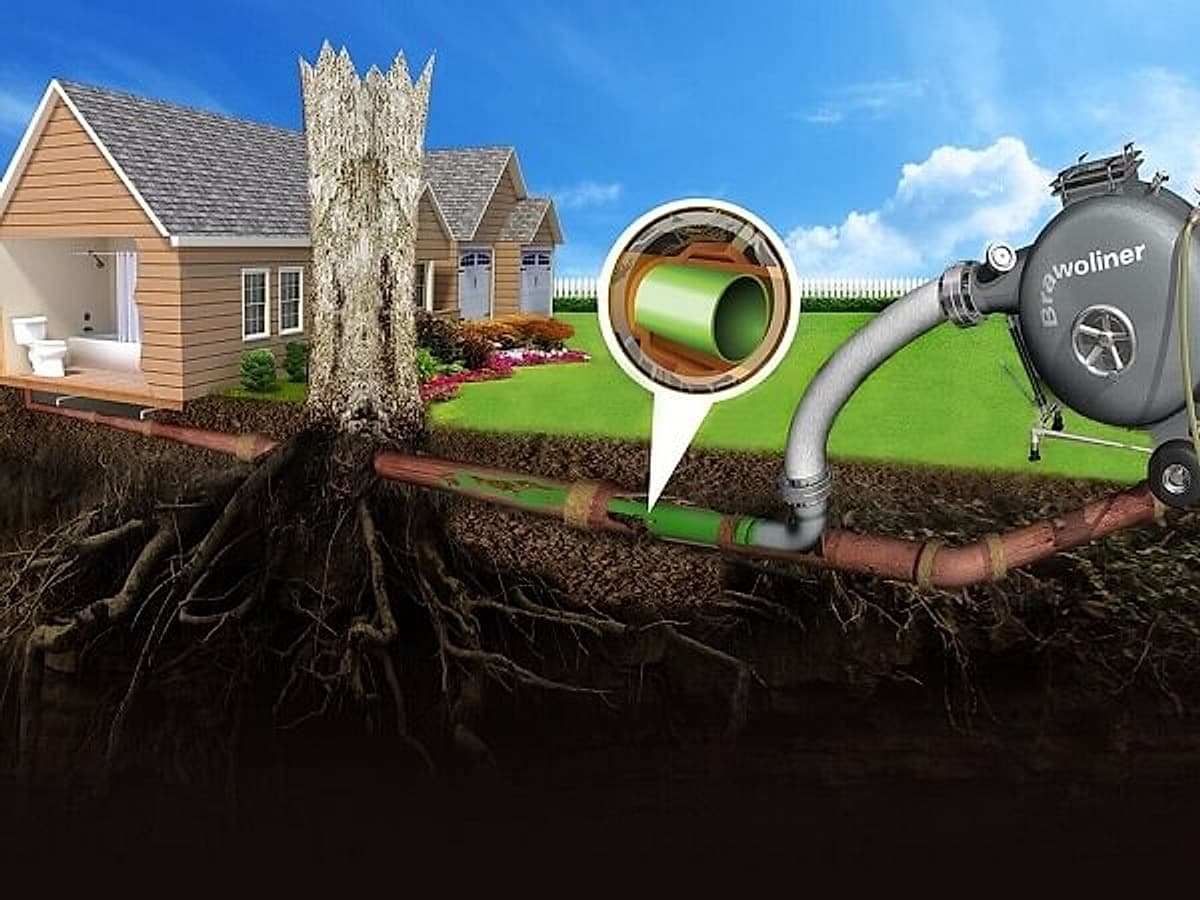
- No Heavy Machinery: Small service van instead of excavators and trucks
- Single Day Completion: Hours of work vs. weeks
- Minimal Transportation: One trip to site with all materials
- No Concrete Production: Avoids cement manufacturing's massive CO2 footprint
- Efficient Curing: Modern systems use energy efficiently
Carbon Emissions Comparison
For a typical 20-meter residential sewer line repair:
- Traditional Replacement: ~2,500 kg CO2 equivalent
- Pipe Relining: ~600 kg CO2 equivalent
- Reduction: 76% lower carbon footprint
Across Sydney's thousands of annual pipe repairs, choosing relining over excavation could prevent tens of thousands of tonnes of CO2 emissions—equivalent to taking thousands of cars off the road.
2. Zero Landfill Waste (100% Waste Elimination)
Pipe relining's most remarkable environmental benefit is eliminating virtually all waste:
Why No Waste is Generated
- Old Pipes Stay in Place: No pipe removal means no disposal
- No Concrete Breaking: Surfaces remain intact
- No Excavated Soil: Ground remains undisturbed
- Minimal Packaging: Liner materials arrive efficiently packaged
- Reusable Equipment: Installation tools used repeatedly
Waste Comparison
For the same 20-meter repair:
- Traditional Replacement: 500-1,000 kg to landfill
- Pipe Relining: < 5 kg (minor packaging only)
- Waste Reduction: 99%+ elimination
This aligns perfectly with circular economy principles: fixing what exists rather than discarding and replacing.
3. Complete Soil and Habitat Preservation
Because pipe relining requires no excavation, the natural environment remains completely undisturbed:
Soil Ecosystem Protection
- Microbial Communities: Billions of beneficial bacteria and fungi remain undisturbed
- Soil Structure: Decades of natural development preserved
- Nutrient Cycling: Natural processes continue uninterrupted
- Carbon Sequestration: Soil carbon storage maintained
- Water Filtration: Soil continues purifying water naturally
Tree and Plant Protection
- Mature trees retain all major roots
- Established gardens remain intact
- Native vegetation undisturbed
- Decades of growth preserved
- Ongoing carbon sequestration continues
A single mature tree can sequester 20-50 kg of CO2 annually. Preserving trees during pipe repair provides ongoing climate benefits for decades.
Wildlife Habitat Conservation
- Insects and invertebrates remain in their habitats
- Soil-dwelling organisms undisturbed
- Bird nesting sites in preserved trees
- Small mammal burrows and pathways intact
- Ecosystem connectivity maintained
4. Water Resource Conservation
Pipe relining contributes to water conservation in multiple ways:
Leak Elimination
- Seals All Leaks: Creates watertight barrier
- Prevents Water Loss: Damaged pipes can leak hundreds of liters daily
- Groundwater Protection: Stops sewage contaminating aquifers
- Long-Term Integrity: 50+ year lifespan prevents future leaks
Process Water Efficiency
The pipe relining process itself conserves water:
- Water jetting uses recycled water when possible
- No need for concrete washing (excavation cleanup uses significant water)
- Minimal site cleaning requirements
- Curing process recycles water in closed systems
5. Material Resource Efficiency
Extends Existing Infrastructure Lifespan
Rather than discarding functional infrastructure:
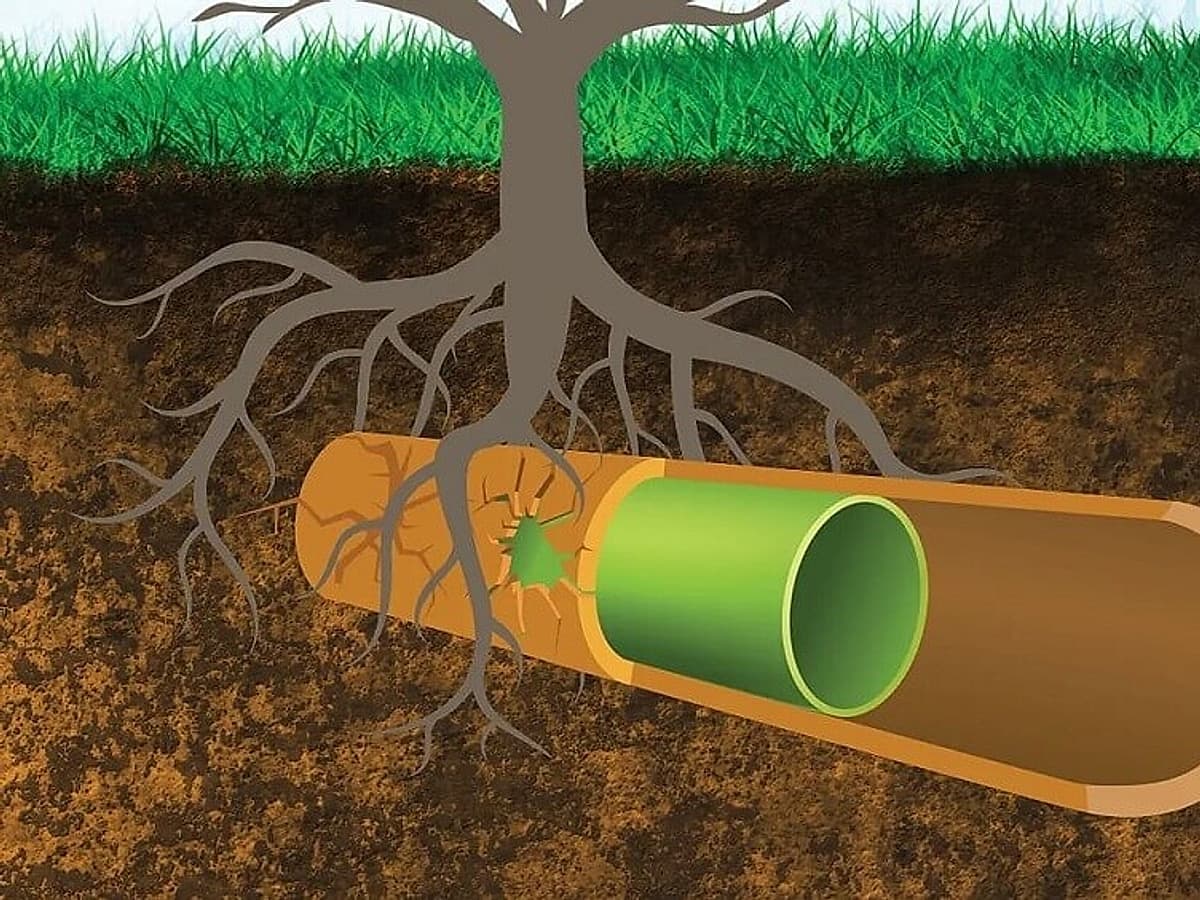
- Existing pipes become protective outer shells
- Decades of embedded energy preserved
- No new manufacturing required for host pipes
- Composite structure stronger than replacement alone
Efficient Use of New Materials
- Precision Manufacturing: Liners made exactly to specification—no waste
- High-Performance Materials: Advanced resins require less material for equivalent strength
- Long Service Life: 50+ years means rare replacement
- Minimal Packaging: Efficient delivery systems
Avoids Resource-Intensive Materials
Traditional replacement requires:
- PVC Pipes: Petroleum-based manufacturing
- Concrete: Cement production highly carbon-intensive
- Gravel and Aggregates: Mining and transportation impacts
- Metal Components: Energy-intensive extraction and processing
Pipe relining avoids all of this material production and its associated environmental costs.
6. Air Quality Benefits
Eliminates Excavation Dust
- No soil disturbance means no airborne particulates
- Protects respiratory health of residents and workers
- Prevents dust settling on neighboring properties
- No contribution to urban air pollution
Minimal Equipment Emissions
- Small service van vs. heavy diesel machinery
- Single trip vs. daily equipment movements
- Hours of operation vs. weeks
- Modern vehicles with emissions controls
7. Urban Heat Island Reduction
By preserving trees and vegetation:
- Shade Provision: Trees continue cooling properties and surroundings
- Evapotranspiration: Plants cool air through moisture release
- Carbon Sequestration: Ongoing CO2 absorption
- Air Quality: Trees filter pollutants and produce oxygen
In Sydney's increasingly hot summers, preserving mature trees provides tangible cooling benefits that excavation would eliminate.
Life Cycle Assessment: Comprehensive Environmental Analysis
Life Cycle Assessment (LCA) compares the total environmental impact of competing solutions from raw material extraction through end-of-life disposal.
Pipe Relining LCA
- Manufacturing: Resin and liner production (moderate impact)
- Transportation: Single delivery to site (minimal impact)
- Installation: One-day process with small equipment (low impact)
- Operation: 50+ years of zero-maintenance performance (zero impact)
- End of Life: Liner remains in place, no disposal needed (zero impact)
Traditional Replacement LCA
- Manufacturing: PVC pipes, concrete, aggregates (high impact)
- Transportation: Multiple deliveries and waste removal trips (high impact)
- Installation: Week-long excavation with heavy machinery (very high impact)
- Disposal: Hundreds of kilograms to landfill (moderate impact)
- Restoration: Concrete, landscaping materials (moderate-high impact)
- Operation: 50-75 years until next replacement (eventual repeat of impacts)
Total LCA Verdict
Comprehensive life cycle studies consistently show pipe relining has 60-80% lower total environmental impact than traditional replacement, considering all factors from raw materials through decades of service.
Pipe Relining Materials: Environmental Considerations
Current Resin Systems
Epoxy Resins
- Advantages: Extremely durable, long-lasting, requires minimal material
- Considerations: Petroleum-derived, though used in small quantities
- Overall Impact: Net positive due to excavation elimination
VOC Emissions
- Modern resins have low VOC (Volatile Organic Compound) formulations
- Curing occurs within contained pipes, minimizing atmospheric release
- Ongoing improvements reduce emissions further
- Total emissions far lower than diesel fumes from excavation equipment
Future Green Materials
The industry continues developing more sustainable materials:
- Bio-Based Resins: Plant-derived alternatives to petroleum resins
- Recycled Content: Liners incorporating recycled materials
- Zero-VOC Formulations: Completely emission-free curing
- Biodegradable Options: For temporary applications
Environmental Certifications and Standards
ISO 14001 Environmental Management
Leading pipe relining companies implement ISO 14001 certified environmental management systems that:
- Minimize environmental impacts
- Comply with regulations
- Achieve continual improvement
- Track and reduce carbon footprint
- Manage waste responsibly
Green Building Contributions
Pipe relining can contribute to green building certifications:
- LEED Points: Sustainable site development, water efficiency, materials
- Green Star: Australian green building rating system recognition
- NABERS: Energy and water efficiency improvements
- WELL Building Standard: Indoor air quality benefits
Case Study: Environmental Impact of Sydney-Wide Adoption
Consider the environmental benefits if all Sydney pipe repairs used relining instead of excavation:
Annual Sydney Pipe Repairs (Estimated)
- Residential repairs: ~5,000 annually
- Average length: 20 meters per repair
- Current relining adoption: ~40% (growing)
Environmental Impact if 100% Adopted Relining
- CO2 Reduction: 9,500 tonnes annually (equivalent to removing 4,000 cars)
- Landfill Waste Eliminated: 2,500 tonnes annually
- Mature Trees Saved: Hundreds annually
- Soil Preservation: 100,000+ cubic meters undisturbed
- Water Conservation: Millions of liters from eliminated leaks
These numbers demonstrate that individual property owner choices collectively create significant environmental impact.
Corporate Environmental Responsibility in Pipe Relining
P24's Environmental Commitments
At P24 Pipe Relining Sydney, we take environmental responsibility seriously:
- Low-Emission Vehicles: Modern, efficient service vehicles
- Premium Materials: Long-lasting resins that maximize service life
- Efficient Operations: Minimizing trips, waste, and energy use
- Continuous Improvement: Adopting greener technologies as they emerge
- Customer Education: Helping property owners understand environmental benefits
Making Environmentally Responsible Pipe Repair Decisions
Questions to Ask Your Pipe Repair Provider
- Do you offer trenchless pipe relining as your primary solution?
- What are the environmental certifications of your materials?
- How do you minimize environmental impact during installation?
- What is the expected lifespan of the repair?
- Do you use low-VOC or zero-VOC resins?
- What are your waste management practices?
Red Flags
- Companies that recommend excavation as the default solution
- Inability to explain environmental benefits
- No information about material certifications
- Dismissive attitude toward environmental concerns
The Bigger Picture: Infrastructure Sustainability
Pipe relining represents a broader shift toward sustainable infrastructure management:
- Repair vs. Replace: Extending existing infrastructure lifespan
- Minimally Invasive: Working with what exists rather than starting from scratch
- Long-Term Thinking: Solutions that last 50+ years reduce future impacts
- Technology-Driven: Innovation solves problems more sustainably
- Holistic Benefits: Environmental, economic, and social wins simultaneously
Your Choice Makes a Difference
When you choose pipe relining over traditional excavation, you're making a meaningful environmental choice:
- Preventing 1.5-2 tonnes of CO2 emissions
- Eliminating 500-1,000 kg of landfill waste
- Preserving mature trees and their ongoing carbon sequestration
- Protecting soil ecosystems that took decades to develop
- Conserving water through leak elimination
- Contributing to urban sustainability
These benefits multiply across thousands of property owners making similar choices. Collectively, we're building more sustainable cities through better infrastructure maintenance decisions.
The Bottom Line: Sustainability in Action
Pipe relining demonstrates that environmental responsibility and practical effectiveness can align perfectly. You do not have to sacrifice quality, durability, or convenience to make the sustainable choice—in fact, the sustainable option (pipe relining) is superior in virtually every practical measure as well.
As climate change and environmental degradation become increasingly urgent concerns, the cumulative impact of our individual choices matters more than ever. Choosing pipe relining over excavation is a concrete, measurable way to reduce your environmental footprint while solving your pipe problems effectively.
At P24 Pipe Relining Sydney, we're proud to provide a solution that benefits both our customers and the environment. Our trenchless technology delivers the permanent pipe repairs you need while protecting the natural systems we all depend on.
If you're dealing with damaged pipes and value environmental responsibility, contact us today. We'll show you exactly how pipe relining can solve your drainage problems while dramatically reducing environmental impact compared to traditional excavation. It's the smart choice for your property—and for our planet.