Pipe Relining Materials
Learn what pipe relining materials do, why the liner and resin system matter, and how material choice connects back to the pipe condition on CCTV.
Short answer
Pipe relining materials only make sense in context of the actual line, because CCTV, pipe condition, diameter, and bends all affect what can be installed and how the repair is planned.
P24 Pipe Relining Sydney
4 min read
Key Takeaways
- The line condition affects which material system suits the repair
- The liner and resin are only part of the result, preparation is the rest
- Material discussions are more useful after CCTV has confirmed the scope
Pipe relining materials only make sense when they are discussed against the actual line. In 2026, most owners do not need a chemistry lesson. They need to know what the liner and resin do, why the host pipe still matters, and how the material choice connects back to the footage and the repair scope.
That is why a materials discussion should always sit after inspection, not before it. The same liner conversation means something different on a short residential drain than it does on a larger shared line with more access and preparation demands.
What Pipe Relining Materials Usually Mean
Pipe relining materials usually refer to the liner itself and the resin system used to form the new internal pipe. Those materials have to suit the pipe diameter, the section length, the bends in the run, the access available, and the condition shown on CCTV.
The Liner Is The Core Material
The liner is the component that sits inside the existing host pipe and forms the new internal wall once cured.
The important point is not only what the liner is made from. It is whether it suits:
- the size of the pipe
- the length of the repair
- the bends or reinstatements involved
- the way the liner will be installed
This is why liner choice sits inside the repair plan rather than outside it.
The Resin System Matters Just As Much
The resin system is what allows the liner to set into the finished internal pipe.
When people ask about pipe relining materials, they are often really asking whether the finished result will be durable and fit for the job. That answer depends on the liner and resin working together under the right installation and curing conditions.
This is also why material discussions can become vague very quickly if the repair scope is still unclear. A "good material" still has to be matched to the actual pipe and the installation plan.
The Host Pipe Still Shapes The Material Decision
Material choice does not replace the need to understand the host pipe.
The existing line still affects:
- what diameter is being repaired
- whether the pipe can be prepared properly
- whether the section is suitable to line
- how much of the run should actually be included in the repair
That is one reason a CCTV drain inspection is so central to a material discussion. The footage tells you what the materials have to work with.
Preparation Comes Before The Materials Can Perform Properly
Pipe relining materials are only part of the outcome. Preparation is the rest.
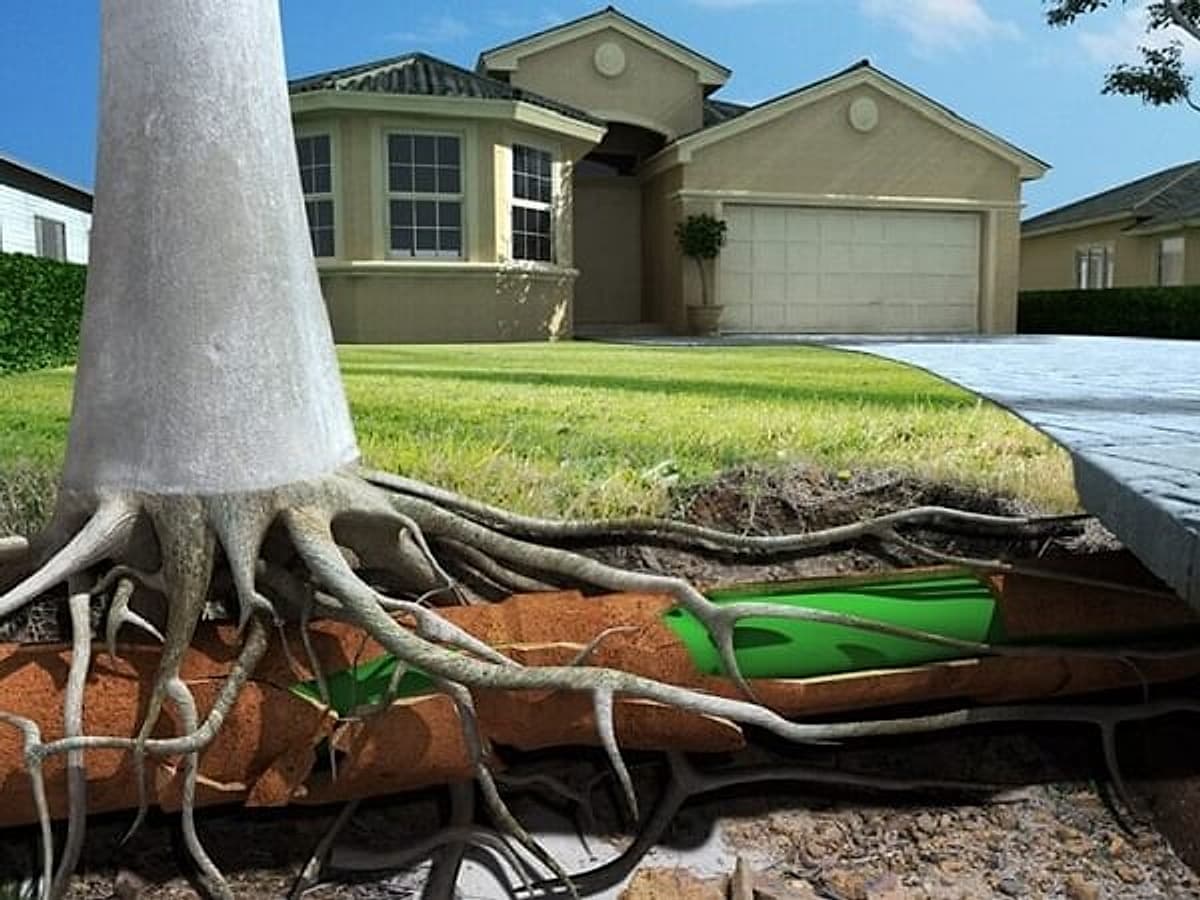
If the line still contains roots, grease, scale, or debris, the discussion should move back to cleaning and readiness first. The pipe has to be properly prepared before the liner stage can make sense.
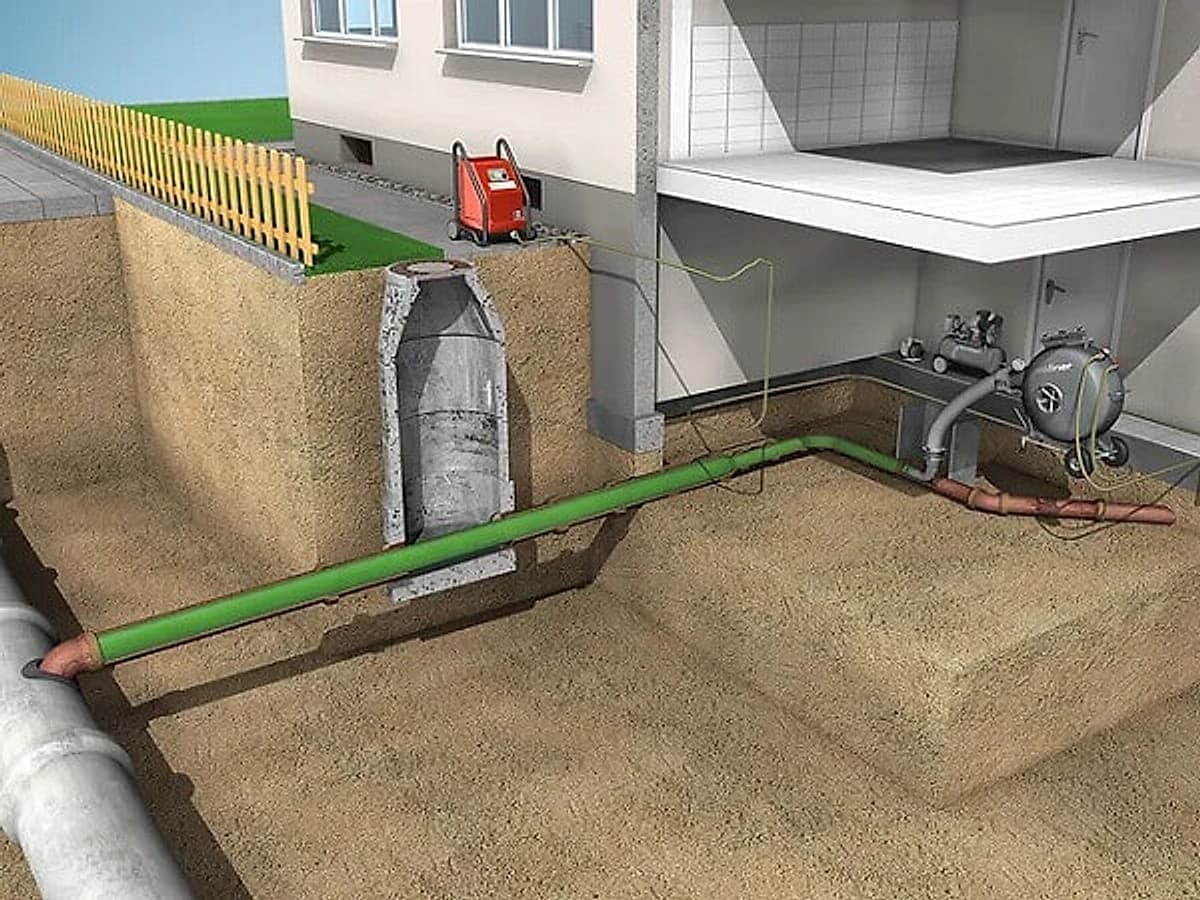
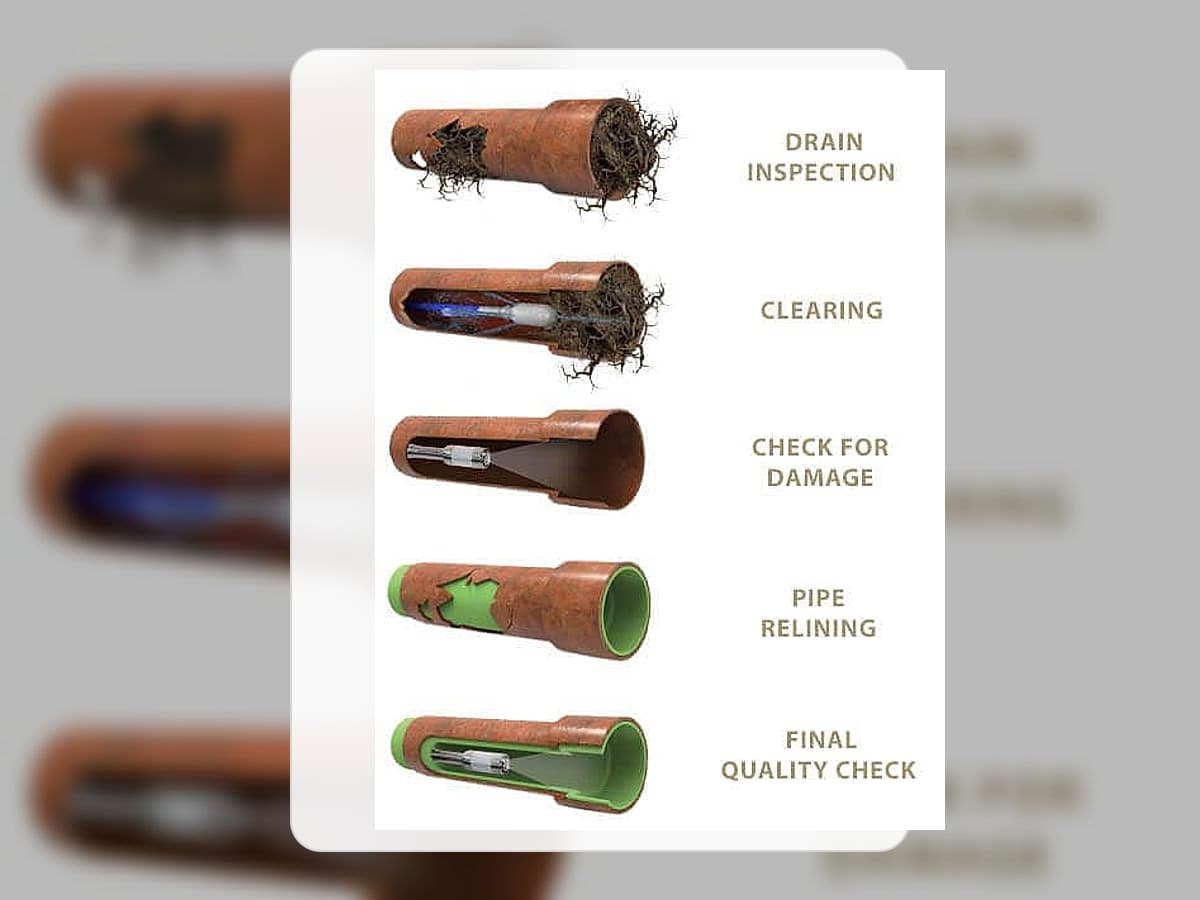
This is where the material conversation and the process conversation overlap. If you want the wider sequence, the pipe relining process guide explains how preparation sits alongside the liner and resin stages.
Why Owners Usually Ask About Materials
Most owners are really trying to answer one of four questions:
Will the finished pipe be durable?
That depends on the materials and the quality of the full repair process.
Does the material suit my type of line?
That depends on the CCTV findings and the approved scope.
Is the material discussion enough to compare providers?
Not by itself. The material still has to be installed properly against the actual pipe.
Does the material matter if the line is not suitable?
No. If the host pipe is not suitable to reline, the material choice becomes secondary.
Materials Are More Useful As A Scope Question Than A Sales Question
This is a good way to think about it.
Instead of asking only "what material is used?", ask:
- how was the line assessed?
- what repair section has been approved?
- why does this liner and resin system suit that section?
- what preparation was needed before lining?
- how is the finished result checked?
Those questions make the materials discussion much more grounded.
What To Ask In 2026
If you are reviewing a relining proposal, these are the most useful material-related questions:
- what did the camera show about the host pipe?
- what liner system suits this diameter and section length?
- what preparation is included before lining?
- how is the finished line verified?
If the answers stay generic, the materials discussion is probably still too far removed from the actual job.
The Bottom Line
Pipe relining materials matter, but only in the context of the actual line. The liner and resin system have to suit the host pipe, the repair length, the access, and the installation method that follows the CCTV findings.
That is why the strongest material discussion is always tied to the repair scope. Materials are important, but they only make sense when the line itself has already been understood.
Next step
Need help choosing the right next step?
Use the actual pipe condition, the access available, and the likely repair path to narrow the decision before more work is booked. The most relevant service after this guide is usually Pipe Relining Sydney.
Related services
Sydney coverage
Need a local pipe relining page after this guide?
Start with the Sydney locations hub if you want region and suburb guidance, then move into the area that matches the property.

P24 Pipe Relining Sydney
Sydney's Pipe Relining Specialists
Sydney pipe relining and drain repair specialists with more than 20 years of experience, German Brawoliner equipment, clear quotes, and a 25-year warranty on eligible relining work.